การทบทวนอนาคตของความเป็นอนุสาวรีย์ในสถาปัตยกรรม
DOI:
https://doi.org/10.60101/faraa.2026.280397คำสำคัญ:
สถาปัตยกรรม , อนุสาวรีย์ , ความเป็นอนุสาวรีย์บทคัดย่อ
แนวคิดเรื่องความเป็นอนุสาวรีย์ในสถาปัตยกรรมได้รับการอภิปรายอย่างกว้างขวางมาตั้งแต่ศตวรรษที่ 19 และ 20 โดยเฉพาะในความสัมพันธ์กับกระบวนการอุตสาหกรรม อำนาจทางการเมือง และความทรงจำร่วมของสังคม โดยทั่วไปแล้ว ความเป็นอนุสาวรีย์มักถูกเชื่อมโยงกับคุณลักษณะ เช่น ความยิ่งใหญ่ ความถาวร และการเป็นตัวแทนเชิงสัญลักษณ์ของอำนาจรัฐหรืออุดมคติร่วม งานทฤษฎีพื้นฐานของซิกฟรีด กีเดียน โจเซป ลูอิส เซิร์ท และแฟร์น็อง เลเชร์ ได้วางรากฐานในการทำความเข้าใจความเป็นอนุสาวรีย์ในฐานะภาวะสำคัญทางสถาปัตยกรรมที่สัมพันธ์กับจิตสำนึกทางประวัติศาสตร์และการแสดงออกทางวัฒนธรรม อย่างไรก็ตาม ในศตวรรษที่ 21 คุณลักษณะดั้งเดิมเหล่านี้กลับไม่เพียงพอในการอธิบายการทำงานของความเป็นอนุสาวรีย์ในบริบทที่เต็มไปด้วยความหลากหลายทางวัฒนธรรม ความเปลี่ยนแปลงอย่างรวดเร็ว และการเสื่อมถอยของอุดมการณ์แบบรวมศูนย์ งานวิชาการที่มีอยู่ยังไม่สามารถอธิบายในเชิงกรอบแนวคิดความเป็นอนุสาวรีย์ ที่มีความกำกวมในสถาปัตยกรรมร่วมสมัยได้อย่างเพียงพอ โดยเฉพาะในกรณีที่อาคารไม่ได้มีรูปแบบอนุสาวรีย์ตามขนบเดิม แต่ยังสามารถกระตุ้น “ภาวะของความเป็นอนุสาวรีย์” ได้
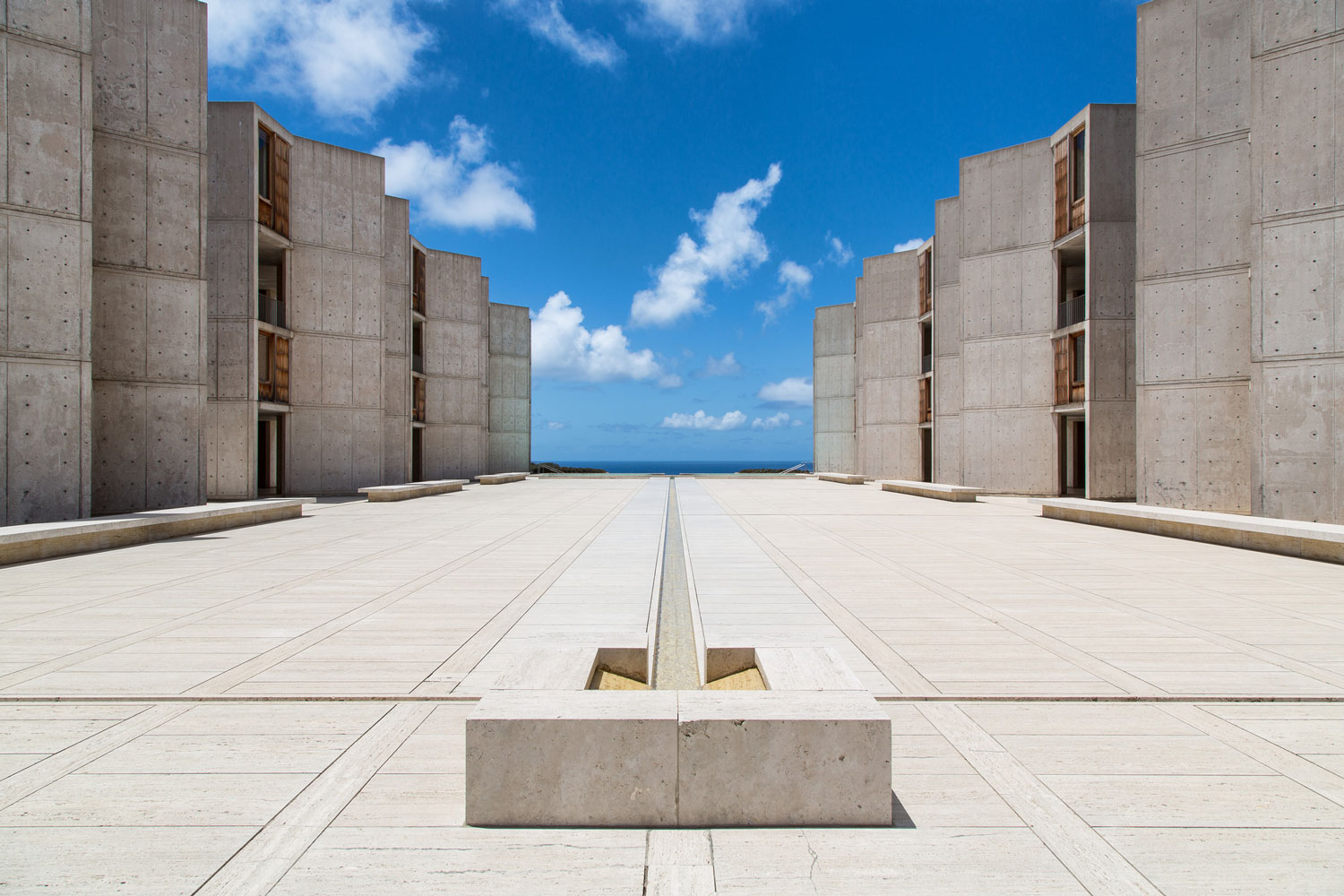
บทความนี้มุ่งศึกษาช่องว่างดังกล่าวผ่านการวิเคราะห์เชิงเปรียบเทียบแนวคิดและผลงานทางสถาปัตยกรรมของ หลุยส์ ไอ. คาน โรเบิร์ด เวนทูรี่ และ เรม โคลฮาส โดยใช้การพิจารณาทั้งมิติทางกายภาพ ความหมาย และมิติทางสังคมวัฒนธรรม เพื่อทำความเข้าใจการตีความและการแปรเปลี่ยนของความเป็นอนุสาวรีย์ในบริบทที่แตกต่างกัน
ผลการศึกษาชี้ให้เห็นว่า ความเป็นอนุสาวรีย์ไม่ควรถูกทำความเข้าใจในฐานะคุณลักษณะทางรูปแบบที่ตายตัว หากแต่เป็นภาวะเชิงบริบทที่มีพลวัต ซึ่งถูกกำหนดโดยคุณค่าทางวัฒนธรรม โครงสร้างทางสังคม และวิธีการรับรู้ของผู้คน การทบทวนความเป็นอนุสาวรีย์ในฐานะแนวคิดที่พัฒนาเปลี่ยนแปลงอยู่ตลอดเวลานี้ จึงมีส่วนช่วยเสนอกรอบแนวคิดเชิงทฤษฎีที่สามารถสนับสนุนการวิเคราะห์และการออกแบบสถาปัตยกรรมร่วมสมัยให้สามารถสื่อสารคุณค่าร่วมของสังคมได้อย่างมีความหมายในบริบทปัจจุบัน
เอกสารอ้างอิง
Brownlee, D. B., & De Long, D. G. (1991). Louis I. Kahn: In the realm of architecture. Rizzoli.
Curtis, W. J. R. (1996). Modern architecture since 1900 (3rd ed.). London, UK: Phaidon Press.
Detroit Publishing Company. (n.d.). Woolworth Building, Manhattan. Retrieved from https://www.loc.gov/resource/det.4a25616/
Freud, S. (1913). Totem and taboo: Resemblances between the psychic lives of savages and neurotics. Moffat, Yard and Co.
Giedion, S., Léger, F., & Sert, J. L. (1943). Nine Points on Monumentality. Architecture You and Me. Harvard University Press.
Gropius, W. (1935). The new architecture and the Bauhaus (P. Morton Shand, Trans.). Faber & Faber.
Halbwachs, M. (1992). On collective memory (L. A. Coser, Trans.). University of Chicago Press. (Original work published 1925)
Helena. (2017). Guild House, an icon of Postmodern Architecture. Retrieved from www.architecturalvisits.com. https://architecturalvisits.com/en/guild-house-venturi-postmodernism/
Jameson, F. (1991). Postmodernism, or, the cultural logic of late capitalism. Duke University Press.
Jencks, C. (2005). The iconic building: The power of enigma (pp. 34-45). Rizzoli.
Kahn, L. I. (1994). The essential Louis Kahn. Yale University Press.
Kohlstedt, K. (2016). Lessons from Sin City: The Architecture of “Ducks” Versus “Decorated Sheds”. Retrieved from www.99percentinvisible.org. https://99percentinvisible.org/article/lessons-sin-city-architecture-ducks-versus-decorated-sheds/
Koolhaas, R. (1978). Delirious New York: A retroactive manifesto for Manhattan. (pp. 99-100). The Monacelli Press.
Koolhaas, R., & Mau, B. (1995). S, M, L, XL. Monacelli Press.
Koolhaas, R. & Scheeren, O. (2012). CCTV Headquarters diagrams. Retrieved from www.buro-os.com. https://buro-os.com/projects/cctv.
Kubler, G. (1962). The shape of time: Remarks on the history of things. Yale University Press.
Leatherbarrow, D., & Mostafavi, M. (2002). Surface architecture. (pp. 78-90). MIT Press.
Lyotard, J.-F. (1984). The postmodern condition: A report on knowledge. Manchester University Press.
Maria, B. (1964). Vanna Venturi House. Retrieved from https://www.archdaily.com/62743/ad-classics-vanna-venturi-house-robert- venturi/5037e07f28ba0d599b00016c-ad-classics-vanna-venturi-house-robert-venturi-photo
McCarter, R. (2005). Louis I. Kahn. Phaidon Press.
Mumford, L. (1938). The culture of cities. The Death of Monument (p. 264). Harcourt, Brace and Company.
Mumford, L. (1961). The city in history: Its origins, its transformations, and its prospects. Harcourt, Brace & World.
Philippe Ruault. (n.d.). Seattle Public Library. Retrieved from https://www.re-thinkingthefuture.com/
Rampley, M. (2013). The Vienna school of art history: Empire and the politics of scholarship, 1847–1918. Pennsylvania State University Press.
Riegl, A. (1992). Problems of style: Foundations for a history of ornament (E. Kain, Trans.). Princeton. University. Press.
Riegl, A. (1985). The modern cult of monuments: Its character and origin (K. W. Forster & D. Ghirardo, Trans.). Oppositions, 25, 21–51. (Original work published 1903)
Ruskin, J. (1849). The seven lamps of architecture. Smith, Elder & Co.
Ruskin, J. (1851). The stones of Venice. Smith, Elder & Co.
Rossi, A. (1984). Architecture of The City. (p. 127). MIT Press.
Salk Institute for Biological Studies (n.d.). Salk Institute courtyard. Retrieved from https://www.salk.edu/wp-content/uploads/2018/01/salk-institute-courtyard.jpg
Sharif, A. (2015). Monumentality in modern architecture. (pp. 276-298). Architectural Theory Review, 20(3).
Souza, E. (n.d.). AD Classics: National Assembly Building of Bangladesh / Louis Kahn. Retrieved from https://www.archdaily.com/83071/ad-classics-national-assembly-building-of-bangladesh-louis-kahn
Tumblr. (n.d.). The Travel Sketches of Louis L. Kahn. Retrieved from https://www.tumblr.com/the-drawing-center/148457473262/the-travel-sketches-of-louis-l-kahn
Venturi, R. (1966). Complexity and contradiction in architecture. The Museum of Modern Art.
Venturi, R. (1972). Learning from Las Vegas. (pp. 87-163). MIT Press.
Wiseman, C. (2007). Louis Kahn: Beyond time and style: A life in architecture. W. W. Norton & Company.
ดาวน์โหลด
เผยแพร่แล้ว
รูปแบบการอ้างอิง
ฉบับ
ประเภทบทความ
สัญญาอนุญาต
ลิขสิทธิ์ (c) 2026 วารสารศิลปกรรมศาสตร์วิชาการ วิจัย และงานสร้างสรรค์

อนุญาตภายใต้เงื่อนไข Creative Commons Attribution-NonCommercial-NoDerivatives 4.0 International License.