แรงบันดาลใจภาพปริศนาธรรม : จากนามธรรมสู่รูปธรรมสะท้อนชีวิตสังคมร่วมสมัย
บทคัดย่อ
การวิจัยสร้างสรรค์ในหัวข้อ แรงบันดาลใจภาพปริศนาธรรม : จากนามธรรมสู่รูปธรรม สะท้อนชีวิตสังคมร่วมสมัย มีวัตถุประสงค์เพื่อศึกษาบริบทของผัสสะที่ปรากฏอยู่ในคำสอนของพุทธศาสนา อันเป็นเหตุทำให้เกิดการกระทำต่างๆในชีวิตของมนุษย์ ซึ่งมนุษย์ทุกคนต่างอยู่อาศัยร่วมกันจนกลายเป็นสังคมขนาดใหญ่ มีการรับรู้และติดต่อสื่อสารกันมากมายด้วยปริมาณของข้อมูลอันมหาศาล ทำให้เกิดค่านิยมที่หลากหลายขึ้นในสังคม นำพาให้มนุษย์ไปสู่การเกิดทั้งความทุกข์และความสุขในทุกขณะของชีวิต สัตว์ก็มีอวัยวะรับสัมผัสเช่นเดียวกับมนุษย์แต่มีความสามารถมากกว่าของมนุษย์ ซึ่งมีเพื่อการดำรงชีวิตและรักษาเผ่าพันธุ์ของตนไว้เท่านั้น ไม่ได้มีความต้องการที่ซับซ้อนและมากมายดังเช่นของมนุษย์ ผู้วิจัยจึงได้แรงบันดาลใจที่จะนำเสนอความเป็นไปในสังคมมนุษย์ที่ลุ่มหลงมัวเมาในการรับสัมผัสจากอวัยวะรับสัมผัสต่างๆโดยใช้อวัยวะและรูปร่างของสัตว์มาแทนค่าสื่อความหมายในการรับสัมผัสอันเป็นเหตุทำให้เกิดทั้ง ความโลภ ความโกรธ ความหลง โดยการศึกษาเก็บรวบรวมข้อมูลจากหนังสือ เอกสาร สื่อมีเดียต่างๆที่เกี่ยวข้องและวิเคราะห์ผลงานจิตรกรรมของศิลปินที่ใช้สัตว์มาสร้างสรรค์เป็นผลงาน นำองค์ความรู้ที่ได้จากข้อมูลทั้งหมดมาสร้างสรรค์เป็นผลงงานจิตรกรรมไทยแนวประเพณี เป็นผลงานทดลองจำนวน 2 ชุด และนำผลการศึกษาที่ได้จากผลงานชุดทดลองมาสร้างสรรค์เป็นผลงานชุดสรุป
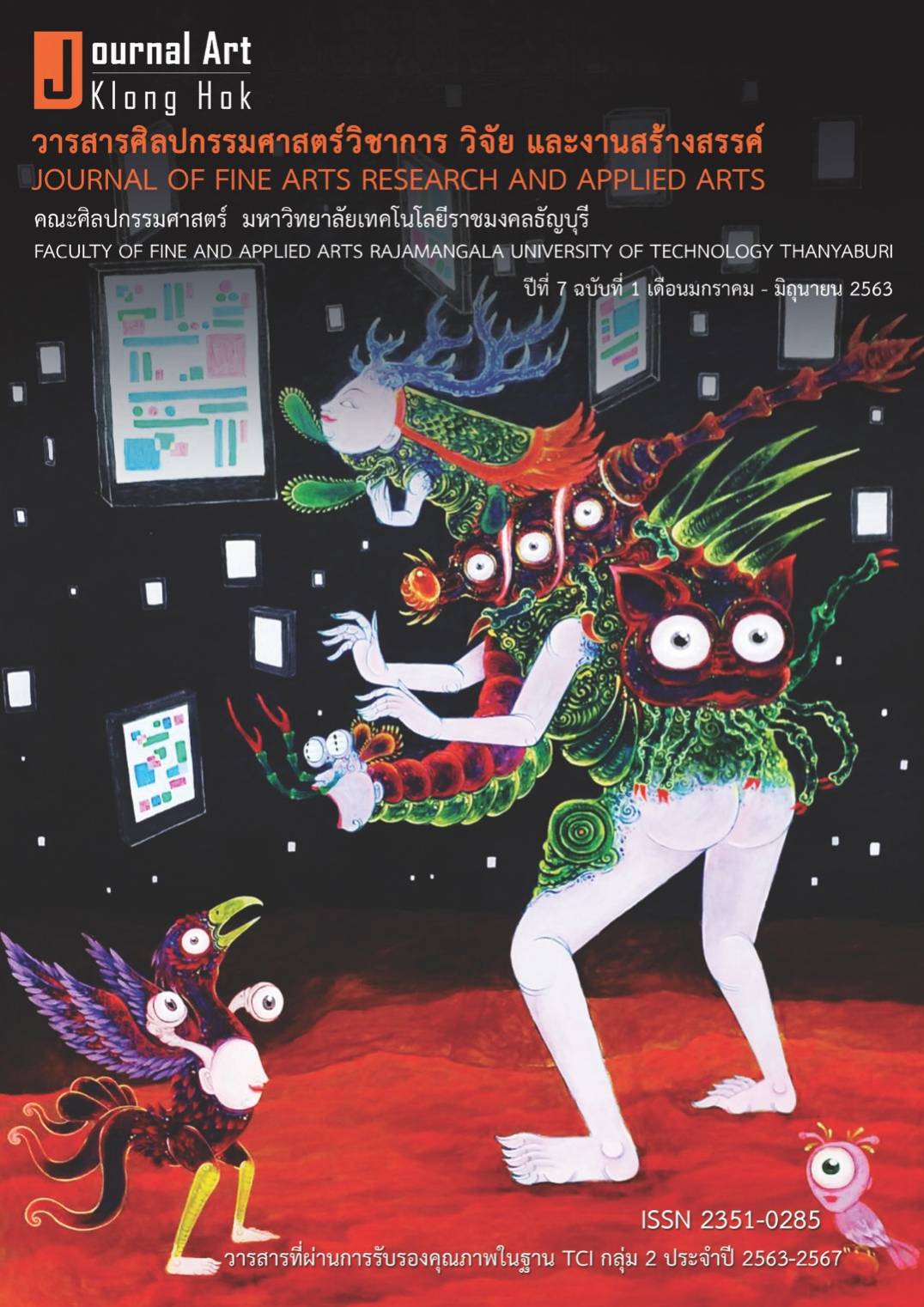
จากผลการวิจัยพบว่าสัตว์ในธรรมชาตินั้นมีมากมายหลายชนิดที่มีความสามารถด้านการรับรู้มากกว่าของมนุษย์ ตั้งแต่ตัวเล็กอย่างแมลงไปจนถึงสัตว์ใหญ่อย่างวาฬสีน้ำเงิน ด้วยรูปร่างของสัตว์แต่ละชนิดแตกต่างกันทั้งยังน่าสนใจ บางตัวมีสีสันสวยงาม บางตัวก็มีลักษณะน่ากลัว บ้างก็แปลกประหลาด ผู้วิจัยจึงนำมาเป็นแรงบันดาลใจในการสร้างเป็นผลงานจิตรกรรมไทยแนวประเพณีที่สะท้อนถึงความเป็นไปในสังคมไทย ทั้งความเชื่อ ค่านิยม ในแง่มุมต่างๆที่ผู้วิจัยได้รับรู้และสัมผัสในชีวิตประจำวันที่เป็นความรู้สึกซึ่งเป็นนามธรรมให้ออกมาเป็นรูปธรรมผ่านการสร้างสรรค์เป็นผลงานศิลปะ สรุปเป็นแนวความคิดในการสร้างสรรค์ผลงานจิตรกรรมไทยแนวประเพณี โดยการนำเอาคนและอวัยวะของสัตว์มาผสมผสานสร้างสรรค์เป็นรูปร่างของตัวความโลภ ความโกรธ ความหลง แสดงออกมาด้วยความน่าเกลียดน่ากลัว ที่สะท้อนถึงความเชื่อและค่านิยมในสมัยปัจจุบันที่ทำให้เกิดความลุ่มหลงมัวเมาที่ทำให้เราเกิดได้ทั้งความสุขและความทุกข์
เอกสารอ้างอิง
ชลูด นิ่มเสมอ. (2557). องค์ประกอบของศิลปะ. กรุงเทพฯ: อมรินทร์.
สุชาติ เถาทอง. (2553).การวิจัยสร้างสรรค์ทัศนศิลป์. ชลบุรี: มหาวิทยาลัยบูรพา.
สมพร ธุรี. (2556).การวิเคราะห์ทัศนศิลป์. กรุงเทพฯ: ทริปเพิ้ล กรุ๊ป จำกัด.
น ณ ปากน้ำ. (2550). ความงามในศิลปะไทย. กรุงเทพฯ: เมืองโบราณ.
กำจร สุนพงษ์ศรี. (2555). สุนทรียศาสตร์. กรุงเทพฯ: แอคทีฟ พริ้นท์ จำกัด.
สุวัฒน์ แสนขัติยรัตน์. (2550). กลวิธีเขียนภาพจิตรกรรมไทย. กรุงเทพฯ: วาดศิลป์.
พระธรรมโกศาจารย์. (2548). ผัสสะ สิ่งที่ต้องรู้จักและควบคุม. กรุงเทพฯ: มิตรนราการพิมพ์.
ชลเทพ ณ บางช้าง. (2550). สัตววิทยา. กรุงเทพฯ: สุวีริยาสาส์น.
บพิธ จารุพันธุ์, นันทพร จารุพันุ์. (2558). สัตววิทยา. กรุงเทพฯ: สำนักพิมพ์มหาวิทยาลัยเกษตรศาสตร์.
ยูวัล โนอาห์ แฮรารี. (2561). เซเปียนส์ประวัติย่อมนุษย์ชาติ. แปลโดย นำชัย ชีววิวรรธน์. กรุงเทพฯ: ยิปซี กรุ๊ป
พระธรรมปิฎก(ป.อ.ปยุตฺโต). (2546). พุทธรรม ฉบับเดิม. กรุงเทพฯ: โรงพิมพ์สหธรรมิก.
ณัฐภร อินทุยศ. (2556). จิตวิทยาทั่วไป. กรุงเทพฯ : สำนักพิมพ์แห่งจุฬาลงกรณ์มหาวิทยาลัย.
รัจรี นพเกตุ. (2540). จิตวิทยาการรับรู้. กรุงเทพฯ : ห้างหุ้นส่วนจำกัด สำนักพิมพ์ประกายพรึก.