
ผลของกิจกรรมฟื้นฟูคุณภาพชีวิตอดีตผู้ถูกควบคุมตัวด้วยกฎหมายพิเศษ ในพื้นที่จังหวัดชายแดนใต้
Article Sidebar
Main Article Content
บทคัดย่อ
DOI : 10.14456/pnuhuso.2026.6
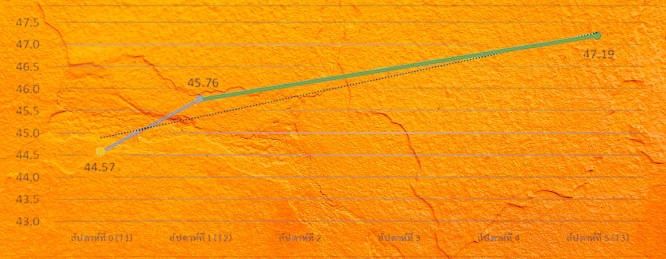
งานวิจัยนี้มีวัตถุประสงค์เพื่อศึกษาลักษณะกิจกรรมและผลของกิจกรรมการฟื้นฟูคุณภาพชีวิตอดีตผู้ถูกควบคุมตัวด้วยกฎหมายพิเศษในจังหวัดชายแดนภาคใต้ ดำเนินการทดลองใช้กิจกรรมกับอดีตผู้ถูกควบคุมตัวฯ จำนวน 21 คน ในระยะเวลา 5 สัปดาห์ เครื่องมือที่ใช้ในการวิจัย ประกอบด้วย แนวคำถามการสนทนากลุ่ม แบบสัมภาษณ์กึ่งโครงสร้าง และแบบประเมินความสุขของคนไทย ผลการวิจัยพบว่า ลักษณะกิจกรรมการฟื้นฟูคุณภาพชีวิต ประกอบด้วย 2 มิติ ได้แก่ มิติด้านการมุ่งเน้นเพิ่มภูมิคุ้มกันทางใจและมิติด้านการมุ่งสร้างการเรียนรู้ทางสังคม โดยแบ่งเป็น 2 ส่วนหลัก ได้แก่ กิจกรรมเสริมสร้างความเข้มแข็งด้านจิตใจ และกิจกรรมปรับความคิดเกี่ยวกับการอยู่ร่วมกันในชุมชนและการสร้างรายได้/อาชีพเพื่อการดำรงชีพ ผลการทดลองใช้กิจกรรม พบว่า ผู้เข้าร่วมมีปฏิสัมพันธ์ที่ดีขึ้นกับเพื่อนร่วมกิจกรรมและวิทยากร มีความคิดและมุมมองเชิงบวกต่อการใช้ชีวิตและสามารถรับมือกับปัญหาได้ดีขึ้น รวมถึงมีทัศนคติที่ดีต่อการสร้างรายได้แม้จะตระหนักว่าขาดความรู้และเงินทุน ผลการประเมินความสุขโดยใช้การวิเคราะห์ความแปรปรวนแบบวัดซ้ำ ชี้ให้เห็นว่า ระดับความสุขเพิ่มสูงขึ้นอย่างต่อเนื่องและมีนัยสำคัญทางสถิติ จากระดับเริ่มต้นที่เทียบเท่าคนทั่วไป (44.57) สู่ระดับที่สูงขึ้น (47.19) ผลการวิจัยนี้แสดงให้เห็นถึงประสิทธิผลของกิจกรรมในการส่งเสริมให้กลุ่มเป้าหมายสามารถกลับคืนสู่สังคมได้อย่างยั่งยืน
Article Details

อนุญาตภายใต้เงื่อนไข Creative Commons Attribution-NonCommercial-NoDerivatives 4.0 International License.
เอกสารอ้างอิง
จอมเดช ตรีเมฆ. (2566). ทฤษฎีอาชญาวิทยา. สำนักพิมพ์มหาวิทยาลัยรังสิต.
ฌานิกา ศรีวรรณวิทย์, วรรณดี สุทธินรากร, ภัทรวรรธน์ จีรพัฒนธนะร และสถิดาพร คำสด. (2564). กระบวนการทางอาชีพเพื่อเตรียมความพร้อมสู่การมีชีวิตที่ดีของผู้ต้องขังที่อยู่ในเรือนจำ และทัณฑสถาน
ภายหลังการพ้นโทษ. วารสารชุมชนวิจัย มหาวิทยาลัยราชภัฏนครราชสีมา, 16(2), 177-190.
สุภาค์พรรณ ตั้งตรงไพโรจน์ และนิธิศ ธรรมแสงอดิภา. (2567). บทสํารวจเบื้องต้นว่าด้วยกลุ่มเคลื่อนไหวทางการเมืองปาตานีกับการผลักดันนโยบายสาธารณะเพื่อแก้ปัญหาความไม่สงบใน 3 จังหวัดชายแดนภาคใต้. วารสารสถาบันพระปกเกล้า, 22(3), 7-26.
Ajzen, I., & Fishbein, M. (2021). The theory of planned behavior: A research guide. Oxford University Press.
Akers, R. L. (1995). Social learning and social structure: A general theory of crime and deviance. Northeastern University Press.
Ang, S. Y., Mat Saat, G. A., & Shittu, O. T. (2025). Prison-based psychological and social interventions to improve the well-being of women prisoners: A systematic review. Mental Health & Prevention, 37, 200405. https://doi.org/10.1016/j.mhp.2025.200405
Bandura, A. (2024a). Social learning theory (Revised ed.). Prentice Hall.
Bandura, A. (2024b). Social foundations of thought and action: A social cognitive theory (Revised ed.). Prentice Hall.
Becker, H. S. (1963). Outsiders: Studies in the sociology of deviance. Free Press.
Deakin, J., Fox, C., & Matos, R. (2022). Labelled as ‘risky’ in an era of control: How young people experience and respond to the stigma of criminalised identities. European Journal of Criminology, 19(4), 653–673. https://doi.org/10.1177/1477370820916728
Deep South Watch. (2025). Conflict incident database [Power BI area chart]. Deep South Watch Database. https://deepsouthwatch.org/th
Hidayati, N. O., Suryani, S., Rahayuwati, L., Fitrasanti, B. I., & Ahmad, C. a. (2023). A scoping review of correctional-based interventions for women prisoners with mental health problems. Social Sciences, 12(8), 452. https://doi.org/10.3390/socsci12080452
Hoeben, E. M., Osgood, D. W., Siennick, S. E., & Weerman, F. M. (2021). Hanging Out with the Wrong Crowd? The Role of Unstructured Socializing in Adolescents’ Specialization in Delinquency and Substance Use. Journal of Quantitative Criminology, 37(1), https://doi.org/10.1007/s10940-019-09447-4
Korn, R., & Lloyd W. M. K. (1961). Criminology and penology. Rinehart and Winston.
Luthans, F., Youssef, C. M., & Avolio, B. J. (2007). Psychological capital: Developing the human competitive edge. Oxford University Press.
McLennan, S., Meyer, L., & Wangmo, T., Gaab, J., Elger, B., & Seaward, H. (2025). Psychological stressors of imprisonment and coping of older incarcerated persons: A qualitative interview study. BMC Public Health, 25, 328. https://doi.org/10.1186/s12889-025-21452-w
Ruangying, J., Kunsuya, A., & Suwanwong, D. (2024). Psychological conditions, social coexistence and rehabilitation of ex-prisoners under Internal Security Act in the southern border provinces of Thailand. Humanities, Arts and Social Sciences Studies, 24(3), 753–767. https://doi.org/10.69598/hasss.24.3.265984
Southwick, S. M., Bonanno, G. A., Masten, A. S., Panter-Brick, C., & Yehuda, R. (2014). Resilience definitions, theory, and challenges: Interdisciplinary perspectives. European Journal of Psychotraumatology, 5, 25338. https://doi.org/10.3402/ejpt.v5.25338
Verbruggen, J., Blokland, A., Robinson, A. L., & Maxwell, C. D. (2020). The relationship between criminal behaviour over the life- course and intimate partner violence perpetration in later life. European Journal of Criminology, 17(6), 784-805. https://doi.org/10.1111/cym i.12502
Visher, C. A., & Courtney, S. M. (2021). One year out: Experiences of prisoners returning to communities. Urban Institute. https://www.urban.org/research/publication/one-year-out-experiences-prisoners-returning-communities
Western, B., Braga, A. A., Davis, J., & Sirois, C. (2015). Stress and hardship after prison. American Journal of Sociology, 120(5), 1512–1547. https://doi.org/10.1086/723042
