
ศึกษาวิเคราะห์หลักเกณฑ์การพรากชีวิตมนุษย์ในพระไตรปิฎก
Article Sidebar
Main Article Content
บทคัดย่อ
บทความวิจัยนี้มี วัตถุประสงค์ 3 ประการ คือ 1) เพื่อศึกษาหลักเกณฑ์การพรากชีวิตในพระไตรปิฎก 2) เพื่อวิเคราะห์การพรากชีวิตมนุษย์ในพระไตรปิฎก 3) เพื่อนำเสนอแนวทางการป้องกันการพรากชีวิตมนุษย์ในพระไตรปิฎก โดยผุ้วิจัยได้มุ่งเน้นที่การศึกษาพระวินัยเป้นหลัก ระเบียบวิธีการวิจัยเป็นการศึกษาเชิงคุณภาพ และเชิงเอกสาร โดยศึกษาค้นคว้าข้อมูลจากคัมภีร์พระไตรปิฎก อรรถกถา ตำราวิชาการทางพระพุทธศาสนา บทความ วารสาร และงานการวิจัยที่เกี่ยวข้อง
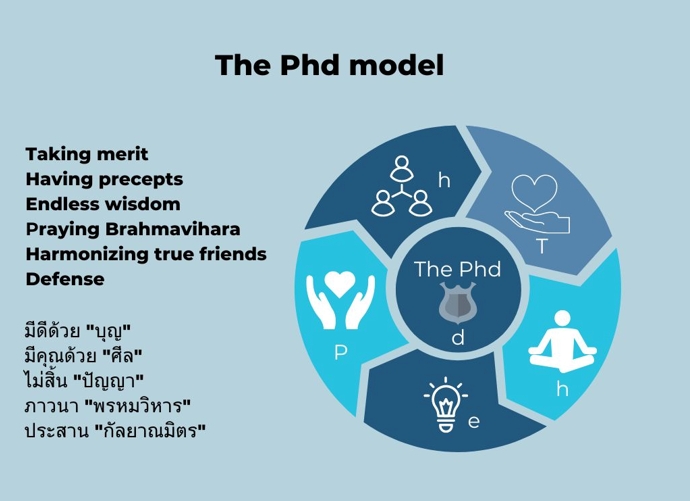
ผลการวิจัย พบว่า การพรากชีวิตในพระไตรปิฎกบ่งถึง ต้องมีความจงใจ ใช้กายหรือสิ่งที่เนื่องด้วยกายฆ่าเองหรือสั่งให้ฆ่า พรรณนาคุณแห่งความตาย อันเป็นเหตุให้มนุษย์ตาย ต้องอาบัติปาราชิก ขาดจากความเป็นภิกษุทันที ความพยายามในการกระทำการพรากชีวิตมนุษย์ มี 5 คือ (1) สาหัตถิกประโยค ความพยายามด้วยกายของตน (2) นิสสัคคิยประโยค ความพยายามด้วยอาวุธ (3) อาณัตติกประโยค ความพยายามด้วยการสั่งคนอื่น (4) ถาวรประโยค ความพยายามด้วยอุปกรณที่อยู่กับที่ (5) วิชชามยประโยค ความพยายามด้วยการร่ายมนต์ และ(6) อิทธิมยประโยค ความพยายามด้วยการประกอบฤทธิ์ ความพยายามทั้ง 6 ประการนี้ทำให้พระภิกษุผู้กระทำต้องอาบัติตามวัตถุ ตามสมควรแก่ความพยายาม และความสำเร็จในการพรากชีวิต แนวทางในการป้องกันการพรากชีวิตมนุษย์ในพระไตรปิฎก พบว่ามี 5 แนวทาง ได้แก่ 1) บุญกิริยาวัตถุ ประกอบบุญกุศล 2) แนวทางการป้องกันการพรากชีวิตมนุษย์ตามหลักปาริสุทธิศีล สำรวมระวังด้วยศีล 3) แนวทางการป้องกันการพรากชีวิตมนุษย์ตามหลักปัจจัยให้เกิดสัมมาทิฏฐิ เลือกฟัง ใช้ปัญญาตรอง 4) แนวทางการป้องกันการพรากชีวิตมนุษย์ตามหลักพรหมวิหาร มีการวางตัวเป็นผู้ใหญ่ และ5) แนวทางการป้องกันการพรากชีวิตมนุษย์ตามหลักกัลยาณมิตตา มีความสอดส่องดูแลตามสถานภาพของตน เพื่อความบริสุทธิ์แห่งตัวพระภิกษุสงฆ์ ไม่สร้างความเดือดร้อนสูญเสียให้ใคร เป็นเนื้อนาบุญ เป็นที่ตั้งแห่งศรัทธาของชาวโลก สืบไป
Article Details

อนุญาตภายใต้เงื่อนไข Creative Commons Attribution-NonCommercial-NoDerivatives 4.0 International License.
เนื้อหาและข้อมูลในบทความที่ลงตีพิมพ์ในวารสาร มจร บาฬีศึกษาพุทธโฆสปริทรรศน์ถือเป็นข้อคิดเห็นและความรับผิดชอบของผู้เขียนบทความโดยตรงซึ่งกองบรรณาธิการวารสาร ไม่จำเป็นต้องเห็นด้วย หรือร่วมรับผิดชอบใด ๆ บทความ ข้อมูล เนื้อหา รูปภาพ ฯลฯ ที่ได้รับการตีพิมพ์ในวารสาร มจร บาฬีศึกษาพุทธโฆสปริทรรศน์ถือเป็นลิขสิทธิ์ของวารสาร มจร บาฬีศึกษาพุทธโฆสปริทรรศน์หากบุคคลหรือหน่วยงานใดต้องการนำทั้งหมดหรือส่วนหนึ่งส่วนใดไปเผยแพร่ต่อหรือเพื่อกระทำการใด ๆ จะต้องได้รับอนุญาตเป็นลายลักอักษรจากวารสาร มจร บาฬีศึกษาพุทธโฆสปริทรรศน์ก่อนเท่านั้น
เอกสารอ้างอิง
จิตศริณย์พร ปัญจวัฒนคุณ, “ศึกษาวิเคราะห์กระบวนการขัดเกลากิเลสที่ปรากฏในสัลเลขสูตร”,วารสารบัณฑิตศาส์น มมร.(มหาวิทยาลัยมหามกุฏราชวิทยาลัย), ปีที่ ๑๔ ฉบับที่ ๑ (มกราคม-มิถุนายน ๒๕๕๙): ๑-๑๑.
ทิพากาญจน์ ประภารัตน์. “ศึกษากุศลจิตที่ปรากฏในคัมภีร์พระอภิธรรมปิฎก”. วิทยานิพนธ์พุทธศาสตรดุษฎีบัณฑิต สาขาพระพุทธศาสนา. บัณฑิตวิทยาลัย: มหาวิทยาลัยมหาจุฬาลงกรณราชวิทยาลัย, ๒๕๕๘.
ประวิทย์ เปรื่องการ. “ศึกษาวิเคราะห์อาคาริยวินัยกับเกณฑ์ตัดสินการล่วงละเมิด” สารนิพนธ์พุทธศาสตรดุษฎีบัณฑิต สาขาวิชาปรัชญา. บัณฑิตวิทยาลัย: มหาจุฬาลงกรณราชวิทยาลัย, ๒๕๕๗.
พระกิตติ กิตฺติสาโร (จ่ามเงิน). “การบรรเทาอกุสลมูลด้วยพละ ๕”. วิทยานิพนธ์ศาสนศาสตรดุษฎีบัณฑิต สาขาพุทธศาสน์ศึกษา. บัณฑิตวิทยาลัย: มหาวิทยาลัยมหามกุฏราชวิทยาลัย, ๒๕๖๐.
พระชูชาติ ญาณวีโร. “การุณยฆาตในสังคมไทยและเกณฑ์ตัดสินในพระพุทธศาสนา”. วิทยานิพนธ์พุทธศาสตรมหาบัณฑิต สาขาพระพุทธศาสนา. บัณฑิตวิทยาลัย: มหาวิทยาลัยมหาจุฬาลงกรณราชวิทยาลัย, ๒๕๕๗.
พระมหาคงษร โฆสิโต. “การศึกษาขันติและโสรัจจะในคัมภีร์พระพุทธศาสนาเถรวาท”. วิทยานิพนธ์พุทธศาสตรมหาบัณฑิต สาขาพระพุทธศาสนา. บัณฑิตวิทยาลัย: มหาวิทยาลัยมหาจุฬาลงกรณราชวิทยาลัย, ๒๕๕๘.
พระมหาธวัชชัย ธมฺมรํสี, พระปลััดพีระพงษ์ ฐิตธมฺโม, นิติกร วิชุมา และธนกร ดรกมลกานต์, “วิเคราะห์การฆ่าในพระพุทธศาสนา”, Journaal Of Roi Kaensarn Academi, ปีที่ ๘ ฉบับที่ ๒ (ประจำเดือนกุมภาพันธ์ ๒๕๖๖): ๔๘๓-๔๙๖.
พระมหาโพธิวงศาจารย์ (ทองดี สุรเตโช). พระวินัยบัญญัติ. กรุงเทพมหานคร: รุ่งศิลป์การพิมพ์, ๒๕๖๑.
พระมหายุทธนา นรเชฏฺโฐ (ศิริวรรณ). “หลักการพึ่งตนเองเชิงพุทธบูรณาการในสังคมไทย”. วิทยานิพนธ์พุทธศาสตรดุษฎีบัณฑิต สาขาพระพุทธศาสนา. บัณฑิตวิทยาลัย: มหาวิทยาลัยมหาจุฬาลงกรณราชวิทยาลัย, ๒๕๕๖.
พระมหาวสันต์ กิตฺติโสภโณ (สอนศรี). “ศึกษาวิเคราะห์เรื่องความมีวินัยที่ปรากฏในมงคลสูตร”.วิทยานิพนธ์พุทธศาสตรมหาบัณฑิต สาขาพระพุทธศาสนา. บัณฑิตวิทยาลัย: มหาวิทยาลัยมหาจุฬาลงกรณราชวิทยาลัย, ๒๕๔๖.
พระมหาศุภชัย ปิยธมฺมชโย (ติวาปี). “พุทธจริยศาสตร์กับโทษประหารชีวิต”. วิทยานิพนธ์ปริญญาพุทธศาสตรมหาบัณฑิต สาขาวิชาปรัชญา บัณฑิตวิทยาลัย: มหาวิทยาลัยมหาจุฬาลงกรณราชวิทยาลัย ๒๕๔๕.
พระศรีวิสุทธิโกศล (กิตติวัฒน์ กิตฺติวฑฺฒโน). “การศึกษาเชิงวิเคราะห์มหาปรินิพพานสูตร: ศึกษาเฉพาะกรณีการรักษาพระธรรมวินัย”. วิทยานิพนธ์พุทธศาสตรมหาบัณฑิต สาขาวิชาพระพุทธศาสนา บัณฑิตวิทยาลัย มหาวิทยาลัยมหาจุฬาลงกรณราชวิทยาลัย, ๒๕๔๐.
รัฐพล เย็นใจมา และสุรพล สุยะพรหม, “ความขัดแย้งในสังคม: ทฤษฎีและแนวทางแก้ไข”, วารสาร มจร สังคมศาสตรปริทรรศ, ปีที่ ๗ ฉบับที่ ๒ (เมษายน-มิถุนายน ๒๕๖๑): ๒๒๔-๒๓๘.
สมเด็จพระพุทธโฆษาจารย์ ( ป. อ. ปยุตฺโต). พุทธธรรม ฉบับขยาย. กรุงเทพ มหานคร: โรงพิมพ์ บริษัทสหธรรมิก, ๒๕๖๒.
สมเด็จพระพุทธโฆษาจารย์ ( ป. อ. ปยุตฺโต). พุทธธรรม ฉบับขยาย. กรุงเทพมหานคร: โรงพิมพ์ บริษัทสหธรรมิก, ๒๕๖๒.
อภิโชค เกิดผล และพระมหาบุญไทย ปุญฺญมโน, “การพรากชีวิตมนุษย์ในทัศนะพุทธจริยศาสตร์”,วารสารปรัชญาปริทรรศน์, ปีที่ ๒๗ ฉบับที่ ๒ (กรกฎาคม-ธันวาคม ๒๕๖๕): ๓๐๓-๓๑๖.
