
รูปแบบการพัฒนาจิตตามหลักการเจริญสุทธวิปัสสนาเพื่อลดละความเครียด
Article Sidebar
Main Article Content
บทคัดย่อ
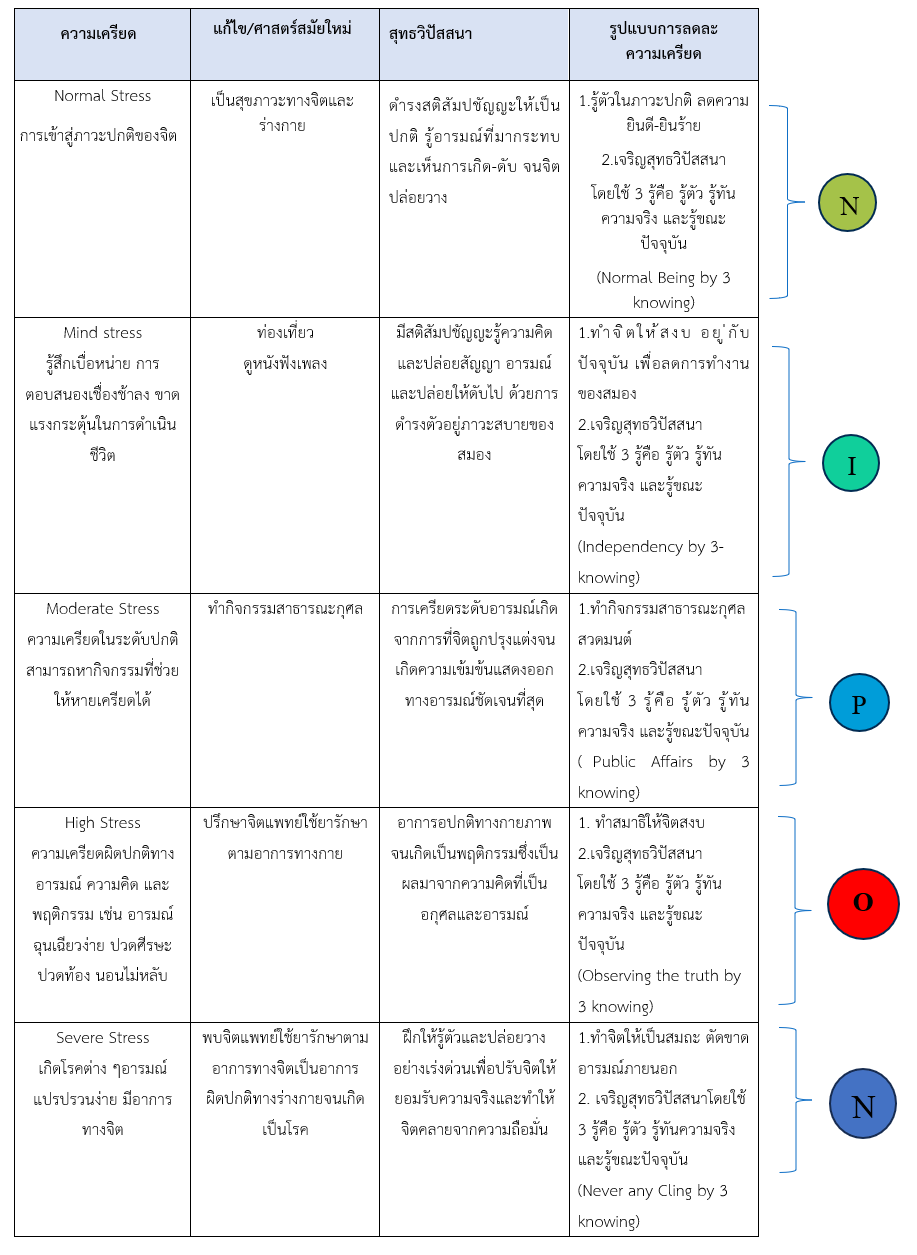
บทความนี้เป็นส่วนหนึ่งของดุษฎีนิพนธ์เรื่อง “รูปแบบการพัฒนาจิตตามหลักการเจริญสุทธวิปัสสนาเพื่อลดละความเครียด” มีวัตถุประสงค์ คือ 1) เพื่อศึกษาหลักการพัฒนาจิตตามหลักสุทธวิปัสสนาในพระพุทธศาสนาเถรวาท 2) เพื่อศึกษาภาวะความเครียดที่มีผลต่อจิตใจ อารมณ์ และร่างกาย 3) เพื่อนำเสนอรูปแบบการพัฒนาจิตตามหลักการเจริญสุทธวิปัสสนาเพื่อลดละความเครียด โดยมีระเบียบวิธีการวิจัยวิจัยเชิงคุณภาพ เน้นการวิจัยเอกสารและการสัมภาษณ์เชิงลึกผู้ให้ข้อมูลสำคัญ 16 รูป/คน ผลการวิจัยพบว่า การเจริญสุทธวิปัสสนาเป็นการพัฒนาจิตเพื่อลดละความเครียด มุ่งแก้ไขสาเหตุความเครียดซึ่งเกิดจากจิตที่รู้ไม่เท่าทันการเกิด-ดับของอารมณ์และกิเลสปรุงแต่งจิต การกำหนดรู้ตัว รู้เท่าทันอารมณ์ รู้ปัจจุบันขณะ เป็นกลวิธีในการปรับปรุงจิตเปลี่ยนแปลงไปในทางที่ดีขึ้นเพื่อเอื้อให้ระบบร่างกาย สมองทำงานปกติ การเจริญสุทธวิปัสสนาเป็นการรู้ทันความคิดปรุงแต่งทันที ซึ่งความคิดไม่มีการจัดระเบียบ และความคิดที่เกิดนั้นมักประกอบด้วยโทสะ โลภะ และโมหะซึ่งส่งผลให้เกิดความเครียด การเจริญสุทธวิปัสสนาช่วยให้สามารถแยกความคิดออกจากจิตด้วยสติปัญญา โดยการกำหนดรู้ความเป็นไตรลักษณ์ของสภาวะความคิดที่กำลังเกิด-ดับอยู่ตลอดเวลาตามความเป็นจริง ผลของการกำหนดรู้จะทำให้สติมีกำลัง รู้เท่าทันสภาวะ ความรู้สึกที่เกิดขึ้น เช่น รู้สึกถูกกดดัน ไม่สบายใจ วุ่นวายใจ กลัว วิตกกังวล ตลอดจนถูกบีบคั้น ก็จะทำให้ภาวะความเครียดที่เกิดจากการยึดติดอารมณ์ความรู้สึกที่เกิดขึ้นนั้นทุเลาเบาบางลงและละขาดได้หากเจริญวิปัสสนาจนถึงมรรคญาณ ได้รูปแบบ 3 รู้ คือ รู้ตน รู้ทันอารมณ์ตามความจริง และ รู้ปัจจุบัน (STP-3 Model) S=Self knowing, T= Truth knowing, P= Present knowing.
Article Details

อนุญาตภายใต้เงื่อนไข Creative Commons Attribution-NonCommercial-NoDerivatives 4.0 International License.
เนื้อหาและข้อมูลในบทความที่ลงตีพิมพ์ในวารสาร มจร บาฬีศึกษาพุทธโฆสปริทรรศน์ถือเป็นข้อคิดเห็นและความรับผิดชอบของผู้เขียนบทความโดยตรงซึ่งกองบรรณาธิการวารสาร ไม่จำเป็นต้องเห็นด้วย หรือร่วมรับผิดชอบใด ๆ บทความ ข้อมูล เนื้อหา รูปภาพ ฯลฯ ที่ได้รับการตีพิมพ์ในวารสาร มจร บาฬีศึกษาพุทธโฆสปริทรรศน์ถือเป็นลิขสิทธิ์ของวารสาร มจร บาฬีศึกษาพุทธโฆสปริทรรศน์หากบุคคลหรือหน่วยงานใดต้องการนำทั้งหมดหรือส่วนหนึ่งส่วนใดไปเผยแพร่ต่อหรือเพื่อกระทำการใด ๆ จะต้องได้รับอนุญาตเป็นลายลักอักษรจากวารสาร มจร บาฬีศึกษาพุทธโฆสปริทรรศน์ก่อนเท่านั้น
เอกสารอ้างอิง
ชุลีพร อร่ามเนตร. รับมือ "ความเครียด" ด้วยวิธีง่ายๆ ใครๆ ก็ทำได้. (ออนไลน์), https://www.bangkokbiznews.com/social/1015715, เข้าถึงเมื่อ 20 พฤษภาคม 2566.
กรมสุขภาพจิต. ผ่า 4 กลุ่มความเครียดที่กระทบสุขภาพ เครียดแบบเราจัดอยู่กลุ่มไหน?. (ออนไลน์) https://dmh.go.th/news-dmh/view.asp?id=30321 เข้าถึงเมื่อ 20 พฤษภาคม 2565.
ศรินรัตน์ ชิตะธรรมสิทธิ์. ได้วิจัยเรื่อง “กระบวนการเจริญอินทรีย์ ๕ ในโพธิปักขิยธรรมเพื่อการปฏิบัติวิปัสสนากรรมฐาน”. วารสาร มจร บาฬีศึกษาพุทธโฆสปริทรรศน์. ปีที่ 9 ฉบับที่ 1 (มกราคม–เมษายน 2566). 281.
มหาจุฬาลงกรณราชวิทยาลัย.อรรถกถาภาษาบาลีฉบับมหาจุฬาอฏฺฐกถา. กรุงเทพมหนคร : โรงพิมพ์มหาจุฬาลงกรณราชวิทยาลัย. โรงพิมพ์วิญญาณ. 2532.
________. ขุทฺทกนิกาย สัทธรรมปกาสินี ปฏิสัมภิทามรรคกถา. กรุงเทพมหานคร : โรงพิมพ์วิญญาณ. 2534.
พระโสภณมหาเถระ (มหาสีสยาดอ). วิปัสสนานัย เล่ม 1. พระพรหมโมลี (สมศักดิ์ อุปสมมหาเถระ) ป.ธ.9, M.A, Ph.D. ผู้ตรวจชำระ. พระคันธสาราภิวงศ์ แปลและเรียบเรียง. นครปฐม: ห้างหุ้นส่วนจำกัด ซีเอไอ เซ็นเตอร์ จำกัด. 2548.
