
คุณค่าของพระรัตนตรัยที่มีต่อผู้ปฏิบัติวิปัสสนากัมมัฏฐาน
Article Sidebar
Main Article Content
บทคัดย่อ
การวิจัยครั้งนี้มีวัตถุประสงค์ 3 ประการ คือ 1) เพื่อศึกษาพระรัตนตรัยในคัมภีร์พระพุทธศาสนาเถรวาท 2) เพื่อศึกษาการปฏิบัติวิปัสสนากัมมัฏฐานในคัมภีร์พระพุทธศาสนาเถรวาท และ 3) เพื่อนำเสนอคุณค่าของพระรัตนตรัยที่มีต่อผู้ปฏิบัติวิปัสสนากัมมัฏฐาน การวิจัยใช้ระเบียบวิธีวิจัยเชิงคุณภาพ แบบการวิจัยเอกสาร และการสัมภาษณ์เชิงลึก กลุ่มผู้ให้ข้อมูลหลักประกอบด้วย ผู้ทรงคุณวุฒิ 4 รูป/คน พระวิปัสสนาจารย์ 7 รูป และผู้ปฏิบัติธรรม 7 รูป/คน รวม 18 รูป/คน ข้อมูลที่ได้ถูกวิเคราะห์ สังเคราะห์ และนำเสนอเชิงพรรณนา
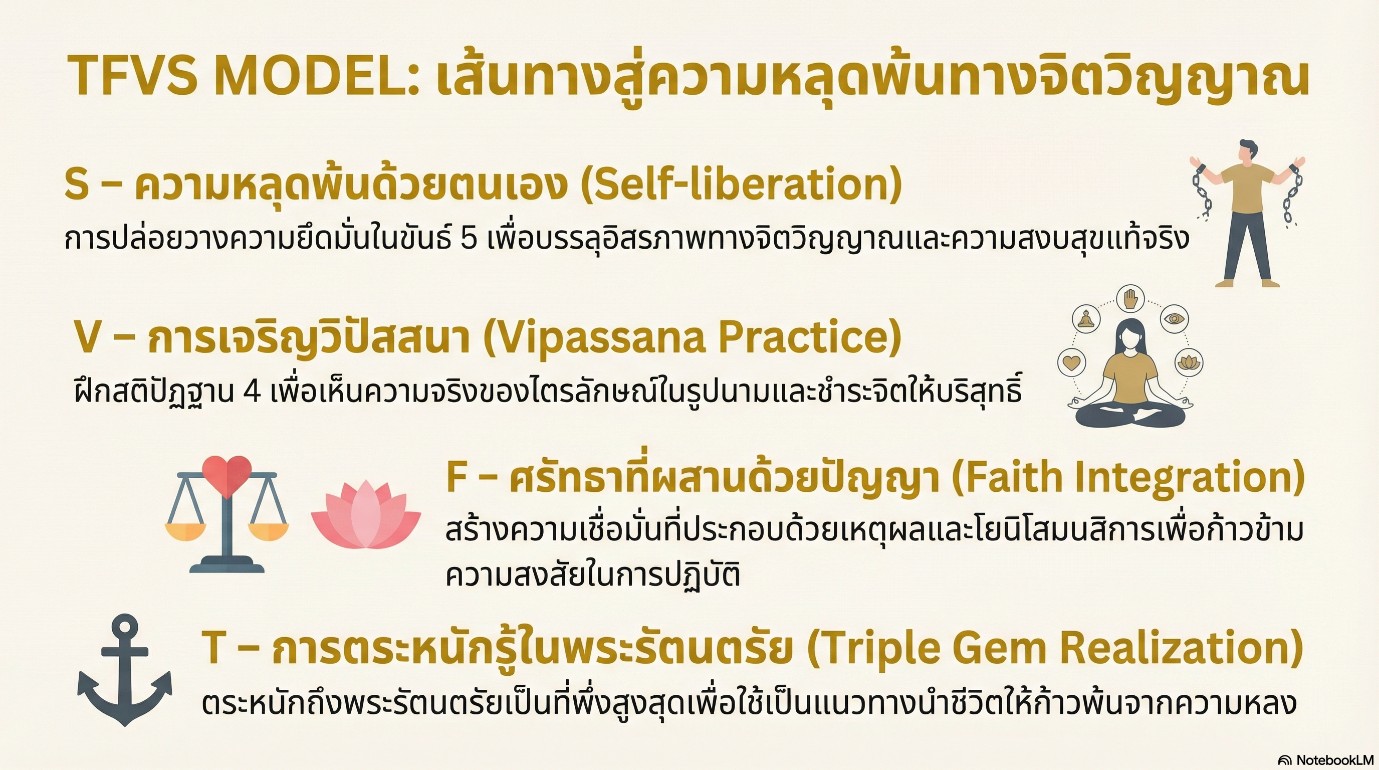
ผลการวิจัยพบว่า พระรัตนตรัยอันประกอบด้วยพระพุทธ พระธรรม และพระสงฆ์เป็นรัตนะอันประเสริฐสูงสุดในพระพุทธศาสนาเถรวาท ทำหน้าที่เป็นทั้งจุดเริ่มต้น แนวทาง และเป้าหมายสูงสุดของการปฏิบัติธรรม โดยเฉพาะในการเจริญวิปัสสนากัมมัฏฐานตามคัมภีร์เถรวาท ซึ่งเน้นการอาศัยสติปัฏฐาน 4 มรรคมีองค์ 8 และธรรมหมวดอื่นในโพธิปักขิยธรรม 37 เพื่อพัฒนาจิตจากศรัทธาที่ตั้งอยู่บนเหตุผลและโยนิโสมนสิการ ร่วมกับการเจริญปัญญา จนเกิดญาณทัสสนะเห็นแจ้งตามความเป็นจริง และนำไปสู่ความหลุดพ้นจากทุกข์อย่างแท้จริง โดยผู้ปฏิบัติตระหนักถึงคุณค่าของพระพุทธในฐานะครูผู้ค้นพบสัจธรรมและเป็นแบบอย่างแห่งการพัฒนาตน พระธรรมในฐานะหลักคำสอนที่นำไปสู่ความพ้นทุกข์ และพระสงฆ์ในฐานะหมู่สาวกผู้ปฏิบัติดี ปฏิบัติชอบ และสืบทอดพระศาสนาอย่างมั่นคง ทั้งสามประการนี้จึงมิใช่เพียงที่พึ่งทางจิตวิญญาณ หากยังเป็นโครงสร้างหลักที่หล่อหลอมกระบวนการภาวนาให้ดำเนินไปอย่างมีทิศทางและเปี่ยมด้วยความหมาย ผลการวิจัยยืนยันว่าพระรัตนตรัยเป็นทั้งหลักทฤษฎีในคัมภีร์และวิถีปฏิบัติที่ได้รับการพิสูจน์แล้วว่า สามารถนำพาผู้ปฏิบัติวิปัสสนากัมมัฏฐานไปสู่ความหลุดพ้นได้อย่างแท้จริง และ TFVS MODEL เป็นนวัตกรรมทางความรู้ที่ช่วยอธิบายพลวัตดังกล่าวอย่างชัดเจน ครอบคลุม และประยุกต์ใช้ได้จริง
Article Details

อนุญาตภายใต้เงื่อนไข Creative Commons Attribution-NonCommercial-NoDerivatives 4.0 International License.
เนื้อหาและข้อมูลในบทความที่ลงตีพิมพ์ในวารสาร มจร บาฬีศึกษาพุทธโฆสปริทรรศน์ถือเป็นข้อคิดเห็นและความรับผิดชอบของผู้เขียนบทความโดยตรงซึ่งกองบรรณาธิการวารสาร ไม่จำเป็นต้องเห็นด้วย หรือร่วมรับผิดชอบใด ๆ บทความ ข้อมูล เนื้อหา รูปภาพ ฯลฯ ที่ได้รับการตีพิมพ์ในวารสาร มจร บาฬีศึกษาพุทธโฆสปริทรรศน์ถือเป็นลิขสิทธิ์ของวารสาร มจร บาฬีศึกษาพุทธโฆสปริทรรศน์หากบุคคลหรือหน่วยงานใดต้องการนำทั้งหมดหรือส่วนหนึ่งส่วนใดไปเผยแพร่ต่อหรือเพื่อกระทำการใด ๆ จะต้องได้รับอนุญาตเป็นลายลักอักษรจากวารสาร มจร บาฬีศึกษาพุทธโฆสปริทรรศน์ก่อนเท่านั้น
เอกสารอ้างอิง
มหาจุฬาลงกรณราชวิทยาลัย. พระไตรปิฎกภาษาไทยฉบับมหาจุฬาลงกรณราชวิทยาลัย. กรุงเทพมหานคร: โรงพิมพ์มหาจุฬาลงกรณราชวิทยาลัย, 2539.
ศักดา ศิริพันธ์. อัญมณีในเครื่องประดับ. กรุงเทพมหานคร: บริษัท ด่านสุธาการพิมพ์ จำกัด. 2552.
สถาบันวิจัยและพัฒนาอัญมณีและเครื่องประดับแห่บแห่งชาติ (องค์กรมหาชน), "สถานการณ์การส่งออกสินค้าอัญมณีและเครื่องประดับไทยปี 2560", เอกสารประกอบงานแสดงสินค้า Bangkok Gems งานแสดงสินค้าอัญมณีแห่งประเทศไทย. กรุงเทพมหานคร: 23 กุมภาพันธ์ 2563.
สมเด็จพระพุทธโฆษาจารย์ (ป.อ.ปยุตฺโต). ตามพระใหม่ไปเรียนธรรม. กรุงเทพมหานคร : โรงพิมพ์มหาจุฬาลงกรณราชวิทยาลัย, 2567.
พระพรหมคุณาภรณ์ (ป.อ.ปยุตฺโต). พจนานุกรมพุทธศาสตร์ ฉบับประมวลธธรรม. กรุงเทพมหานคร : โรงพิมพ์มหาจุฬาลงกรณราชวิทยาลัย, 2564.
พระครูกัลยาณสิทธวัฒน (สมาน พรหมอยู่/กลฺยาณธมฺโม). เอตทัคคะในพระพุทธศาสนา. พิมพ์ครั้งที่ 6, กรุงเทพมหานคร, โรงพิมพบริษัท สหธรรมิก จำกัด, 2546.
