
การออกแบบแอปพลิเคชันเพื่อการรับรู้ความเสี่ยงและแจ้งเตือน สำหรับโรคไม่ติดต่อเรื้อรัง
คำสำคัญ:
โรคไม่ติดต่อเรื้อรัง , ดัชนีมวลกาย, สื่อสังคมออนไลน์ , ออกแบบแอปพลิเคชันบทคัดย่อ
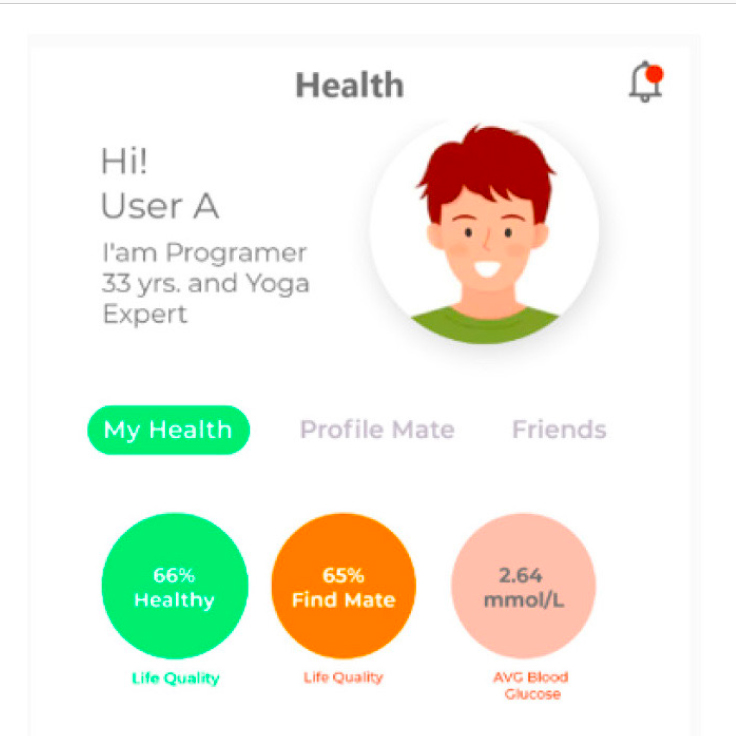
การวิจัยครั้งนี้มีความมุ่งหมายของการวิจัย เพื่อออกแบบแอปพลิเคชันเพื่อการรับรู้ความเสี่ยงและแจ้งเตือน สำหรับโรคไม่ติดต่อเรื้อรัง โดยแบ่งการศึกษาออกเป็น 3 ด้านคือ 1) ศึกษาข้อมูลเกี่ยวกับความเสี่ยงโรคไม่ติดต่อเรื้อรัง การรับรู้ และพฤติกรรมของผู้มีความเสี่ยง โดยดำเนินงานวิจัยด้วยการวิเคราะห์บทความและงานวิจัยที่เกี่ยวข้อง 2) ศึกษาปัจจัยเกี่ยวกับการมีส่วนร่วมของครอบครัว สังคม และชุมชน เพื่อช่วยในการปรับเปลี่ยนพฤติกรรม และ 3) ศึกษาปัจจัยเกี่ยวกับการใช้แอปพลิเคชันสื่อสังคมออนไลน์ โดยนำมาสร้างเป็นเครื่องมือในการวิจัยคือ แอปพลิเคชันเพื่อการรับรู้ความเสี่ยงและแจ้งเตือนสำหรับโรคไม่ติดต่อเรื้อรัง เพื่อนำไปทำแบบประเมิน เพื่อสอบถามกลุ่มผู้มีความเสี่ยงโรคไม่ติดต่อเรื้อรัง จำนวน 100 คน โดยแบ่งคำถามเพื่อตอบโจทย์วัตถุประสงค์การศึกษา ออกเป็น 3 ส่วนที่เกี่ยวข้องโดยตรงกับการรับรู้ความเสี่ยงและแจ้งเตือน ดังต่อไปนี้ ส่วนที่ 1) การแสดงข้อมูลแอปพลิเคชันเกี่ยวกับสุขภาพส่วนบุคคล ผลการวิจัยพบว่า ค่าเฉลี่ยของการสามารถแสดงผลสรุปค่าดัชนีมวลกาย BMI และค่า Life Quality (การนอน การดื่มน้ำ การออกกำลังกาย การสูบบุหรี่) เพื่อให้ผู้ใช้งานได้รับรู้ข้อมูลตลอดเวลาที่ใช้งานแอปพลิเคชัน มีค่าเฉลี่ยที่ 4.4 โดยมีค่าเบี่ยงเบนมาตรฐานอยู่ที่ 0.69 ถือว่าอยู่ในระดับดี ค่าเฉลี่ยของการเชื่อมต่อกับอุปกรณ์และแอปพลิเคชันทางด้านสุขภาพ เพื่อนำข้อมูลมาวิเคราะห์ข้อมูล ในการแจ้งเตือนผู้ใช้งานเกี่ยวกับสุขภาพ มีค่าเฉลี่ยที่ 4.3 โดยมีค่าเบี่ยงเบนมาตรฐานอยู่ที่ 0.78 ถือว่าอยู่ในระดับดี และค่าเฉลี่ยของการวิเคราะห์ข้อมูลสุขภาพย้อนหลังเปรียบเทียบ เพื่อให้ผู้ใช้งานได้มีข้อมูลสุขภาพอยู่กับตัวตลอดเวลา และนำข้อมูลนี้คอยแจ้งเตือน เพื่อให้ดูแลสุขภาพ มีค่าเฉลี่ยที่ 4.4 โดยมีค่าเบี่ยงเบนมาตรฐานอยู่ที่ 0.75 ถือว่าอยู่ในระดับดี ส่วนที่ 2) การแสดงข้อมูลแอปพลิเคชันเกี่ยวกับสื่อสังคม (Social Media) ผลการวิจัยพบว่า ค่าเฉลี่ยของการสามารถชวนคนที่รัก เพื่อน หรือคนในครอบครัว มาเป็นคนรู้ใจ (Mate) เพื่อช่วยกันแจ้งเตือน เพื่อดูแลสุขภาพกันได้ มีค่าเฉลี่ยที่ 4.2 โดยมีค่าเบี่ยงเบนมาตรฐานอยู่ที่ 0.79 ถือว่าอยู่ในระดับดี และ ค่าเฉลี่ยของการสามารถแบ่งปันข้อมูลสุขภาพส่วนบุคคลของตัวเองให้กับคนรู้ใจ (Mate) ได้รับรู้ เพื่อช่วยให้เกิดการตั้งค่าให้แจ้งเตือนได้ เช่น การออกกำลังกาย การพักผ่อนให้เพียงพอ หรือการตักเตือน เมื่อมีการทำพฤติกรรมเสี่ยง เช่น ดื่มแอลกอฮอล์ หรือสูบบุหรี่ มีค่าเฉลี่ยที่ 4.3 โดยมีค่าเบี่ยงเบนมาตรฐานอยู่ที่ 0.79 ถือว่าอยู่ในระดับดี และ ส่วนที่ 3) การแสดงข้อมูลแอปพลิเคชันเกี่ยวกับสินค้าเพื่อสุขภาพ (Market Place) ผลวิจัยพบว่า ค่าเฉลี่ยของการสามารถได้รับส่วนลดพิเศษจากการสั่งซื้อผ่านแอปพลิเคชัน เมื่อมีการดูแลสุขภาพ มีค่าเฉลี่ยที่ 4.2 โดยมีค่าเบี่ยงเบนมาตรฐานอยู่ที่ 0.89 ถือว่าอยู่ในระดับดี
เอกสารอ้างอิง
คัทลิยา วสุธาดา, ลลิตา เดชาวุธ, นันทวัน ใจกล้า, และ สายใจ จารุจิตร. (2561). ความสัมพันธ์ระหว่างการรับรู้เกี่ยวกับโรคไม่ติดต่อเรื้อรังกับพฤติกรรมการส่งเสริมสุขภาพในการป้องกันโรคไม่ติดต่อเรื้อรังของประชาชนในเขตอำเภอเมือง จังหวัดจันทบุรี. วารสารวิทยาลัยพยาบาลพระปกเกล้า จันทบุรี, 29(2), 48-59.
ศิริเนตร สุขดี. (2560). การพัฒนารูปแบบการปรับเปลี่ยนพฤติกรรมสุขภาพของกลุ่มเสี่ยงโรคไม่ติดต่อเรื้อรังด้วยการมีส่วนร่วมของชุมชน. (วิทยานิพนธ์ปรัชญาดุษฎีบัณฑิต สาขาการวิจัยพฤติกรรมศาสตร์ประยุกต์). กรุงเทพฯ : มหาวิทยาลัยศรีนครินทรวิโรฒ.
สายสุนี เจริญศิลป์. (2564). ปัจจัยที่มีอิทธิพลต่อพฤติกรรมการป้องกันโรคหลอดเลือดสมองในผู้ป่วยความดันโลหิตสูง อำเภอเมืองจังหวัดนครสวรรค์ . (วิทยานิพนธ์สาธารณสุขศาสตรมหาบัณฑิต). พิษณุโลก: มหาวิทยาลัยนเรศวร.
สุธิดา เกษม. (2561). การรับรู้และพฤติกรรมเสี่ยงต่อโรคไม่ติดต่อเรื้อรังของประชาชนในตำบล คลองนิยมยาตรา อำเภอบางบ่อ จังหวัดสมุทรปราการ. สืบค้นจาก http://www.ba-abstract.ru.ac.th/AbstractPdf/2561-2-1_1564636924.pdf.
อมรรัตน์ มานะวัฒนวงศ์, สุรศักดิ์ ไชยสงค์, สุพล ลิมวัฒนานนท์, จุฬาภรณ์ ลิมวัฒนานนท์, กัญจนา ติษยาธิคม, วลัยพร พัชรนฤมล, และ วิโรจน์ ตั้งเจริญเสถียร. (2560). ผู้ป่วย ด้วย NCD มีพฤติกรรมเสี่ยงทางสุขภาพอยู่มากน้อยแค่ไหน: รายงานจากการสำรวจ อนามัยและสวัสดิการ พ.ศ. 2558 วารสารวิจัยระบบสาธารณสุข, 11(3), 345-354.
อุทัย ยะรี และ มัณฑนา สีเขียว. (2562). การใช้สื่อสังคมออนไลน์กับการดูแลสุขภาพของผู้สูงอายุในยุคไทยแลนด์ 4.0. วารสารมหาวิทยาลัยราชภัฏลำปาง, 8(1) มกราคม - มิถุนายน, 222-238. จาก https://so04.tci-thaijo.org/index.php/JLPRU/article/ view/198457/138673
Parchachat. (2022). ศบค.เผยลงทะเบียนเข้าไทยจ่อ 4 แสนคน นครสวรรค์ ครองเตียงพุ่ง 60%. Retrieved from https://www.prachachat.net/general/news-930772.
Rogers, C. H., & Shive, J. W. (1932). Factors affecting the distribution of iron in plants. Plant Physiology, 7(2), 227.
Rosenstock, I. M. (1974). The health belief model and preventive health behavior. Health education monographs, 2(4), 354-386.
Tilden, V. P., & Weinert, C. (1987). Social support and the chronically ill individual. The Nursing Clinics of North America, 22(3), 613-620.
WHO. (2021). Noncommunicable diseases. Retrieved from https://www.who. int/news-room/fact-sheets/detail/noncommunicable-diseases.
ดาวน์โหลด
เผยแพร่แล้ว
เวอร์ชัน
- 2022-12-30 (2)
- 2022-12-30 (1)

