ฮาลาล : อัตลักษณ์การดำรงอยู่ของความศรัทธาและความงามสู่บริบทแฟชั่นมุสลิม
คำสำคัญ:
ฮาลาล / อัตลักษณ์ / ความศรัทธา / ความงาม / สตรีมุสลิมบทคัดย่อ
การวิจัยนี้มีวัตถุประสงค์เพื่อ 1) ศึกษาวัฒนธรรมการแต่งกายของสตรีมุสลิมในบริบทฮาลาล 2) ศึกษาการแต่งกายของสตรีมุสลิมที่มีผลต่อพฤติกรรมการแต่งกายเพื่อนำมากำหนดแนวทางการออกแบบแฟชั่น 3) ออกแบบแฟชั่นการแต่งกายของสตรีมุสลิม ผ่านมุมมองการดำรงอยู่ของความศรัทธาในบริบทปัจจุบัน โดยวิธีเก็บรวบรวมข้อมูลแบบผสมผสาน เก็บข้อมูลวิจัยเชิงคุณภาพโดยการสัมภาษณ์จากกลุ่มประชากรตัวอย่าง ได้แก่ ผู้นำศาสนา นักวิชาการมุสลิม นักออกแบบ และสตรีมุสลิมที่เป็นตัวแทนของผู้บริโภค รวมไปถึงการเก็บข้อมูลพฤติกรรมการบริโภคของสตรีมุสลิม ที่อาศัยอยู่ในเขตกรุงเทพมหานคร จำนวน 400 ราย เพื่อนำข้อมูลมาวิเคราะห์ สังเคราะห์ ร่วมกับกระบวนการออกแบบเครื่องแต่งกายในรูปแบบที่เหมาะสมกับกลุ่มผู้บริโภคที่เป็นสตรีมุสลิม และเพื่อให้ได้แนวทางและทฤษฎีการออกแบบเครื่องแต่งกายของสตรีมุสลิม
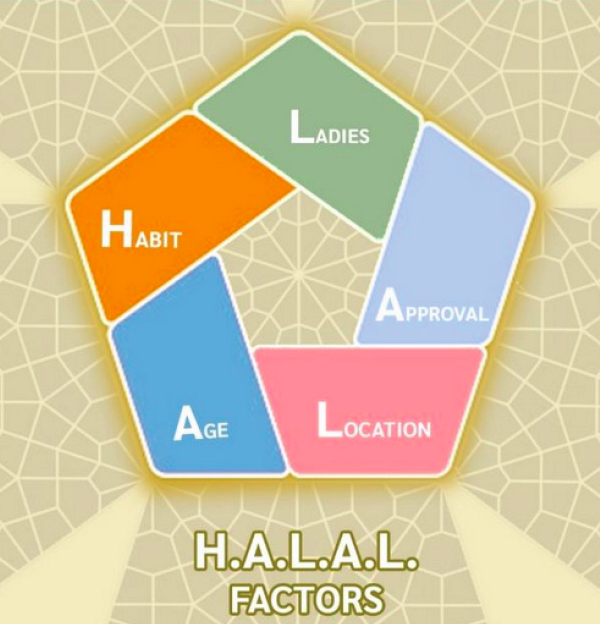
ผลการวิจัยพบว่า 1) วัฒนธรรมการแต่งกายของสตรีมุสลิมในบริบทฮาลาล การแต่งกายจะเป็นรูปแบบที่สอดคล้องกับหลักศาสนาเป็นความงามในบริบทฮาลาล งามแบบมีคุณค่าและความดีงาม เป็นเสน่ห์แห่งการปกปิด คือ การปกปิดเอาเราะฮ์ให้ถูกต้องตามหลักการศาสนา 2) การดำเนินชีวิตของสตรีมุสลิมจากวัฒนธรรมและความร่วมสมัยในปัจจุบัน เน้นความเรียบง่าย รูปแบบเสื้อผ้าต้องมีลักษณะที่สามารถปรับให้ใส่ได้ในหลายโอกาส โครงชุดต้องมีลักษณะหลวมไม่เน้นสัดส่วนและต้องมีความร่วมสมัย โทนสีที่เลือกใช้จะต้องเป็นโทนสีคล้ายกันทั้งชุดหรือเป็นกลุ่มสีที่ไม่ตัดกันและต้องมีเอกลักษณ์ของศิลปะวัฒนธรรมแบบมุสลิม 3) การออกแบบแฟชั่นเครื่องแต่งกายมุสลิม ผ่านมุมมองการดำรงอยู่ของความศรัทธาในบริบทปัจจุบัน มีรูปแบบเสื้อผ้า คือ เสื้อกับกางเกง เสื้อกับกระโปรง และชุดติดกันเป็นหลัก เพื่อความคล่องตัวในการทำงาน การเดินทางในระบบขนส่งสาธารณะ ทั้งนี้จากการศึกษาวิจัยดังกล่าวสามารถสรุปได้ว่า ในการออกแบบการแต่งกายของสตรีมุสลิมในบริบทแฟชั่น ผ่านมุมมองการดำรงอยู่ของความศรัทธาในบริบทปัจจุบันนั้น มุมมองความงามสะท้อนถึงความเป็นอัตลักษณ์ของสตรีมุสลิมได้ และในทางศาสนาให้ความสำคัญในการแต่งกายเป็นอย่างมาก เพื่อเป็นการปกป้องให้ผู้หญิงมีความปลอดภัย ซึ่งการวิจัยครั้งนี้ผู้วิจัยค้นพบองค์ความรู้ใหม่จากการศึกษาวิจัย คือ ปัจจัยออกแบบแฟชั่นฮาลาล (HALAL Factors) ปัจจัยสำหรับให้นักออกแบบนำไปประยุกต์ใช้ในการออกแบบเครื่องแต่งกายมุสลิมในบริบทอื่น ๆ ได้
จากการศึกษา ผู้วิจัยมีข้อเสนอแนะในการนำผลวิจัยไปใช้และข้อเสนอแนะสำหรับการวิจัยครั้งต่อไปว่า การเลือกกลุ่มตัวอย่าง หากมีการกำหนดเฉพาะเจาะจงช่วงอายุ จะทำให้ทราบข้อมูลของผู้บริโภคที่เฉพาะเจาะจง และในการศึกษาลวดลายปักผ้าของชาวมุสลิม หากมีการเก็บรวบรวมสืบทอดภูมิปัญญาไว้ จะเป็นฐานข้อมูลเพื่อการนำไปประยุกต์ใช้ในแบบร่วมสมัย และการศึกษาวิจัยในอนาคตควรมีการศึกษาวิจัยในพื้นที่อื่นในประเทศด้วย ตลอดจนควรจัดให้มีการศึกษาเปรียบเทียบปัจจัยที่ส่งผลต่อการเปลี่ยนแปลงรูปแบบการแต่งกายของสตรีมุสลิมในแต่ละภูมิภาคด้วย
เอกสารอ้างอิง
กองสถิติสังคม สำนักงานสถิติแห่งชาติ. (2563). การสำรวจสภาวะทางสังคม วัฒนธรรม และ
สุขภาพจิต พ.ศ.2561. กรุงเทพฯ : กองสถิตพยากรณ์ สำนักงานสถิติแห่งชาติ.
ใจภักดิ์ บุรพเจตนา. (2560). แรงบันดาลใจสู่การออกแบบแฟชั่น. กรุงเทพฯ: อันลิมิต พริ้นติ้ง.จำกัด.
นริศรา สื่อไพศาล. (2558). ผู้หญิงมุสลิมในยุคโลกาภิวัตน์: ตีคสามและต่อรอง, ศรัทธาและความ เปลี่ยนแปลง. สืบค้นเมื่อ 10 เมษายน 2565. เข้าถึงได้จากhttps://prachatai.com/ journal/2015/12/63168
วาทินี บุญชะลักษี. ประชากรโลกกับการนับถือศาสนา. (ออนไลน์) 2562. สถาบันวิจัยประชากรและ
สังคม มหาวิทยาลัยมหิดล (สืบค้นเมื่อ 27 พฤษภาคม 2566). จาก
https://www.theprachakorn.com/newsDetail.php?id=192
ฮาฟิส สาและ (2557). โลกาภิวัตน์กับการเปลี่ยนแปลงอัตลักษณ์มุสลิม: พลวัตของกระแสอิสลาม ‘บริสุทธิ์’ ในสังคมมุสลิมไทย คนหนุ่มสาวมุสลิมกับโลกสมัยใหม่. พิมพ์ครั้งที่ 1. กรุงเทพฯ:
คณะทำงานวาระทางสังคม สถาบันวิจัยสังคม จุฬาลงกรณ์มหาวิทยาลัย.
Hassan, Siti Hasnah:Harun, Harmimi. Factors influencing fashion consciousness in hijab
fashion consumption among hijabistas. (Online) 2016. Journal of Islamic Marketing, vol. 12, Issue4, pp. 476-494 (Cited 2023 May 20). Available From: https://www.researchgate.net/publication/310834196_Factors_influencing_fashion_consciousness_in_hijab_fashion_consumption_among_hijabistas