มรดกภูมิปัญญาทางวัฒนธรรมคุณค่าของหัตถศิลป์ผ้าปักโบราณของไทย
คำสำคัญ:
มรดกภูมิปัญญาทางวัฒนธรรม , คุณค่า, หัตถศิลป์, ผ้าปักโบราณบทคัดย่อ
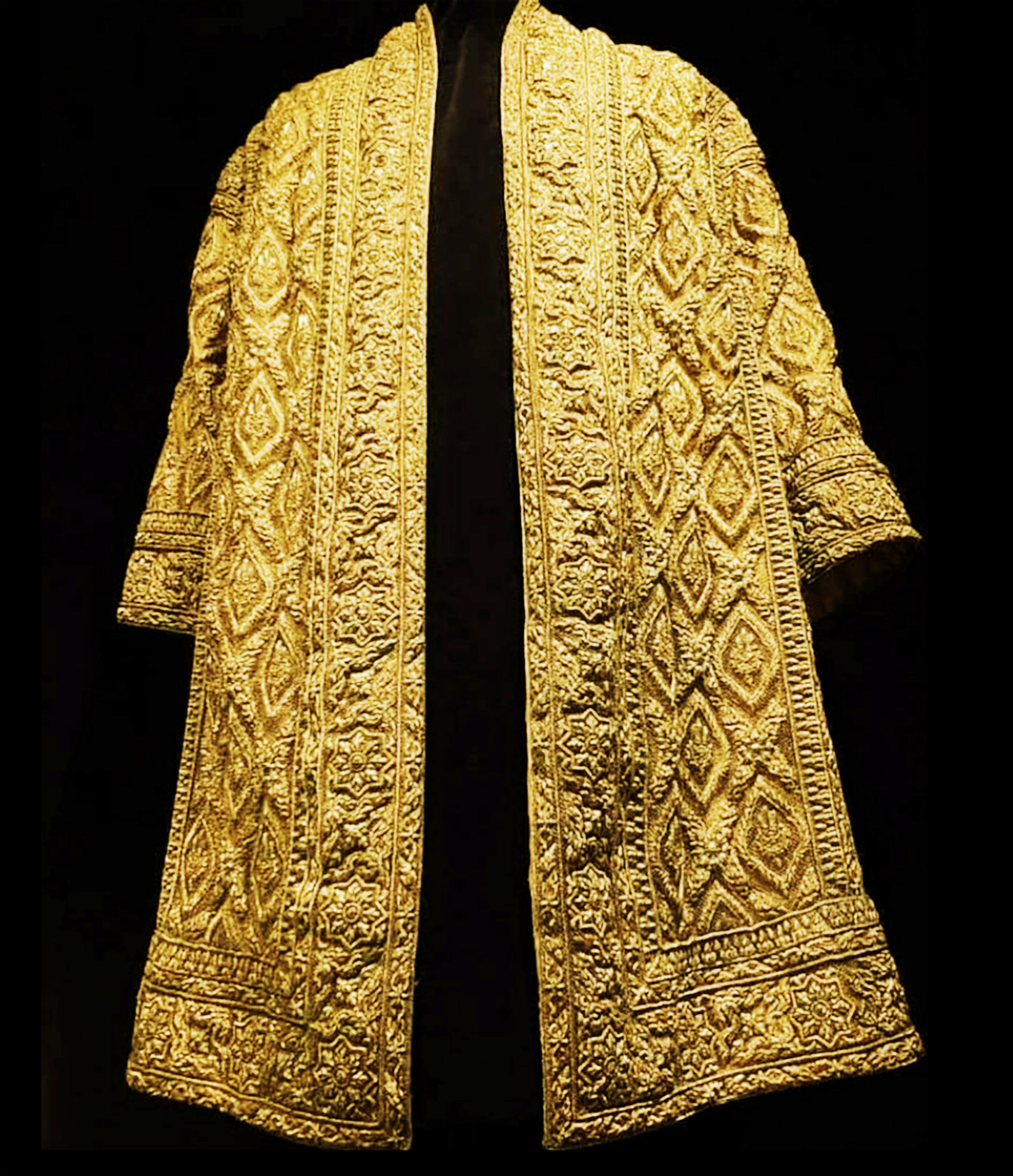
บทความนี้เป็นส่วนหนึ่งของการศึกษามรดกภูมิปัญญาทางวัฒนธรรมของหัตถศิลป์ผ้าปักโบราณ เพื่อนำเสนอองค์ความรู้ทางมรดกภูมิปัญญาหัตถศิลป์ผ้าปักโบราณ ที่มุ่งเน้นคุณค่าความงามทางภูมิปัญญาหัตถศิลป์ผ้าปักโบราณของไทย ซึ่งเป็นงานประณีตศิลป์ที่เป็นศาสตร์ชั้นสูง มีเอกลักษณ์เฉพาะตัว ความวิจิตรบรรจง ความประณีตและงดงาม แสดงถึงภูมิปัญญาที่เกิดจากการสืบทอดส่งต่อมาจากบรรพบุรุษ แฝงด้วยความวิริยะอุตสาหะ ทักษะความชำนาญเฉพาะตัวของช่างฝีมือชั้นสูง งานหัตถศิลป์ผ้าปักโบราณเป็นงานที่สร้างสรรค์ขึ้นในเฉพาะกลุ่มชนชั้นสูง สำหรับประโยชน์ใช้สอยในการดำรงชีวิตการปักตกแต่งบนฉลองพระองค์พระมหากษัตริย์ เครื่องทรง เครื่องราชนูปโภคของพระมหากษัตริย์ เครื่องแต่งกายนาฏศิลป์ชั้นสูง และเครื่องสังฆภัณฑ์ที่แสดงถึงสมณศักดิ์ หัตถศิลป์ผ้าปักโบราณเป็นมรดกภูมิปัญญาทางวัฒนธรรมของไทย ที่มีเอกลักษณ์เฉพาะตัวผ่านกระบวนการเทคนิคการปักผ้าที่มีความยุ่งยากและซับซ้อน ทำให้ปัจจุบันเริ่มเสื่อมคลายไปตามกาลเวลา วัฒนธรรมและภูมิปัญญาจึงมีคุณค่าควรค่าแก่การอนุรักษ์ สืบสาน ส่งเสริม และพัฒนาต่อยอด มิให้สูญหายไปในอนาคต
เอกสารอ้างอิง
กรมศิลปากร กระทรวงวัฒนธรรม. (2555). สมเด็จพระนางเจ้าสิริกิติ์ พระบรมราชินีนาถกับงานประณีตศิลป์. อมรินทร์พริ้นติ้งแอนต์พับลิชชิ่ง.
กรมส่งเสริมวัฒนธรรม กระทรวงวัฒนธรรม.(2559). วัฒนธรรม วิถีชีวิตและภูมิปัญญา. รุ่งศิลป์การพิมพ์.
กลุ่มเผยแพร่และประชาสัมพันธ์ (2566). ทำไมต้องรักษามรดกทางศิลปวัฒนธรรม. https://shorturl.asia/dRoUF.
ชัยณรงค์ ศรีรักษ์. (2565). แนวทางจัดการคุณค่ามรดกภูมิปัญญาทางวัฒนธรรมเชิงสร้างสรรค์เพื่อสร้างความยั่งยืน พื้นที่ชุมชนลุ่มแม่นํ้าสุพรรณบุรี ประเทศไทย. กระแสวัฒนธรรม, 23 (44).
ฐานเศรษฐกิจ. (2565). ฉลองพระองค์บรมราชภูษิตาภรณ์. https://www.thansettakij.com/
general-news/399539.
ปรีดา บุญยรัตน์. (2560). วิจัยเชิงปฏิบัติการ การสร้างสรรค์งานปักผ้าจากรูปแบบไทยประเพณี โดยใช้สื่อผสมเป็นผลงานศิลปะร่วมสมัย : แสดงความงามในเอกภาพแห่งสภาวการณ์ความเปลี่ยนแปลงของลวดลายตามการคลี่คลายแปรเปลี่ยนและจัดวางรูปทรง. คณะศิลปกรรมศาสตร์ มหาวิทยาลัยธรรมศาสตร์
พระราชบัญญัติส่งเสริมและรักษามรดกภูมิปัญญาทางวัฒนธรรม พ.ศ.2559. สำนักงานกิจการโรงพิมพ์องค์การสงเคราะห์ทหารผ่านศึก.(2559). http://book.culture.go.th/newbook/ich/ich2559.pdf
วรพงศ์ ผูกภู่. มรดกภูมิปัญญาทางวัฒนธรรม ความรู้ของมนุษยชาติ. (2562). https://shorturl.asia/RcJKB
วิบูลย์ ลี้สุวรรณ.(2559). พจนานุกรมผ้าและเครื่องถักทอ. เมืองโบราณ.
ศิวรี อรัญนารถ และศมิสสร สุทธิสังข์. (2562). หัถตศิลป์ผ้าปักไทย-เวียดนาม : ประวัติศาสตร์วัฒนธรรมและวิถีชีวิต. มหาวิทยาลัยศิลปากร, 39 (2).
หน่วยปฏิบัติงานวิจัยแฟชั่นและนฤมิตศิลป์ คณะศิลปกรรมศาสตร์ จุฬาลงกรณ์มหาวิทยาลัย. (2559). โครงการภูมิปัญญาผ้าอาเซียน:อัตลักษณ์และทุนวัฒนธรรมของไทย-ลาว-เวียดนาม สู่ผลิตภัณฑ์วัฒนธรรมสร้างสรรค์. ภายใต้โครงการยุทธศาสตร์การวิจัยเชิงลึก กองทุนรัชดาภิเษกสมโภช คลัสเตอร์อาเซียนศึกษา.
The United Nations Education, Scientific and Cultural Organization.Convention for the Safeguarding of the Intangible Cultural Heritage.(2003).https://ich.unesco.org/en/convention#part3.