The Development of Analytical Thinking Skills in the al-Hadith Subject Using GPAS 5 Steps Process for Year 4 Primary Islamic Studies Students
Article Sidebar
Main Article Content
Abstract
DOI : 10.14456/pnuhuso.2025.21
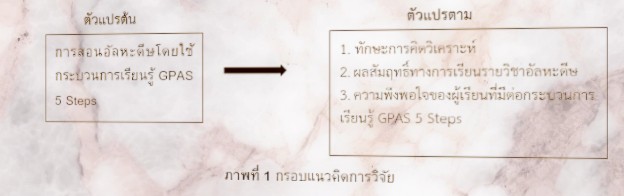
The objectives of this research were: (1) to develop analytical thinking skills in the al-Hadith subject using the GPAS 5 Steps process for Year 4 students in the primary Islamic studies stage; (2) to compare students’ learning achievement before and after the instruction; and (3) to examine students’satisfaction with the GPAS 5 Steps process. The sample consisted of 32 Year 4 students from the primary Islamic studies stage students in the first semester of the 2024 academic year at Santitham School, selected using a cluster random sampling technique.
The research instrument included: (1) lesson plans based on the GPAS 5 Steps process, (2) an academic achievement test, (3) a situational analytical thinking skills test, and (4) a satisfaction questionnaire regarding the GPAS 5 Steps process. Data were analyzed using mean, standard deviation, and t-tests statistics. The results indicated that students’ analytical thinking skills and academic achievement scores after instruction were significantly higher than before instruction at the 0.001 level of significance. Students’satisfaction with the GPAS 5 Steps process was at a high level.
Article Details

This work is licensed under a Creative Commons Attribution-NonCommercial-NoDerivatives 4.0 International License.
References
กระทรวงศึกษาธิการ. (2555). หลักสูตรอิสลามศึกษาพุทธศักราช 2546 ฉบับปรับปรุง 2555. คุรุสภาลาดพร้าว.
กาญจนา ฐานะวุฒิกุล และน้ำทิพย์ องอาจวาณิชย์. (2567). การพัฒนาความสามารถการอ่านวิเคราะห์ วรรณคดีไทยของนักเรียนชั้นประถมศึกษาปีที่ 6 โดยใช้กระบวนการ GPAS 5 Steps ร่วมกับ อินโฟกราฟิก. วารสารสหวิทยาการเพื่อการพัฒนามหาวิทยาลัยราชภัฏอุตรดิตถ์, 14(1), 7-14 https://so06.tci-thaijo.org/index.php/GRAURU/article/view/272627
นนทชัย สามงามจันทร์. (2560). ลักษณะของแผนการสอนที่ดี. https://blog.nsru.ac.th/60111806059/3 696
ดาวรถา วีระพันธ์ และกมลมาศ วงษ์ใหญ่. (2567). ผลการจัดกิจกรรมด้วยบอร์ดเกม เรื่อง คิด-คัด-แยก ร่วมกับกระบวนการ GPAS 5 Step เพื่อส่งเสริมทักษะกระบวนการคิด. วารสารบัณฑิตศึกษา มหาวิทยาลัยราชภัฏวไลยอลงกรณ์, 18(2), 45-60.
พรชัย ทาลา. (2561). การพัฒนาชุดการสอนรายวิชาพื้นฐานคณิตศาสตร์ รหัสวิชา ค 23101 เรื่อง พื้นที่ผิวและปริมาตร ชั้นมัธยมศึกษาปีที่ 3 โดยใช้กระบวนการ GPAS 5 Steps. https://www.krooban nok.com/board_view.php?b_id=163050&bcat_id=16#google_vignette
พิมชนก เจริญชีพ. (2564). การศึกษาผลการใช้รูปแบบการจัดการเรียนรู้แบบสืบเสาะหาความรู้ (5Es) ร่วมกับวีดิทัศน์แบบมีปฏิสัมพันธ์ที่มีผลต่อแนวคิดทางวิทยาศาสตร์เรื่องโครงสร้างและหน้าที่ของเซลล์ของนักเรียนชั้นมัธยมศึกษาปีที่ 1. วารสารศาสตร์ การศึกษาและการพัฒนามนุษย์, 5(1), 26-39.
วาวรินทร์ พงษ์พัฒน์. (2561). การพัฒนาผลสัมฤทธิ์ทางการเรียนคณิตศาสตร์เรื่องความน่าจะเป็นโดยการจัดการเรียนรู้แบบ GPAS 5 Steps ในระดับชั้นมัธยมศึกษาปีที่ 3 โรงเรียนวัดศรีสุทธาราม จังหวัดสมุทรสาคร [วิทยานิพนธ์ปริญญามหาบัณฑิต]. มหาวิทยาลัยรามคำแหง.
ศักดิ์สิน โรจน์สราญรมย์. (2565). GPAS 5 Steps โมเดลการคิดขั้นสูงเรียนรู้แบบแอคทีฟเลินนิ่ง. https://www.sobkroo.com/articledetail.asp?id=4429
ศิริวรรณ วณิชวัฒนวรชัย. (2559). วิธีสอนทั่วไป. โรงพิมพ์มหาวิทยาลัยสวนสุนันทา.
ศรีสุภา วรคามิน. (2565). การพัฒนาผลสัมฤทธิ์ทางการเรียนและสมรรถนะการรวมพลังทำงานเป็นทีมด้วยการจัดการเรียนรู้โดยใช้กิจกรรมเป็นฐานในรายวิชาคณิตศาสตร์ของนักเรียนชั้นประถมศึกษาปีที่ 4 [วิทยานิพนธ์ปริญญามหาบัณฑิต, มหาวิทยาลัยธุรกิจบัณฑิตย์]. DPU e-Theses. https://libdoc. dpu.ac.th/thesis/Srisupha.Vora.pdf
สถาบันพัฒนาคุณภาพวิชาการ. (2560). ศาสตร์และศิลป์ของการสอน. ภาพพิมพ์.
สัตตรัตน์ แซ่ย้าง และณัฐนันท์ แสนเรือน. (2565). การพัฒนาผลสัมฤทธิ์ทางการเรียนวิชาคณิตศาสตร์ เรื่องรอบรู้รูปสี่เหลี่ยมโดยใช้การเรียนรู้แบบ GPAS 5 Steps. วารสารครุศาสตร์ราชภัฏเชียงใหม่, 1(2), 75-98.
สิรวิชญ์ ธาดาบดินทร์. (2567). การพัฒนาทักษะการคิดทางประวัติศาสตร์โดยใช้การจัดการเรียนรู้ แบบ GPAS 5 Steps สำหรับนักเรียนชั้นมัธยมศึกษาปีที่ 4 โรงเรียนเตรียมอุดมศึกษาน้อมเกล้ากบินทร์บุรี จังหวัดปราจีนบุรี. วารสารวิชาการสังคมศาสตร์ล้านนา, 1(2), 45-58.
อับดุลมันนาน มะดอรอแม. (2564). ผลการจัดการเรียนรู้รายวิชาอัลหะดีษโดยใช้เทคนิคการเรียนรู้แบบร่วมมือ LT ที่มีต่อผลสัมฤทธิ์ทางการเรียนสำหรับนักเรียนชั้นประถมศึกษาปีที่ 6. MENARA: Journal of Islamic and Contemporary, 3(1), 29-40.
อับดุลราศักดิ์ แดวอสนุง และอับดุลรอแม สุหลง. (2566). การพัฒนาทักษะการคิดวิเคราะห์รายวิชาอัลหะดีษโดยใช้ เทคนิคการสอนแบบย้อนกลับ สำหรับนักเรียนชั้นอิสลามศึกษาตอนปลายปีที่ 2. MENARA: Journal of Islamic and Contemporary, 4(1), 15-27.
อัซมาน เดอะ. (2565). การพัฒนาทักษะการคิดวิเคราะห์โดยใช้ชุดนิทาน ประชาชาติที่ดีสาระวิชาอัลอัคลากสำหรับนักเรียนชั้นประถมศึกษาชั้นปีที่ 6. วารสารครุศาสตร์ มหาวิทยาลัยราชภัฏยะลา, 1(1), 44-57.
อุษา หล่าหมื่น และสมัย วรรณอุดร. (2567). การพัฒนาผลสัมฤทธิ์ทางการเรียนวรรณคดีเรื่อง สามัคคีเภท
คำฉันท์โดยใช้การจัดการเรียนรู้ห้องเรียนกลับด้าน (Flipped Classroom) ร่วมกับกิจกรรมการเรียนรู้ GPAS 5 Steps ของนักเรียนชั้นมัธยมศึกษาปีที่ 6. วารสารวิจัยวิชาการ, 7(5), 113-128.
Badri, K. N. (2022). Balanced education according to Imam Al-Zarnuji Tafkir: Interdisciplinary. Journal of Islamic Education, 3(2), 135-147.
Bates, R. H. (2019). Modernization, ethnic competition, and the rationality of politics in contemporary Africa In State versus ethnic claims. Routledge.
Best, J. W., & James, V. K. (1997). Research in Education (7th ed.) Allyn and Bacon.
Devi, A. (2020). Studi Kritik Matan Hadits. Al-Dzikra Jurnal Studi Ilmu al-Qur’an dan al-Hadits. 14(2), 293–312. https://doi.org/10.24042/al-dzikra.v14i2.6438
Hassan, S. A. (2019). Data collection instruments based on the definition of hadith. Inter national Journal of Academic Research in Business and Social Sciences, 9(12), 685- 693.
Majid, L.A., Majid, M., & Kader, H. (2024). Exploring innovations and challenges in the study of hadith in the digital era. International Journal of Academic Research in Business and Social Sciences, 14(3), 67-76
Mukhibat, M. (2019). The teaching management and study of Hadith: method, contents, and approaches. Journal of Utopia Y Praxis Latinoamericana, 24(6), 153-162.
Sandi, A.V., & Nurlaela, A. (2021). Critical Thinking in the Digital Age According to the Perspective of Hadith. Gunung Djati Conference Series, 4, 431-441.
Suntiah, R. (2023). The Use of E-Book Media Relates to Learning Motivation in Islamic Religious Education and Characteristics Material on the Entry of Islam in Indonesia. Gunung Djati Conference Series, 20, 1-7.
Sulaiman, J. (2021). Hadith as a Source of Reference for Creative Thinking and Problem Solving among Muslim Students in Tertiary Education. Journal of Unipsas. 1(1), 78-88.
Supriyadi, T., Julia, J., Aeni, A. N., & Sumarna, E. (2020). Action research in hadith literacy: A reflection of hadith learning in the digital age. International Journal of Learning, Teaching and Educational Research, 19(5), 99-124.
