Learning Management in the al-Fiqh Subject to Enhance Academic Achievement through Game-Based Learning for Year 3 Intermediate Islamic Studies Students
Article Sidebar
Main Article Content
Abstract
DOI : 10.14456/pnuhuso.2026.9
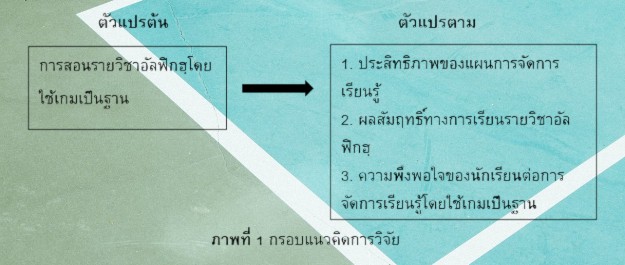
This research was an experimental study employing a one-group pretest–posttest design. The objectives were: (1) to develop and determine the effectiveness of game-based lesson plans for the al-Fiqh subject according to the 80/80 efficiency criterion; (2) to compare students’ learning achievement before and after instruction; and (3) to examine students’ satisfaction with the game-based learning process. The sample consisted of 36 students from Year 3/6 of the Intermediate Islamic Studies program during the second semester of the 2024 academic year at Attarkiyah Islamiyah School, selected through cluster random sampling. The research instruments included: (1) game-based lesson plans, (2) game-based learning achievement tests, and (3) a student satisfaction questionnaire. Data were collected through a pre-test, followed by game-based learning activities, and then a post-test along with a satisfaction survey. Data were analyzed using mean, standard deviation, and t-test statistics. The findings revealed that: (1) the game-based lesson plans in the al-Fiqh subject achieved an efficiency level of E1/E2 = 84.03/87.85, exceeding the 80/80 standard criterion; (2) students’ post-test learning achievement was significantly higher than their pre-test results at the .001 level of statistical significance; and (3) students reported a high level of satisfaction with the game-based learning approach, with a mean score of 4.50 and a standard deviation of 0.56.
Article Details

This work is licensed under a Creative Commons Attribution-NonCommercial-NoDerivatives 4.0 International License.
References
กระทรวงศึกษาธิการ. (2560). แผนการศึกษาแห่งชาติ พ.ศ.2560-2579. สำนักงานเลขาธิการสภาการศึกษา.
ไซฟูดิน เจ๊ะหะ, อับดุลรอแม สุหลง และมูหำมัดสุใหมี เฮงยามา (2565). การพัฒนาทักษะการคิดวิเคราะห์รายวิชาอัลฟิกฮฺโดยใช้เกมกล่องกฎหมายสำหรับนักเรียนชั้นประถมศึกษาปีที่ 4. มนารอ : วารสารประเด็นอิสลามร่วมสมัย, 3(1), 1-13.
ดาวประดับ เรืองศิริ. (2563). พัฒนาการสอนแบบใช้เกมเป็นฐาน ในรายวิชาคณิตศาสตร์ สังคมศึกษา ศาสนาและวัฒนธรรม และการออกแบบและเทคโนโลยี โดยใช้วิธีการจัดการเรียนการสอนแบบเกม ชื่อเกม “Vonder Go” สำหรับนักเรียนชั้นมัธยมศึกษาปีที่ 4/2 (รายงานวิจัย). สํานักงานเขตพื้นที่การศึกษามัธยมศึกษากาญจนบุรี.
วิไลวรรณ วิไลรัตน์. (2565). ผลการจัดการเรียนรู้โดยใช้เกมออนไลน์ภูมิศาสตร์ Seterra ร่วมกับ e-Learning ที่มีต่อผลสัมฤทธิ์ทางการเรียนและทัศนคติของนักศึกษาวิชาภูมิศาสตร์ภูมิภาคโลก (รายงานการวิจัย). คณะมนุษยศาสตร์และสังคมศาสตร์ มหาวิทยาลัยราชภัฏยะลา.
สมาคมนักเรียนเก่าอาหรับประเทศไทย. (2564). พระมหาคัมภีร์อัลกุรอานพร้อมคำแปลเป็นภาษาไทย. ศูนย์กษัตริย์ ฟะฮัด เพื่อการพิมพ์อัลกุรอานแห่งนครมาดีนะห์.
สำนักงานคณะกรรมการการศึกษาขั้นพื้นฐาน. (2566). รายงานผลสัมฤทธิ์ทางการเรียนวิชาอิสลามศึกษา ประจำปีการศึกษา 2565. กระทรวงศึกษาธิการ.
Ahmad, M., Hassan, A., & Aziz, N. (2022). The Effectiveness of Game-based Learning in Islamic Education: A Systematic Review and Meta-analysis. International Journal of Islamic Education, 6(36), 153-172.
al-Bukhari, Muhammad bin Ismail. (2018). Sahih al-Bukhari. Dar Ibnukasir.
Azizatunnisa, F., Sekaringtyas, T., & Hasanah, U. (2022). Pengembangan media pembelajaran interaktif game edukatif pada pembelajaran IPA kelas IV sekolah dasar. Optika: Jurnal Pendidikan Fisika, 6(1), 14-23.
Hasanah, U., & Tulianti, T. (2023). Implementasi game edukatif berbasis android sebagai media pembelajaran pengenalan huruf Hijaiyah pada RA AL-Basyari Sendang Mulyo Lampung Tengah. Jurnal Teknologi dan Sistem Informasi, 4(3), 356-362.
Khasanah, U., Sukmawati, F., Fatimah, M., & Mujibburohman. (2022). Pelatihan pembuatan media pembelajaran berbasis game bagi guru-guru Madrasah Ibtidaiyah. Jurnal Pengabdian Mandiri, 1(4), 605-610.
Kostas, A., Koutromanos, G., & Lagopati, I. (2025). Gamification in online adult learning: A systematic literature review. Journal of Information Technology Education: Research, 24, Article 022. https://doi.org/10.28945/5549
Mayer, R. E. (2014). The Cambridge Handbook of Multimedia Learning. Cambridge University Press
Raharjo, A. D., Putri, A. A., & Budi, H. R. (2024). The use of game-based learning to increase student engagement. Hipkin Journal of Educational Research, 1(3), 299-310.
Rezeki, S. (2024). Aplikasi Game Edukasi: Meningkatkan Pembelajaran dan Minat Belajar Remaja Di GGP Sanggabuana. Jurnal Silih Asih, 1(1), 9-16.
Sitorus, D. S., & Santoso, T. N. B. (2022). Pemanfaatan Quizizz sebagai media pembelajaran berbasis game pada masa pandemi COVID-19. Scholaria: Jurnal Pendidikan dan Kewarganegaraan, 12(2), 81-88.
Srimuliyani, S. (2023). Menggunakan teknik gamifikasi untuk meningkatkan pembelajaran dan keterlibatan siswa di kelas. EDUCARE: Jurnal Pendidikan dan Kesehatan, 1(1), 29-35.
