
วิเคราะห์แนวทางการพัฒนาสติพละในอายตนะตามหลักวิปัสสนาภาวนา
Article Sidebar
Main Article Content
บทคัดย่อ
การวิจัยนี้มีวัตถุประสงค์ 3 ประการ (1) เพื่อศึกษาสติพละในคัมภีร์พระพุทธศาสนาเถรวาท (2) เพื่อศึกษาสติพละในการเจริญวิปัสสนาภาวนา และ(3) เพื่อศึกษาแนวทางการพัฒนาสติพละด้วยการกำหนดรู้ทางอายตนะในการเจริญวิปัสสนาภาวนา เป็นการวิจัยเอกสาร เรียบเรียง บรรยายเชิงพรรณนา
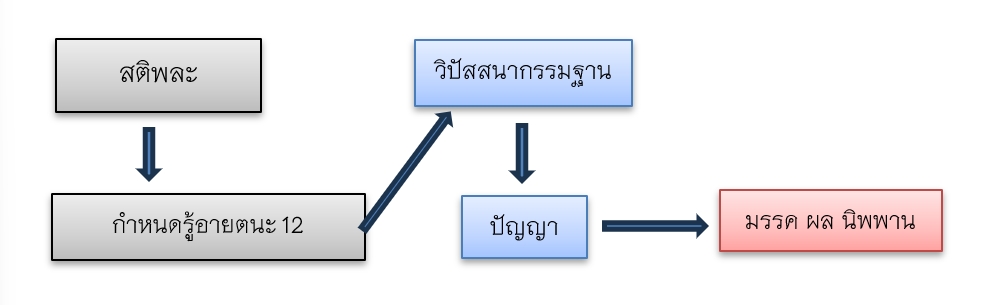
ผลการวิจัยพบว่า วิเคราะห์แนวทางการพัฒนาสติพละในอายตนะตามหลักวิปัสสนาภาวนาที่พบ คือ สติพละเป็นกำลัง หรือพลังของสติที่ช่วยให้ผู้เจริญสติบรรลุธรรมขั้นสูงสุดด้วยการสติที่ตั้งมั่น มั่นคง และไม่หวั่นไหวต่อกิเลสทั้งหลาย ผู้มีสติที่เป็นกำลังเป็นเครื่องรักษาตนอย่างยิ่ง สติเป็นความระลึกได้กำกับใจไว้กับกิจที่ทำ คำที่พูดได้แม้ระยะเวลาจะล่วงผ่านมานานแล้วนั้น การทำหน้าที่ของสติ คือ การดูแลหรือคอยกำกับจิต สตินั้นจะทำหน้าที่ในการพัฒนา และการมีกำลังเป็นสติพละได้นั้นจะต้องไม่หวั่นไหวในความประมาท คือ มีความระลึกได้ที่เป็นกำลังของสติต้านทานมิให้ความประมาทเลื่อนลอยเกิดขึ้นได้นั้น เพราะถ้าประมาทไม่พยายามให้รู้ตัวอยู่เสมอในขณะที่ทำพูดคิด สติจะไม่เกิดเป็นสติพละ เมื่อไม่มีพลังย่อมยากจะหยั่งรู้สภาวธรรม หรือยากที่จะข่มกิเลสได้ฉะนั้นจึงต้องฝึกสติให้มีกำลังในทุกอิริยาบถอย่างถูกวิธี สติจึงจะเกิดพลังขึ้นมาได้ การพัฒนาสติพละนั้น ต้องมีการสำรวมอินทรีย์ 12 เนื่องจากอายตนะภายนอกมากประจบกับอาตนะภายในจึงเกิดสภาวธรรมขึ้น อายตนะภายใน ได้แก่ จักขุ โสตะ ฆานะ ชิวหา กายะ วิญญาณ อายตนะภายนอก ได้แก่ รูป เสียง กลิ่น รส โผฏฐัพพะ ธัมมารมณ์ ผู้เจริญกรมมฐานจึงตามรู้สภาวธรรมที่เกิดขึ้นนั้นให้เท่าทัน เห็นความเป็นอนิจจัง ทุกขัง และอนัตตาอย่างละเอียดชัดเจน ตามหลักของไตรลักษณ์ จึงได้ชื่อว่า “รู้อารมณ์ทางอายตนะแห่งการเจริญวิปัสสนาภาวนา” เป็นหลักธรรมที่ช่วยให้ผู้ปฏิบัติได้เกิดปัญญาทำให้จิตเป็นสมาธิที่มั่นคงต่อสภาวธรรมที่มากระทบต่อการเจริญกรรมฐาน เป็นหลักธรรมที่จะนำไปสู่การพัฒนาปัญญาโดยการใช้สติพละแห่งการเจริญวิปัสสนา จนเกิดเป็นวิปัสสนาญาณ จนถึงความสิ้นไปแห่งทุกข์ทั้งปวงได้
Article Details

อนุญาตภายใต้เงื่อนไข Creative Commons Attribution-NonCommercial-NoDerivatives 4.0 International License.
เนื้อหาและข้อมูลในบทความที่ลงตีพิมพ์ในวารสาร มจร บาฬีศึกษาพุทธโฆสปริทรรศน์ถือเป็นข้อคิดเห็นและความรับผิดชอบของผู้เขียนบทความโดยตรงซึ่งกองบรรณาธิการวารสาร ไม่จำเป็นต้องเห็นด้วย หรือร่วมรับผิดชอบใด ๆ บทความ ข้อมูล เนื้อหา รูปภาพ ฯลฯ ที่ได้รับการตีพิมพ์ในวารสาร มจร บาฬีศึกษาพุทธโฆสปริทรรศน์ถือเป็นลิขสิทธิ์ของวารสาร มจร บาฬีศึกษาพุทธโฆสปริทรรศน์หากบุคคลหรือหน่วยงานใดต้องการนำทั้งหมดหรือส่วนหนึ่งส่วนใดไปเผยแพร่ต่อหรือเพื่อกระทำการใด ๆ จะต้องได้รับอนุญาตเป็นลายลักอักษรจากวารสาร มจร บาฬีศึกษาพุทธโฆสปริทรรศน์ก่อนเท่านั้น
เอกสารอ้างอิง
ระไตรปิฎกภาษาไทย ฉบับมหาจุฬาลงกรณราชวิทยาลัย. กรุงเทพมหานคร: โรงพิมพ์มหาจุฬาลงกรณราชวิทยาลัย, 2539.
__________ อรรถกถาภาษาบาลี ฉบับบมหาจุฬาอฏฺกถา. การุงเทพมหานคร: โรงพิมพ์มหาจุฬาลงกรณราชวิทยาลัย, โรงพิมพ์วิญญาณ, 2532-2534.
คณะกรรมการโครงการจัดสร้างพระไตรปิฎกนิสสยะ, พระไตรปิฎกนิสสยะ (ฉบับพิเศษ) มหาสติปัฏฐานสูตร, แปลโดยจำรูญ ธรรมดา. กรุงเทพฯ: ห้างหุ้นส่วนจำกัดประยูรสาส์นไทย การพิมพ์. 2554.
พุทธทาสภิกขุ. ธรรมะเล่มน้อย. พิมพ์ครั้งที่ 2. สุราษฎร์ธานี: ธรรมทานมูลนิธิ, 2538.
พระธรรมกิตติวงศ์ (ทองดี สุรเตโช ป.ธ.9, ราชบัณฑิต). พจนานุกรมเพื่อการศึกษาพุทธศาสน์. พิมพ์ครั้งที่ 4. กรุงเทพนคร: ธรรมสภาและสถาบันบันลือธรรม, 2548.
