
New Gen Hug Ban Kerd Season 2" Program: Communicating New Perspectives on the Agricultural Profession
Article Sidebar
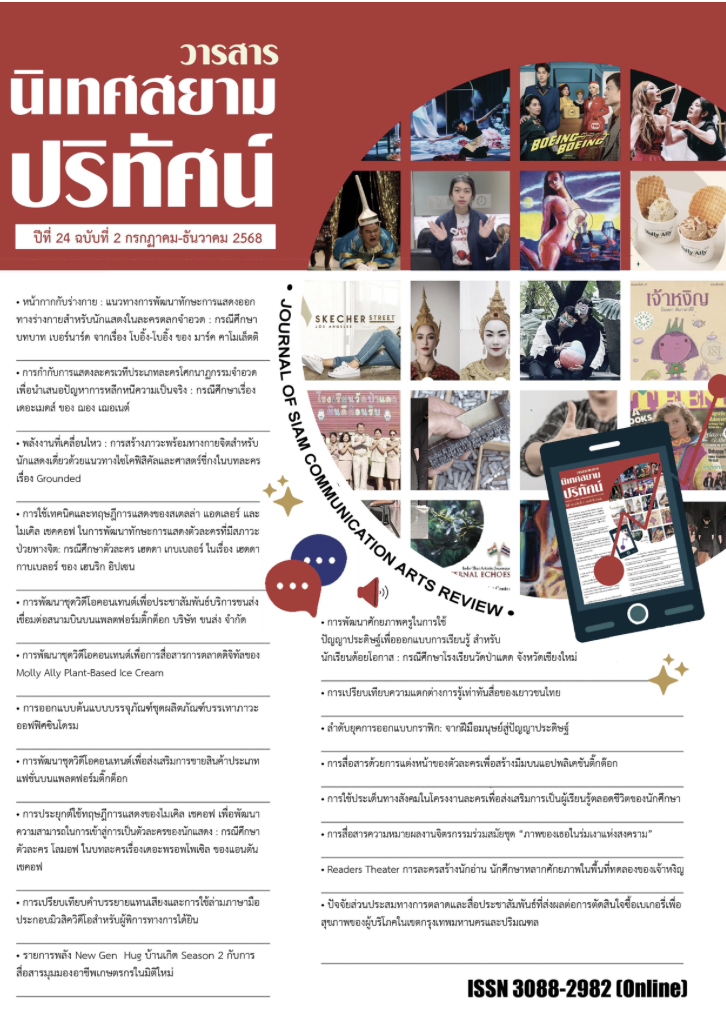
Main Article Content
Abstract
This research article is derived from the project evaluating the communication of "New Gen Hug Baan Kerd Season 2" campaign. The objective of this article is to present a new perspective from agencies linking to Thai agricultural professions, as communicated through the "New Gen Hug Baan Kerd Season 2" program produced by the Bank for Agriculture and Agricultural Cooperatives (BAAC). Data collection tools included quantitative methods (questionnaires) administered to 2,000 viewers across four regions: Northern, Northeastern, Southern, Central, Bangkok, and its vicinity. Qualitative data was collected through interviews with 80 individuals, comprising the 24 finalist teams and program viewers. The concepts and theories used for analysis are Critical Theory, Sustainable Well-being, Counter-hegemony/Slowbalization, Localism, and Social Capital.
Study results from viewer questionnaires reveal that the sample group found the reality and pitching program format effectively showcased modern agricultural practices, demonstrating their potential for generating income and providing a stable career. Viewers also reported being able to apply the advice gained, with an average score of 4.10 (High level). The communication of contestants' stories, including brands, products, services, and tourism, was perceived as clear, concise, interesting, and engaging, also with an average score of 4.10 (High level). Interviews with viewers indicated that they benefited significantly from watching the program, gaining new
perspectives on agricultural careers that can lead to stable and sustainable income, and contribute to the development of their local communities. Viewers expressed a desire for a change in broadcast time (currently aired on Amarin TV 34 HD at 9:30 AM), suggesting that an afternoon, evening, or nighttime slot would be more suitable.
Interview Findings: Top 24 Finalists: The 24 finalists interviewed stated that their primary reason for participating in the competition was to inspire younger generations to consider agriculture as a viable career path capable of building wealth and providing a stable future. The benefits they gained from participating included: Networking opportunities to expand their agricultural businesses. Utilizing feedback and insights from discussions with judges and fellow contestants to develop and improve their products and services. Transforming their land into educational sites and tourist attractions. Acquiring knowledge in environmentally friendly agricultural practices and the concept of zero waste. Following the broadcast, they reported increased recognition, which has led to job creation and career opportunities for people of all ages within their communities.
Article Details

This work is licensed under a Creative Commons Attribution-NonCommercial-NoDerivatives 4.0 International License.
References
กาญจนา แก้วเทพ. (2540). การศึกษาสื่อสารมวลชนด้วยทฤษฎีวิพากษ์ (Critical Theory) : แนวคิดและตัวอย่างงานวิจัย. โครงการวิทยานิพนธ์ สำนักทฤษฎีวิพากษ์ สำนักงานกองทุนสนับสนุนงานวิจัย (สกว.).
เกษตรครบวงจร. (ม.ป.ป.). Smart Farm คืออะไร การทำเกษตรอัจฉริยะ ควบคุมด้วยเทคโนโลยี. https://
]kas.siamkubota.co.th/knowledge/ประเภทองค์ความรู้/องค์ความรู้ทั่วไป/smart-farm/
เทคโนโลยีชาวบ้าน. (16 สิงหาคม 2567). รู้จัก Agritech การเกษตรสมัยใหม่ที่ใช้เทคโนโลยีเป็นตัวขับเคลื่อน. https://today.line.me/th/v3/article/JPmVvEJ.
ธนิกาญจน์ จินาพันธ์. (2552). โลกาภิวัตน์วัฒนธรรม: สื่อกับท้องถิ่นนิยมในวรรณกรรมไทยร่วมสมัย. (วิทยานิพนธ์ปริญญาดุษฎีบัณฑิต, จุฬาลงกรณ์มหาวิทยาลัย. CUIR. https://cuir.car.chula.ac.th/handle/123456789/36171
ปรีชา เปี่ยมพงศ์สานต์. (2567). ญาณวิทยาวิพากษ์ เพื่อการปรับเปลี่ยนระบบนิเวศสังคม (พิมพ์ครั้งที่ 2). โรงพิมพ์มหาวิทยาลัยขอนแก่น.
พัฒนา กิติอาษา. (2546). ท้องถิ่นนิยม Localism การทบทวนทฤษฎีและกรอบแนวคิด. กรุงเทพฯ: สำนักงานคณะกรรมการวิจัยแห่งชาติ, คณะกรรมการสภาวิจัยแห่งชาติ สาขาสังคมวิทยา.
พนิดา ภู่งามดี. (2566). บทวิพากษ์การอธิบายปรากฏการณ์ตามแนวปรัชญาที่ต่างกัน. วารสารมนุษยสังคมศาสตร์, 1 (1), 25-30.
รุ้งนภา ยรรยงเกษมสุข. (มปป.) โลกาภิวัตน์ ท้องถิ่นนิยม กับการโหยหาอดีต Globalization, Localism and Nostalgia. วารสารเศรษฐศาสตร์การเมืองบูรพา 2 (1), 1-15.
วิษฬาร์ ชีวะสาธน์. (2555). ความรับผิดชอบของธุรกิจต่อสังคมของชุมพรคาบาน่ารีสอร์ทกับการเพิ่มทุนทางสังคมของชุมชนสะพลี. วารสารวิจัยสังคม, 35 (1), 53-68.
สาธิต สูติปัญญา. (7 พฤศจิกายน 2024). รู้จัก Slowbalization เมื่อโลกาภิวัตน์หดตัวหนัก จากทรัมป์ America First. https://www.bangkokbiznews.com/business/economic/1152508.
สุพริศร์ สุวรรณิก. (ม.ป.ป.). โลกจะเปลี่ยนไปอย่างไร หลังวิกฤตโควิด-19 จบลง?. https://www.bot.or.th/th/research-and-publications/articles-and-publications/articles/Article_30Mar2020.html.
เสาวณีย์ เล็กบางพง และคณะ. (2565). รูปแบบการพัฒนาอาชีพเกษตรผใผสานวิถีชีวิตของเกษตรกรรุ่นใหม่ต้นแบบในจังหวัดนครศรีธรรมราช. วารสารวิจัยรำไพพรรณี, 16 (3), 133 -142. https://so05.tci- thaijo.org/index.php/RRBR/article/view/262306.
