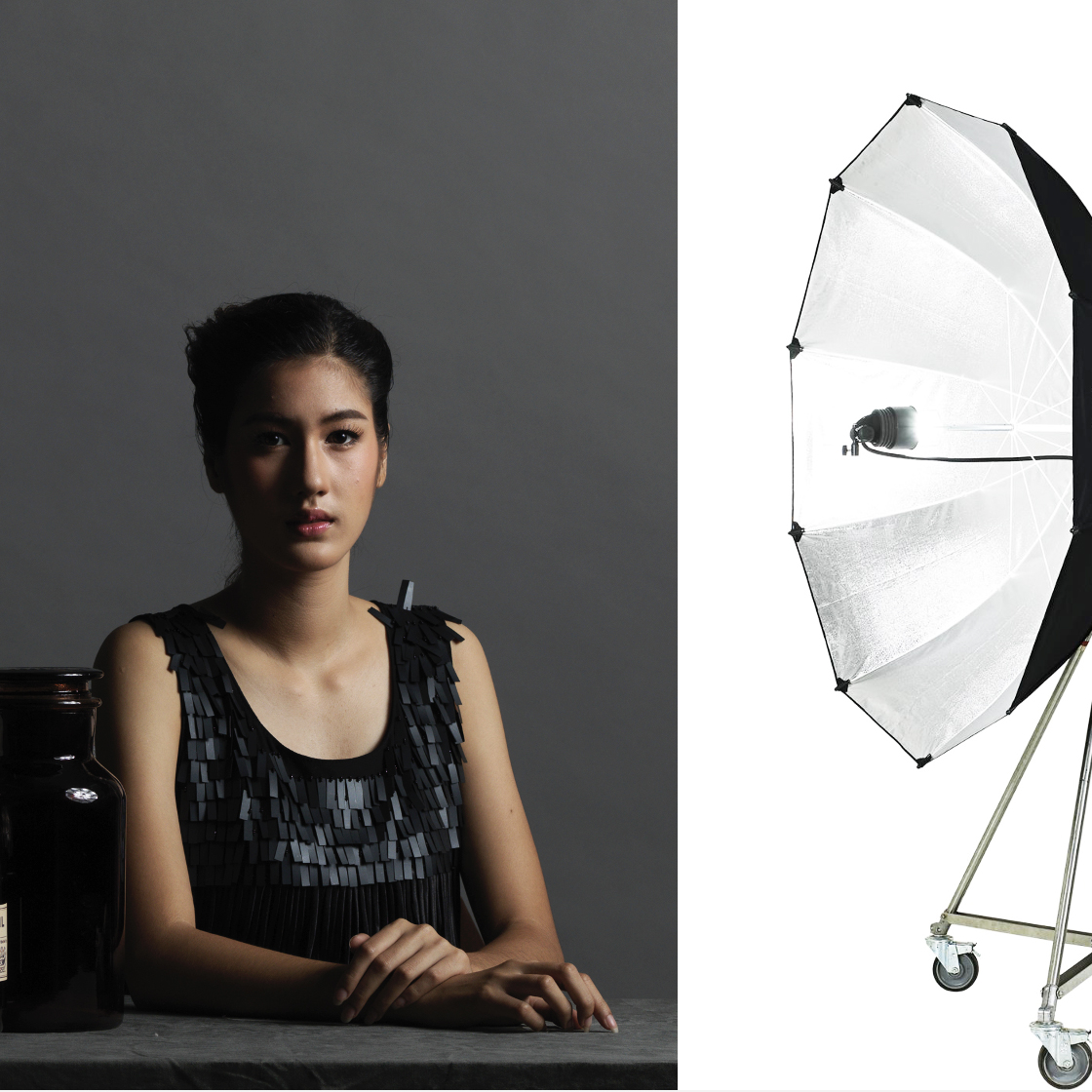
The Production and the Assessment of Instructional Materials Regarding the Effect of Changing Light in Portrait and Still Life Photography, When Choosing Different Light Shaping Tools
Keywords:
Curriculum Development, Portrait Photography, Studio Lighting, Instructional Material, FlashAbstract
Photographic technology has developed considerably in the modern era of constant innovations, as photography educational course concepts and methods require updating to remain comprehensive and efficient. This research examined links between knowledge about studio lighting with advanced portrait and advertising techniques. The goal is to help formulate guidelines for teaching and learning about portrait photography. New teaching media were developed, based on extent traditional procedures by following Gagne's model of instructional design to create a learning process for quickly understanding and permanently retaining new lessons.
The research scope covered step-by-step issues, such as prototype photographic production showing portrait light alterations and still life after attaching accessories to the front of flash lighting, preparing lecture presentations, designing questionnaires for evaluation, and managing online teaching by Zoom with experimental still images as samples combined with narrative contents as slide presentations. 35 samples were photography students chosen by targeted sampling who had studied lighting theory fundamentals. After the teaching process and questionnaire were completed, satisfaction was assessed according to Gagne’s theory. Most assessment results were at a highest favorable level. These findings suggest that guidelines for developing media and teaching approaches should be suitable for learners in content and methodically, helping students to understand lighting clearly. This step-by- step process may lead to further advanced learning and be developed into teaching media modern applications (apps).
References
ข้อมูลหลักสูตรสาขาการถ่ายภาพ. (2565). สืบค้น 1 มิถุนายน 2565, จาก https://www.aad. kmitl.ac.th/communication-art/b-phot
ชนาธิป พรกุล. (2555). การออกแบบการสอน การบูรณาการ การอ่าน การคิดวิเคราะห์และการเขียน. กรุงเทพฯ : จุฬาลงกรณ์มหาวิทยาลัย.
ไพฑูรย์ สินลารัตน์. (2529). จะสอนบรรยายไม่ง่ายเหมือนที่คิด. กรุงเทพฯ : มหาวิทยาลัย ธรรมศาสตร์.
ไพฑูรย์ สินลารัตน์. (2563). หลักและเทคนิคการสอนระดับอุดมศึกษาจากการบรรยายแบบประเพณีโบราณสู่การสอนแบบไม่สอน. กรุงเทพฯ : จุฬาลงกรณ์มหาวิทยาลัย.
ทิศนา แขมมณี. (2554). รูปแบบการเรียนการสอน : ทางเลือกที่หลากหลาย. กรุงเทพฯ : จุฬาลงกรณ์มหาวิทยาลัย.
สำนักงานคณะกรรมการการศึกษาแห่งชาติ. (2545). พระราชบัญญัติการศึกษาแห่งชาติ 2542 และที่แก้ไขเพิ่มเติม. (พิมพ์ครั้งที่ 2). กรุงเทพฯ : สำนักงานเลขาธิการสภาการศึกษา กระทรวงศึกษาธิการ.
เอกสารประกอบการสอนวิชา Lighting Theory 1 (1997). Brooks Institute of photography, Santa Barbara, California.
Gagne, R. (1985). The conditions of learning and theory of instruction Robert Gagné. New York, NY : Holt, Rinehart ja Winston.
Hunter, F., Biver, S., Fuqua, P., & Reid, R. (2021). Light–Science & Magic : An Introduction to Photographic Lighting. Routledge.
Hince, P. (2011). The Portrait Lighting Reference. East Sussex : UK : The ILEX Press.
Gatcum, C. (2014). Light and Shoot 50 Fashion Photos. Routledge.
London, B., Stone, J., & Upton, J. (2016). Photography. Pearson. New Jersey, USA