Chang Pha: Concepts from Cultural Landscapes through Creative Processes in New Contexts
Chang Pha: Concepts from Cultural Landscapes through Creative Processes in New Contexts
Keywords:
Chang Pha, Cultural Landscape, New ContextAbstract
This article is composed to discuss the methodology and concepts of the creative work titled "Charming Chang Pha," which is part of the research on "Cultural Landscape: Designing Sustainable Communities from the Core Philosophy of the Sufficiency Economy, a Case Study of the Ban Moh Luang Community in Lampang Province." The study involved the collection and analysis of data from both documentary sources and on-site observations within the Ban Moh Luang community in Lampang Province.
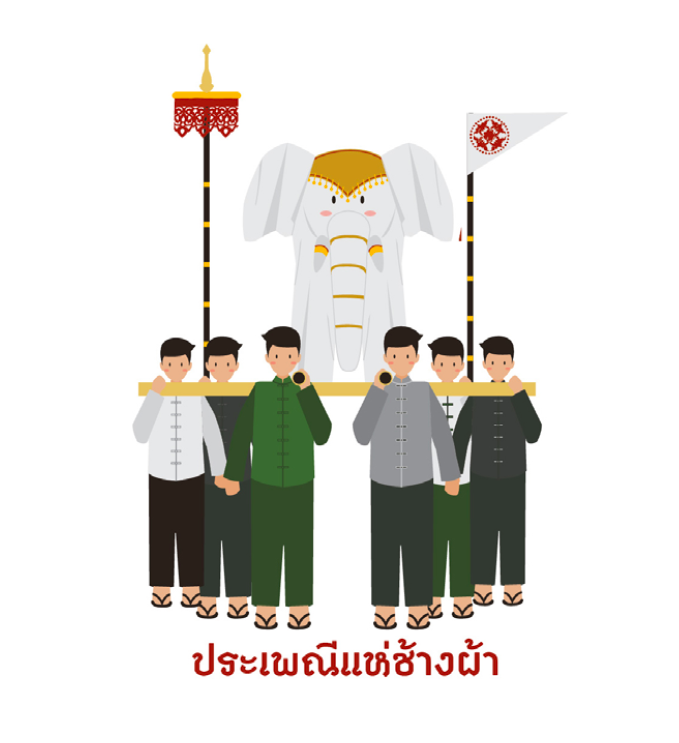
The community has significant traditional customs, particularly an annual ceremony held during the Songkran festival. This ritual, rooted in the geographical history of the Thai-Lue ethnic group, originated during the period of timber trade with foreign nations. It commemorates the gratitude towards elephants, which played a crucial role in livelihoods. This tradition has been passed down through generations, believed to bring prosperity and unity to the community.
The article explores the transmission of beliefs and practices over time, evolving into an identity for the Maoluang villagers. It serves as a connection between cultural landscape elements, incorporating historical, geographical, ethnic, and lifestyle aspects, as well as the pride of the Maoluang community. The transfer of wisdom and local materials to the symbolic figure of the elephant represents faith, cooperation, and the community's spiritual center. The three-dimensional artwork "Charming Chang Pha" is sculpted from bamboo and serves as an artistic medium for conveying these cultural nuances.
The installation was exhibited in the "Enchanting Charms" art exhibition at the Bann Chao Phraya Art Gallery, providing an opportunity to evaluate the degree to which the objectives and hypotheses were met. Surveys conducted with exhibition visitors revealed that 92.1% were previously unfamiliar with the Chang Pha procession tradition. Furthermore, 59.5% believed that the artwork accurately reflected the creator's conceptualization, and 60.5% found the artwork intriguing. These findings indicate the success of the interaction, perception, and involvement of visitors from outside the community in this new context.
References
เอกสารอ้างอิง
กานดา คำลือสาย. (2554). แนวทางการส่งเสริมการอนุรักษ์วัฒนธรรมประเพณีการแห่ช้างผ้า กรณีศึกษา บ้านเมาะหลวง หมู่ที่ 8 ตำบลแม่เมาะ จังหวัดลำปาง [วิทยานิพนธ์รัฐศาสตรมหาบัณฑิต]. มหาวิทยาลัยสุโขทัยธรรมาธิราช.
เกรียงไกร เกิดศิริ. (2551). ชุมชนกับภูมิทัศน์วัฒนธรรม. สำนักพิมพ์อุษาคเนย์.
คาเรน ที. ลิตฟิน. (2563). Ecovillages: Lessons for Sustainable Community [ชุมชนนิเวศวิถี บทเรียนเปลี่ยนชีวิตและโลก]. สำนักพิมพ์ อินี่บุ๊คส์.
ชูศักดิ์ วิทยาภัค. (2561). นิเวศวิทยามนุษย์: การศึกษาสิ่งแวดล้อมในมิติของสังคมและวัฒนธรรม. ศูนย์บริหารงานวิจัย มหาวิทยาลัยเชียงใหม่
พินัย วิลัยทอง. (2557). การศึกษาประเพณีแห่ช้างผ้า ชุมชนเมาะหลวง อำเภอแม่เมาะ จังหวัดลำปาง เพื่อการอนุรักษ์และสืบสานอย่างมีส่วนร่วมของภาคประชาสังคม [วิทยานิพนธ์ศิลปศาสตรมหาบัณฑิต]. มหาวิทยาลัยเชียงใหม่
รวงทอง รักษ์สกุล. (ม.ป.ป.). ตำนานช้างผ้าบ้านเมาะหลวง. หนังสืออ่านเพิ่มเติม กลุ่มสาระการเรียนรู้ ศิลปะ (นาฏศิลป์).
ลิขิต เครือบุญมา. (2562). ประเพณีแห่ช้างผ้าและหอผ้า เมืองเมาะ นครลำปาง. https://www.facebook.com/muangmohlampang
ศรีศักร วัลลิโภดม. (2551). คู่มือฉุกคิด ความหมายของภูมิวัฒนธรรม การศึกษาจากภายในและสำนึกของท้องถิ่น. มูลนิธิเล็ก-ประไพ วิริยะพันธุ์.
ศรีศักร วัลลิโภดม. การศึกษาสังคมไทยผ่านภูมิวัฒนธรรม. http://lek-prapai.org/watch.php?id=84.
ศูนย์วัฒนธรรมจังหวัดเชียงใหม่ สถาบันราชภัฏเชียงใหม่. (2538).ตำนานพื้นเมืองเมืองเชียงใหม่ ฉบับเชียงใหม่ 700 ปี. โรงพิมพ์มิ่งเมือง.
สมคิด วงค์ษา. (ม.ป.ป.). บ้านเมาะหลวง [หนังสืออ่านเพิ่มเติม กลุ่มสาระการเรียนรู้ภาษาไทย].
สุชาติ เถาทอง. (2559). ศิลปะวิจัย สร้างวิชาการแบบการปฏิบัติสร้างสรรค์ศิลปะ. จรัญสนิทวงศ์การพิมพ์.
อนุวัฒน์ การถัก และทรงยศ วีระทวีมาศ. (2558). ภูมิทัศน์วัฒนธรรม: ความหมาย พัฒนาการทางแนวคิดและทิศทางการศึกษาวิจัย. วารสารวิชาการ คณะสถาปัตยกรรมศาสตร์ มหาวิทยาลัยขอนแก่น, 14(2), 5.
อารี สุทธิพันธุ์. (2535). ศิลปะนิยม (พิมพ์ครั้งที่ 4). โอ.เอส.พริ้นติ้งเฮาส์.
Christiane Paul. (2003). Digital Art(World of Art). Thames & Hudson Inc.