The Study of the Artistic Identity of the Lion Dance to Enhance the Lion Dance Performance Skills in Thonburi Area
Keywords:
artistic lion dance identity, ion performance at Thonburi area, Lion dance performanceAbstract
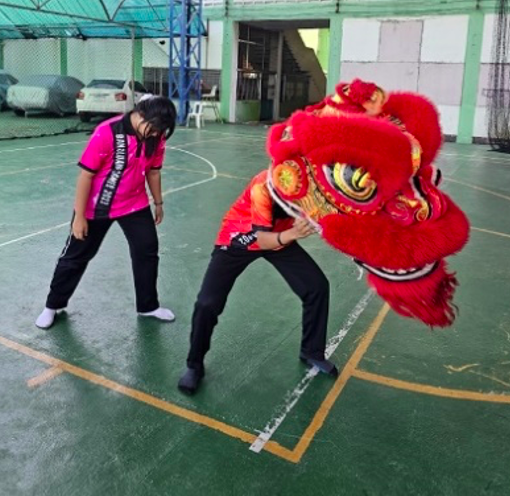
The research aims to study the artistic identity of the lion dance through the Thonburi architectural components illustrated in Wat Intharam temple and the local community's shrine. Additionally, the study attempts to enhance the lion dance skills of young people in Talad Plu and the Wat Intharam community.Research ResultsThe identity of Thonburi's lion dance art is reflected through the architecture of Wat Intharam and community shrines, which are prominent in the cultural blend of Chinese beliefs and traditions. Examples include the Guan Yu Shrine, Kian An Keng Shrine, Pho Phloeng Shrine, Ma Aneow Shrine, Kalayanamitr Temple, and Wat Intharam. The Thonburi lion dance combines the Fo Shan and He Shan styles, known collectively as the "Guangdong Lion Dance," which serves to worship and bless deities for auspiciousness. This tradition originated during the Han, Wei, Tang, and Ming dynasties in Guangdong Province and continues to the present day. The lion dance styles include ground lion, stack lion, and pole lion performances. The lion heads come in various sizes, ranging from sizes 0 to 4, with two main forms: Fo Shan and He Shan. The lion heads are available in various colors and patterns, such as multicolored yellow, black and white, red and black, green and black, yellow and black, and blue and black. The identity of Thonburi's lion dance art is highly valued for its aesthetics. Performers find joy and value in the dance, which symbolizes good fortune, while the audience perceives it as a form of receiving blessings. Additionally, it holds social value.In developing lion dance skills for students and youth in the Wat Intharam and Talat Phlu communities, participants effectively learned and practiced the He Shan ground lion dance. They gained an understanding of movement techniques and coordination between the head and tail performers, demonstrating agility and an impressive, lively performance. They also acquired knowledge about the stories and meanings behind the lion dance, including deity worship and auspicious blessings. Through teamwork and mutual support, students and youth enhanced their confidence and performance skills. As a result, students and youth in the Wat Intharam and Talat Phlu communities can utilize these skills effectively in community performances and activities, fostering pride in Thonburi's local culture and performing arts.
References
เจริญ ตันมหาพราน. (2541). ชมประเพณีพิสดาร. ธารบัวแก้ว.
เตชสิทธิ์ รัศมีวงศ์พร. (2562). การพัฒนาองค์ความรู้วัฒนธรรมไทย-จีน เพื่อยกระดับชุมชนย่านธนบุรีเป็นชุมชนท่องเที่ยวเชิงสร้างสรรค์. สําานักงานคณะกรรมการส่งเสริมวิทยาศาสตร์ วิจัยและนวัตกรรม (สกสว.).
ธัญธัช วิภัติภูมิประเทศ. (2558). การเชิดสิงโต: การแสดงในวัฒนธรรมจีนและกีฬาระดับนานาชาติ. วารสารวิจัยมหาวิทยาลัยเทคโนโลยีราชมงคลศรีวิชัย, 7(2), 81-93.
ประภาวดี นิลศิริ. (2556). การเปลี่ยนแปลงเชิงสัณฐานของชุมชนย่านคลองสาน ธนบุรี [วิทยานิพนธ์ ปริญญาสถาปัตยกรรมศาสตรมหาบัณฑิต, จุฬาลงกรณ์มหาวิทยาลัย].
พรพิพัฒณ์ ราชกิจกําาาธร, สุภาวดี โพธิเวชกุล. (2565). การเชิดสิงโต :ศิลปะการแสดงวัฒนธรรมย่านฝั่งธนบุรี. ศิลปกรรมสาร, 15(2), 71-88.
อชิรัชญ์ ไชยพจน์พานิช. (2561). ศาลเจ้าจีนในกรุงเทพฯ. มติชน.