
An Emptiness (Suññata) in the view of Buddhadāsa Bhikkhu
Article Sidebar
Main Article Content
Abstract
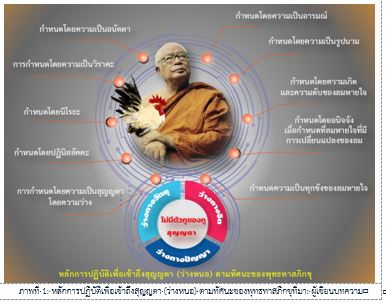
This academic article aims to study emptiness (Suññata) from the perspective of BuddhadāsaBhikkhu. By using the framework of studying the Tipiṭaka and commentaries to point out the principles and methods of emptiness, which can be applied to the concept of Buddhadāsa Bhikkhu through a comparative analysis and teachings in the Tipiṭaka. The results of the study revealed that the Buddha taught about reaching emptiness that one should hold on to it simply without clinging to it as a self. When one can do this, one will reach the emptiness that is said to be. Then, one will have no and see the result of this emptiness as the end of suffering or the end of this brahmacharya. From the perspective of Buddhadāsa Bhikkhu, emptiness refers to the state of mind that is empty of defilements, especially empty of the feeling of being a self, a being, a person, us, or them. The state of not having the feeling of being a self or belonging to oneself is called emptiness. It is a person who does not cling to anything as me or mine, empty of me or mine. He emphasized the principle of reaching emptiness, which focuses on contemplating emotions that rely on the five aggregates and mental formations through the method of paticangkhanupassanā-ñāna, as empty. He considered that That thing has no self in what is determined, it is empty of self, until finally there is only the word "empty", seeing everything as emptiness, that is, as Anattā, there is no us or them, there is only the state of form and name, so as not to cling to the five aggregates of form and name, which are considered the ego, me and mine, and finally to let go, that is, not to be selfish (me and mine), so as to know how to share and help one another, so that society can live happily, considering the benefit of the whole more than personal benefit.
Article Details

This work is licensed under a Creative Commons Attribution-NonCommercial-NoDerivatives 4.0 International License.
เรื่องลิขสิทธิ์/เป็นความคิดเห็นของผู้เขียน
References
เอกสารอ้างอิง
หนังสือ:
พุทธทาส ภิกขุ. (2504). แก่นพุทธศาสน์. กรุงเทพมหานคร: ธรรมสภา.
พุทธทาส ภิกขุ. (2505). คำสอน ฮวงโป. กรุงเทพนมหานคร: ธรรมสภา.
พุทธทาส ภิกขุ. (2517). เอกสารชุดมองด้านใน อันดับ 26 จิตประภัสสร – จิตเดิมแท้ – จิตว่างเหมือนกันหรืออย่างไร. กรุงเทพมหานคร: คณะเผยแพร่วิธีการดำเนินชีวิตอันประเสริฐ.
พุทธทาส ภิกขุ. (2518). ฆราวาสธรรม. กรุงเทพมหานคร: ธรรมทานมูลนิธิ.
พุทธทาส ภิกขุ. (2519). สุญญตาปริทรรศน์ เล่ม 2. สุราษฎร์ธานี: ธรรมสภา.
พุทธทาส ภิกขุ. (2533). จิตว่างในชีวิตประจำวัน. กรุงเทพมหานคร: รุ่งแสงการพิมพ์.
พุทธทาส ภิกขุ. (2538). คู่มือมนุษย์ฉบับสมบูรณ์. กรุงเทพมหานคร : ธรรมสภา.
พุทธทาส ภิกขุ. (2538). โอสาเรตัพพธรรม. พิมพ์ครั้งที่ 3. กรุงเทพมหานคร: ธรรมทานมูลนิธิ.
พุทธทาส ภิกขุ. (2541). สุญญตาปริทรรศน์. สุราษฎร์ธานี: ธรรมทานมูลนิธิจัดพิมพ์.
พุทธทาส ภิกขุ. (2548). การปฏิบัติเพื่อความมีจิตว่าง. กรุงเทพมหานคร: ไพลิน.
พุทธทาส ภิกขุ. (2549). บวชทําไม. พิมพ์ทั้งที่ 3. กรุงเทพมหานคร: สุขภาพใจ.
พุทธทาส ภิกขุ. (2549). วิธีปฏิบัติเพื่อเป็นอยู่ด้วยความว่าง. กรุงเทพมหานคร: ไพลิน.
พุทธทาส ภิกขุ. (2554). สุญญตาธรรมฉบับย่อ โดยภิกขุ ฉ.ช.วิมุตตยานันทะ. กรุงเทพมหานคร: สํานักพิมพ์สุขภาพใจ.
พุทธทาส ภิกขุ. (ม.ป.ป.) ชุมนุมธรรมบรรยายเรื่องความว่าง. กรุงเทพมหานคร: ธรรมสภา.
มหาวิทยาลัยมหาจุฬาลงกรณราชวิทยาลัย. (2539). พระไตรปิฎกฉบับภาษาไทย ฉบับมหาจุฬาลงกรณราชวิทยาลัย. กรุงเทพมหานคร: โรงพิมพ์มหาจุฬาลงกร-ณราชวิทยาลัย.
มหาวิทยาลัยมหาจุฬาลงกรณราชวิทยาลัย. (2556). อรรถกถาภาษาไทย ฉบับมหาวิทยาลัยมหาจุฬาลงกรณราชวิทยาลัย. กรุงเทพมหานคร: โรงพิมพ์มหาจุฬาลงกรณราชวิทยาลัย.
สนั่น ไชยานุกูล. (2524). ปรัญชาอินเดีย. กรุงเทพมหานคร: โรงพิมพ์การศาสน.
อรุณ เวชสุวรรณ. (2527). วิวาทะระหว่าง ม.ร.ว.คึกฤทธิ์ ปราโมช กับพุทธทาสภิกขุภิกขุ. กรุงเทพมหานคร: แพร่พิทยา.
หนังสือแปล :
พระพุทธโฆสะเถระ. (2554). คัมภีร์วิสุทธิมรรค. แปลและเรียบเรียงโดยสมเด็จพระพุฒาจารย์ (อาจ อาสภมหาเถร). พิมพ์ครั้งที่ 10. กรุงเทพมหานคร: ธนาเพรส.
Reference
Book:
Buddhadasa Bhikkhu. (1961). The Essence of Buddhism. Bangkok: Thammasapha.
Buddhadasa Bhikkhu. (2005). Practice for an empty mind. Bangkok: Pailin.
Buddhadasa Bhikkhu. (1961). The Essence of Buddhism. Bangkok: Dhammasabha.
Buddhadasa Bhikkhu. (1962). Teachings of Huang Po. Bangkok: Dhammasabha.
Buddhadasa Bhikkhu. (1995). The Complete Human Manual. Bangkok: Thammasapha.
Buddhadasa Bhikkhu. (1975). The virtues for a good household life. Bangkok: Dharmadana
Foundation.
Buddhadasa Bhikkhu. (1990). Empty mind in daily life. Bangkok: Rungsang Printing
Buddhadasa Bhikkhu. (n.d.) Dharma Assembly lectures on emptiness. Bangkok: Dharmasapha.
Buddhadasa Bhikkhu. (2006). Why Ordain?. 3rd printing. Bangkok: Sukhaphai Jai.
Buddhadasa Bhikkhu. (2006). How to practice to live with emptiness. Bangkok: Pailin.
Buddhadasa Bhikkhu. (2011). Abridged version of the Suññata Dharma by Bhikkhu Ch. C. Vimuttananda. 2nd printing. Bangkok: Sukhaphai Jai Publishing House.
Buddhadasa Bhikkhu. (1998). Suññata Paritta. Surat Thani: Dhammadana Foundation Publisher.
Buddhadasa Bhikkhu. (1976). Suññata Paritta Volume 2. Surat Thani: Dhammasabha.
Buddhadasa Bhikkhu. (1974). The 26th set of documents: Looking Inside: The Radiant Mind - The Original Mind - Is the Empty Mind the Same?. Bangkok: The Noble Way of Living Dissemination Group.
Buddhadasa Bhikkhu. (1995). Osaretapphadham. 3rd printing. Bangkok: Dhammadana Foundation.
Mahachulalongkornrajavidyalaya. (2539). Thai Tripitaka Mahachulalongkornrajavidyalaya. Bangkok: MCU Press.
Mahachulalongkornrajavidyalaya. (2558). Commentaries Thai Tripitaka. MahachulalongkornraJavidyalaya. Bangkok: MCU Press.
Sanan Chaianukul. (1981). Indian Philosophy. Bangkok: Religious Printing House.
Translated Books :
Buddhaghosa Thera. (2011). Visuddhimagga. Translated and compiled by Somdej Phra Phutthacharn (Ajarn Asabhamahathera). 10th edition. Bangkok: Thanapress
