
The Contemplation of Contact as a Nutriment for Overcoming Fetters in the Buddhist Perspective
Article Sidebar
Main Article Content
Abstract
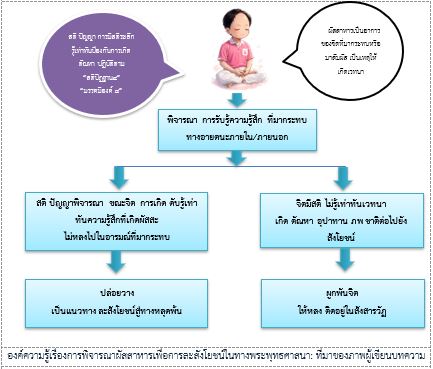
This article aims to study the process of the arising and cessation of defilements through Phassahara, or the contact between internal and external sense bases (Ayatana). Such contact is not merely sensory perception but a critical starting point in the process of suffering (Dukkha) according to the Principle of Dependent Origination (Paticcasamuppada). Without the governance of mindfulness (Sati) and wisdom (Panna), contact leads to feeling (Vedana), craving (Tanha), and clinging (Upadana), eventually manifesting as the Ten Fetters (Samyojana) that bind beings to the cycle of birth and death (Vattasamsara). The process of eradicating these fetters relies on the practice of the Four Foundations of Mindfulness and the Noble Eightfold Path. The findings reveal that contemplating contact according to reality—by remaining detached from sensory impacts and gradually letting go—yields benefits in five key dimensions: 1) Wisdom Understanding the causal relationships within the mind. 2) Dhamma Practice Providing a framework for mindfulness to eliminate fetters. 3) Buddhist Psychology Understanding the mechanisms of feeling and craving 4) Life Development Living with tranquility and reduced attachment 5) Social and Ethical Enhancing loving-kindness and interpersonal relationships through emotional awareness. This study highlights that the practice for liberation can be integrated into daily life through the mindful awareness of sensory contact.
Article Details

This work is licensed under a Creative Commons Attribution-NonCommercial-NoDerivatives 4.0 International License.
เรื่องลิขสิทธิ์/เป็นความคิดเห็นของผู้เขียน
References
Reference
Book :
Phra Dharmapitaka (P.A. Payutto). (2003). Dictionary of Buddhist Studies: A Compilation of Dhamma. 12th edition. Bangkok: Sahadhammik Co., Ltd.
Phra Brahmagunabporn (P.A. Payutto). (2014). Dictionary of Buddhist Studies: A Compilation of Dhamma, 27th edition, (Bangkok: Mahachulalongkornrajavidyalaya University Press.
Mahachulalongkornrajavidyalaya University. (2539). Thai Tripitaka: Mahachulalongkornrajavidyalaya University. Bangkok: Mahachulalongkornrajavidyalaya University Press.
Thesis :
Phra Somsak Manisalo (Deesamer). (2022). An Application of Mahasatipatthana to Develop Youth in Integrated Buddhist School in Nakhonratchasima Province. Doctor of Philosophy A Dissertation in Buddhist Studies. Graduate School Mahachulalongkornrajavidyalaya University
Phra Palad Kamphon Panyawuttho. (2019). An Analytical Study of Kamma of Thevatatta in Theravada Buddhism. A Thesis Master of Arts Buddhist Studies Graduate School Mahachulalongkornrajavidyalaya University.
Phramaha Kraivan Jinadattiyo (Punnakhan). (2003). An Analytical Study of the Roles of Devadatta Bhikkhu as Found in The Buddhist Texts. A Thesis Master of Arts Buddhist Studies Graduate School, Mahachulalongkornrajavidyalaya University.
Journal :
PhrakruSamuChaiyapon Sopano. (May – August 2024). Vipassana Medition Practice Model Base on Satipatthana 4 For Awareness Awakening And Happiness of The Internation Vipassana Meditation Center Wat Mahathatyuwarattrangsarir Bangkok. Journal of
Buddhist Innovation Review. 5(2); 23-24.
PhramahaAbhisit Viriyo (Chodnok). (September – December 2024). The Elderly Happiness Supporting model to Buddhist integration in Buriram Province. Journal of Buddhist Innovation Review. 5(3); 157-158.
Saranya Boonterm. (May – August 2024). The Mindfulness Development Process for Youths of Ban Nai Phol school By Buddhist Peaceful Means. Journal of Buddhist Innovation Review. 5(2); 23-24.
เอกสารอ้างอิง
หนังสือ :
พระธรรมปิฎก (ป.อ. ปยุตฺโต). (2546). พจนานุกรมพุทธศาสตร์ ฉบับประมวลธรรม. พิมพ์ครั้งที่ 12. กรุงเทพมหานคร: บริษัท สหธรรมิก จำกัด.
มหาจุฬาลงกรณราชวิทยาลัย. (2539). พระไตรปิฎกภาษาไทย ฉบับมหาจุฬาลงกรณราชวิทยาลัย. กรุงเทพมหานคร: โรงพิมพ์มหาจุฬาลงกรณราชวิทยาลัย.
บทความ :
พระครูสมุห์ชัยพล โสภโณ. (พฤษภาคม-สิงหาคม 2568). รูปแบบการปฏิบัติวิปัสสนากรรมฐานตามแนวสติปัฏฐาน4 เพื่อการรู้ ตื่น เบิกบานของศูนย์ปฏิบัติวิปัสสนากรรมฐาน นานาชาติ วัดมหาธาตุยุวราชรังสฤษฎิ์. กรุงเทพมหานคร. วารสารพุทธนวัตกรรมปริทรรศน์. 5(2); 23-24.
พระมหาอภิสิทธิ์ วิริโย (จอดนอก). (กันยายน-ธันวาคม 2567). รูปแบบการเเสริมสร้างความผาสุกของผู้สูงอายุในจังหวัดบุรีรัมย์เชิงพุทธบูรณาการ. วารสารพุทธนวัตกรรมปริทรรศน์. 5(3); 157-158.
สรัญญา บุญเติม. (พฤษภาคม-สิงหาคม 2567). กระบวนการพัฒนาสติสำหรับเยาวชน ของโรงเรียนบ้านนายผลโดยพุทธสันติวิธี. วารสารพุทธนวัตกรรมปริทรรศน์. 5(2); 87.
วิทยานิพนธ์ :
พระสมศักดิ์ มนิสฺสโร (ดีเสมอ). (2022) การประยุกต์หลักสติปัฏฐานเพื่อพัฒนาเยาวชนในโรงเรียนวิถีพุทธในจังหวัดนครราชสีมา. ดุษฎีนิพนธ์พุทธศาสตรดุษฎีบัณฑิต สาขาวิชาพระพุทธศาสนา บัณฑิตวิทยาลัย มหาวิทยาลัยมหาจุฬาลงกรณราชวิทยาลัย.
พระปลัดกำพล ปญฺญาวุฑฺโฒ. (2562). ศึกษาวิเคราะห์กรรมของพระเทวทัตที่ปรากฏในพระพุทธศาสนาเถรวาท. วิทยานิพนธ์พุทธศาสตรมหาบัณฑิต สาขาวิชาพระพุทธศาสนา บัณฑิตวิทยาลัย มหาวิทยาลัยมหาจุฬาลงกรณราชวิทยาลัย.
พระมหาไกรวรรณ ชินทตฺติโย (ปุณขันธ์). (2546). การศึกษาวิเคราะห์บทบาทของพระเทวทัตที่ปรากฏในคัมภีร์พระพุทธศาสนา. วิทยานิพนธ์พุทธศาสตรมหาบัณฑิต สาขาวิชาพระพุทธศาสนา บัณฑิตวิทยาลัย มหาวิทยาลัยมหาจุฬาลงกรณราชวิทยาลัย.
