
รูปแบบการบริหารจัดการศูนย์ศึกษาพระพุทธศาสนาวันอาทิตย์ที่มีประสิทธิผล สังกัดกรมการศาสนากระทรวงวัฒนธรรม ภาคอีสานตอนล่าง
Article Sidebar
Main Article Content
บทคัดย่อ
การวิจัยนี้มีวัตถุประสงค์ 1) เพื่อศึกษาแนวทางการบริหารจัดการศูนย์ศึกษาพระพุทธศาสนาวันอาทิตย์ ภาคอีสานตอนล่าง 2) เพื่อสร้างและพัฒนารูปแบบการบริหารจัดการศูนย์ศึกษาพระพุทธศาสนาวันอาทิตย์ที่มีประสิทธิผล ภาคอีสานตอนล่าง 3) เพื่อประเมินความเป็นไปได้และความเป็นประโยชน์ของรูปแบบการบริหารจัดการศูนย์ศึกษาพระพุทธศาสนาวันอาทิตย์ที่มีประสิทธิผล เขตภาคอีสานตอนล่าง เครื่องมือที่ใช้เป็นแบบสัมภาษณ์แบบมีโครงสร้าง สัมภาษณ์ผู้อำนวยการศูนย์ศึกษาพระพุทธศาสนาวันอาทิตย์ ศูนย์ ๆ ละ 1 รูป และครูผู้สอนศูนย์ ๆ ละ 2 รูป/คน รวม 15 รูป/คน การสนทนากลุ่มจากผู้ทรงคุณวุฒิจำนวน 7 รูป/คน และแบบประเมินความเหมาะสมของรูปแบบการบริหารศูนย์ศึกษาพระพุทธศาสนาวันอาทิตย์ที่มีประสิทธิผล ผู้อำนวยการศูนย์ศึกษาพระพุทธศาสนาวันอาทิตย์ จำนวน 30 รูป สถิติที่ใช้คือ การวิเคราะห์เชิงเนื้อหา การหาค่าเฉลี่ย และส่วนเบี่ยงเบนมาตรฐาน
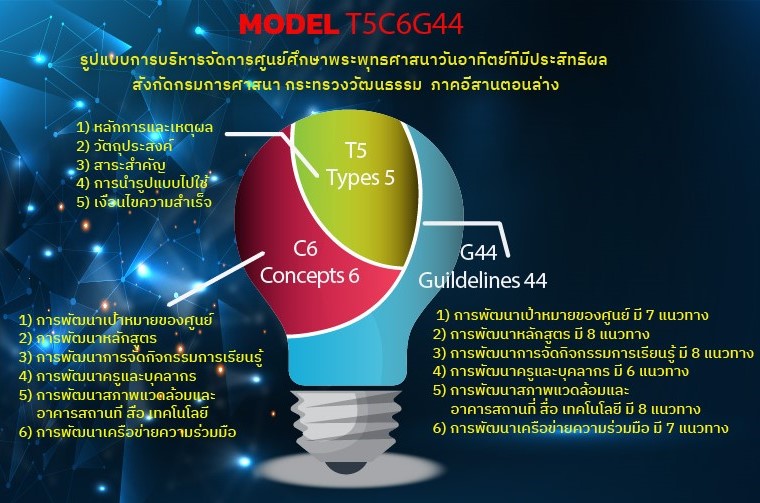
ผลการวิจัยพบว่า 1) แนวทางการบริหารศูนย์ศึกษาพระพุทธศาสนาวันอาทิตย์ที่มีประสิทธิผล สังกัดกรมการศาสนากระทรวงวัฒนธรรม ภาคอีสานตอนล่าง มี 6 องค์ประกอบ 44 แนวทาง 2) การสร้างและพัฒนารูปแบบการบริหารศูนย์ศึกษาพระพุทธศาสนาวันอาทิตย์ที่มีประสิทธิผล สังกัดกรมการศาสนากระทรวงวัฒนธรรม ภาคอีสานตอนล่าง โดยรูปแบบมี 5 องค์ประกอบ ได้แก่ (1) หลักการและเหตุผล (2) วัตถุประสงค์ (3) สาระสำคัญ (4) การนำรูปแบบไปใช้ (5) เงื่อนไขความสำเร็จ แนวทางการบริหารจัดการ 6 องค์ประกอบ 44 แนวทาง ได้แก่ (1) การพัฒนาเป้าหมายของศูนย์ มี 7 แนวทาง (2) การพัฒนาหลักสูตร มี 8 แนวทาง (3) การพัฒนาการจัดกิจกรรมการเรียนรู้ มี 8 แนวทาง (4) การพัฒนาครูและบุคลากร มี 6 แนวทาง (5) การพัฒนาสภาพแวดล้อมและอาคารสถานที่ สื่อ เทคโนโลยี มี 8 แนวทาง (6) การพัฒนาเครือข่ายความร่วมมือมี 7 แนวทาง ผลการประเมินความเหมาะสมของรูปแบบโดยรวมและรายองค์ประกอบอยู่ในระดับมากที่สุด 3) การประเมินความเป็นไปได้และความเป็นประโยชน์ของรูปแบบการบริหารศูนย์ศึกษาพระพุทธศาสนาวันอาทิตย์ที่มีประสิทธิผล สังกัดกรมการศาสนากระทรวงวัฒนธรรม ภาคอีสานตอนล่าง พบว่า ความเป็นไปได้และความเป็นประโยชน์ของรูปแบบ โดยรวมและรายองค์ประกอบอยู่ในระดับมากที่สุด
Article Details

อนุญาตภายใต้เงื่อนไข Creative Commons Attribution-NonCommercial-NoDerivatives 4.0 International License.
เรื่องลิขสิทธิ์/เป็นความคิดเห็นของผู้เขียน
เอกสารอ้างอิง
Book :
Boonyachom Srisaad. (2011). Basic Research. 9th ed. Bangkok: Suviriyasarn.
Department of Religious Affairs. (2011). Guidelines for the Implementation of the Sunday Buddhist Education Center Project, Fiscal Year 2011. Bangkok: Agricultural
Cooperative Federation of Thailand Printing Press Limited.
Department of Religious Affairs. (2019). Regulations of the Department of Religious Affairs concerning Sunday Buddhist Study Centers, 2019. Bangkok: Department of Religious Affairs, Ministry of Culture.
Kantana Poomphol. (2007). Improving Work Efficiency. 10th ed. Bangkok: Human Capital Development Center.
Office of the National Education Commission. (2019). National Education Act (1999). Bangkok: Kurusapha Ladprao Printing House.
Panisara Charaswinyu. (2007). Project Planning and Management. Kamphaeng Phet: Kamphaeng Phet Rajabhat University.
Sittisak Phruksapitikul. (2012). Hospital Management Towards Excellence with TQA. Bangkok: Phap Phim Limited Partnership.
Dissertation/Thesis :
Chanarong Surasa (2007). The Effectiveness of the One District One Dream School Project in Schools under the Khon Kaen Educational Service Area Office 1. Master's Thesis. Nakhon Pathom: Nakhon Pathom Rajabhat Institute.
Isara Boonyarit. (2002). A Study of the Relationship Between Leadership, Competency, Organizational Climate, and Effectiveness of Entry-Level Supervisors. Master of Science Thesis (Industrial Psychology), Industrial Technology Program. Bangkok: Kasetsart University.
Jintana Chanjarern. (2010). Development of a Total Quality Management Model for Private Vocational Schools using Competency Benchmarking. Doctoral Dissertation in Educational Administration Chulalongkorn University.
Narin Leekratok. (2015). A Participatory Management Model for Primary Educational Institutions with Community Organizations for the Conservation and Transmission of Local Wisdom in Northeastern Thailand. Doctoral Dissertation in Educational Administration and Transformational Leadership Eastern Asia University.
Yaowaret Trakulveerayuth. (2015). A Model for the Administration of High-Performance Educational Institutions under Local Administrative Organizations. Doctoral Dissertation in Educational Administration. Valaya Alongkorn Rajabhat University under the Royal Patronage.
Journal :
Jinnachat Ruangjui et al. (2025). Ethical Leadership and Lessons for Excellence in Educational Administration: A Case Study of the Special Education Center in Trat Province. Journal of Buddhist Educational Innovation. 1(3); 35.
หนังสือ :
กรมการศาสนา. (2554). แนวทางการดำเนินงานโครงการศูนย์ศึกษาพระพุทธศาสนาวันอาทิตย์ปีงบประมาณ 2554. กรุงเทพมหานคร: โรงพิมพ์ชุมนุมสหกรณ์การเกษตรแห่งประเทศไทย จำกัด.
กรมการศาสนา. (2562). ระเบียบกรมการศาสนาว่าด้วยศูนย์ศึกษาพระพุทธศาสนาวันอาทิตย์ พ.ศ. 2562. กรุงเทพมหานคร: กรมการศาสนา กระทรวงวัฒนธรรม.
กันตนา เพิ่มผล. (2550). การพัฒนาประสิทธิภาพในการทำงาน. พิมพ์ครั้งที่ 10. กรุงเทพฯ: ศูนย์พัฒนาทุนมนุษย์.
บุญชม ศรีสะอาด. (2554). การวิจัยเบื้องต้น. พิมพ์ครั้งที่ 9. กรุงเทมหานคร: สุวีริยาสาสน์.
ปาณิสรา จรัสวิญญู. (2550). การวางแผนและการจัดการโครงการ. กำแพงเพชร: มหาวิทยาลัยราชภัฏกำแพงเพชร.
สำนักงานคณะกรรมการการศึกษาแห่งชาติ. (2562). พระราชบัญญัติการศึกษาแห่งชาติ พ.ศ.2542. กรุงเทพมหานคร : โรงพิมพ์คุรุสภาลาดพร้าว.
สิทธิศักดิ์ พฤกษ์ปิติกุล. (2555). บริหารโรงพยาบาลสู่ความเป็นเลิศด้วย TQA. กรุงเทพมหานคร: ห้างหุ้นส่วนจำกัด ภาพพิมพ์.
ดุษฎีนิพนธ์/วิทยานิพนธ์ :
จินตนา จันทร์เจริญ. (2553). การพัฒนารูปแบบการบริหารงานแบบมุ่งคุณภาพทั้งองค์การสำหรับโรงเรียนอาชีวศึกษาเอกชนด้วยการเทียบเคียงสมรรถนะ. ดุษฎีนิพนธ์ครุศาสตรดุษฎีบัณฑิตสาขาวิชาการบริหารการศึกษา. จุฬาลงกรณ์มหาวิทยาลัย.
ชาญณรงค์ สุราสา (2550). ประสิทธิผลการดำเนินงานโครงการหนึ่งอำเภอหนึ่งโรงเรียนในฝันของโรงเรียนสังกัดสำนักงานเขตพื้นที่การศึกษาขอนแก่น เขต 1. วิทยานิพนธ์ปริญญามหาบัณฑิต. นครปฐม: สถาบันราชภัฏนครปฐม.
นรินทร์ ลีกระโทก. (2558). รูปแบบการบริหารสถานศึกษาขั้นพื้นฐานแบบมีส่วนร่วมกับองค์กรในชุมชนเพื่อการอนุรักษ์และสืบทอดภูมิปัญญาท้องถิ่นในภาคตะวันออกเฉียงเหนือ. วิทยานิพนธ์ครุศาสตรดุษฎีบัณฑิต สาขาวิชาการบริหารการศึกษาและผู้นำการเปลี่ยนแปลง. มหาวิทยาลัย อีสเทิร์นเอเชีย.
เยาวเรศ ตระกูลวีรยุทธ์. (2558). รูปแบบการบริหารสถานศึกษาขีดสมรรถนะสูง สังกัดองค์กรปกครองส่วนท้องถิ่น. วิทยานิพนธ์ครุศาสตรดุษฎีบัณฑิต สาขาวิชาการบริหารการศึกษา มหาวิทยาลัยราช-ภัฏวไลยอลงกรณ์ ในพระบรมราชูปถัมภ์.
อิสระ บุญญฤทธิ์. (2545). การศึกษาความสัมพันธ์ระหว่างภาวะผู้นำ สมรรถนะ บรรยากาศองค์การ และประสิทธิผลของหัวหน้างานระดับต้น. ปริญญาวิทยาศาสตรมหาบัณฑิต (จิตวิทยาอุตสาหกรรม) สาขาวิชาอุตสาหกรรม. กรุงเทพมหานคร: มหาวิทยาลัยเกษตรศาสตร์.
บทความ :
จิณณฉัตร เรืองจุ้ย และคณะ. (2568). ภาวะผู้นำเชิงจริยธรรมและบทเรียนเพื่อความเป็นเลิศในการบริหารการศึกษา: กรณีศึกษาศูนย์การศึกษาพิเศษประจำจังหวัดตราด. วารสารพุทธนวัตกรรมการศึกษา. 1(3); 35.
