บทบาทของนาคในบทละครรำเรื่องรามเกียรติ์
คำสำคัญ:
บทบาท, นาค, ละครรำ, รามเกียรติ์บทคัดย่อ
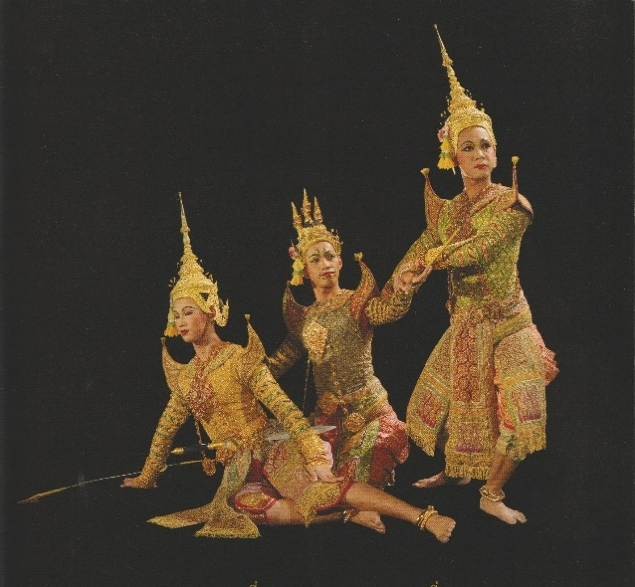
บทความวิจัยนี้ มีวัตถุประสงค์เพื่อศึกษาประวัติความเป็นมาและบทบาทของนาคในบทละครเรื่องรามเกียรติ์ พระราชนิพนธ์ของพระบาทสมเด็จพระพุทธยอดฟ้าจุฬาโลกมหาราช ซึ่งเป็นบทละครรำแบบละครใน โดยการศึกษาจากเอกสาร ตรวจสอบความน่าเชื่อถือ เรียบเรียง วิเคราะห์และสังเคราะห์ข้อมูลตามลำดับ ระยะเวลาศึกษาตั้งแต่เดือนมกราคม พ.ศ. 2567 ถึงเดือนมิถุนายน พ.ศ. 2568 ผลการศึกษาพบว่า ความเชื่อเรื่องพญานาคมีต้นกำเนิดจากศาสนาพุทธ และพราหมณ์-ฮินดู ก่อนแพร่สู่เอเชียตะวันออกเฉียงใต้และในไทยได้ถูกปรับให้สอดคล้องกับความเชื่อท้องถิ่น ในบทละครรำเรื่องรามเกียรติ์ นาคมีบทบาท 6 บทบาท ได้แก่ 1) ตัวละคร แบ่งเป็นตัวละครหลัก เช่น พญากาลนาคและตัวละครเสริม ซึ่งมักปรากฏร่วมกับเหล่าเทวดา 2) ลายเครื่องแต่งกายและเครื่องประดับ ได้แก่ สังวาล ทับทรวง พาหุรัด ทองกร และธำมรงค์ ลายภูษา ลายสนับเพลา ลายชายไหวชายแครง 3) องค์ประกอบของพิธีกรรมและกระบวนการทำงาน 4) อาวุธ เช่น ศร 5) บัลลังก์ของพระนารายณ์ 6) องค์ประกอบในสถาปัตยกรรม เช่น หน้าบัน นาคมีบทบาทอย่างมากในเรื่องรามเกียรติ์ แสดงถึงความสง่างาม อำนาจวิเศษ และพลังที่ศักดิ์สิทธิ์เมื่อนำกลอนบทละครเรื่องรามเกียรติ์มาเป็นบทร้องหรือเป็นต้นแบบของการดำเนินเรื่องในการแสดงโขนโรงในบทบาทเหล่านี้ หลายบทบาทปรากฏอยู่ในกระบวนการแสดงด้วย
เอกสารอ้างอิง
กรมศิลปากร. (2565). นาค จากตำนานความเชื่อสู่ศรัทธาร่วมสมัย. สำนักวรรณกรรมและประวัติศาสตร์ กรมศิลปากร.
กรมส่งเสริมวัฒนธรรม. (2564). เล่าสู่กันฟัง เรื่อง นาค-พญานาค. http://www.culture.go.th/culture_th/ewt_news.php?nid=5911#:~:text=ตามคติของหลายศาสนา,หนึ่งในอินเดียและพม่า
การแสดงโขนพระราชทาน ชุด ศึกอินทรชิต ตอนนาคบาศ (2557). มูลนิธิส่งเสริมศิลปาชีพในสมเด็จพระนางเจ้าสิริกิติ์ พระบรมราชินีนาถ.
กรุงเทพธุรกิจ. (2561). งู ในความเชื่อและความรู้สึกของคนโลกตะวันออก. https://www.bangkokbiznews.com/social/444
บารนี บุญทรง. (2561). งูในฐานะสัญลักษณ์สื่อคุณลักษณะของพระศิวะ. วารสารมหาวิทยาลัยศิลปากร, 38(2), 6-7.
พุทธยอดฟ้าจุฬาโลก, พระบาทสมเด็จพระ. (2549). บทละครเรื่องรามเกียรติ์. (เล่ม 1-4). ศิลปาบรรณาคาร.
มงกุฎเกล้าเจ้าอยู่หัว, พระบาทสมเด็จพระ. (2456). บ่อเกิดแห่งรามเกียรติ์. [ม.ป.พ.].
ราชบัณฑิตยสถาน. (2556). พจนานุกรมราชบัณฑิตยสถาน พ.ศ. 2554. บริษัทศิริวัฒนาอินเตอร์พริ้นท์ จำกัด (มหาชน).
สถานเสาวภา สภากาชาดไทย. (2567, กันยายน 8). โลกแห่งอสรพิษ. https://www.tkpark.or.th/download?file=0040c2.pdf&name=A2-worldofSnake-01.pdf
สำนักวรรณกรรมและประวัติศาสตร์. (2568, มีนาคม 11). เอกสารประกอบการเสวนาทางวิชาการ เรื่อง “นาค” ในวัฒนธรรมไทย. https://www.finearts.go.th/storage/contents/2022/05/detail_file/M2vU5VmUHdDPRhQZBst2GZSeOiZyuh3uZcw9LlPy.pdf
ดาวน์โหลด
เผยแพร่แล้ว
ฉบับ
ประเภทบทความ
สัญญาอนุญาต
ลิขสิทธิ์ (c) 2025 ฝ่ายผลิตสื่อสิ่งพิมพ์และตำราวิชาการ กองส่งเสริมวิชาการและงานวิจัย สถาบันบัณฑิตพัฒนศิลป์ กระทรวงวัฒนธรรม

อนุญาตภายใต้เงื่อนไข Creative Commons Attribution-NonCommercial-NoDerivatives 4.0 International License.
บทความที่ได้รับการตีพิมพ์เป็นลิขสิทธิ์ของ สบศ.



