THE ESSENCE OF PLENG CHA PLENG REOW NARAI
Keywords:
Pleng Cha Pleng Reow Narai, Mue Narai, SemiologyAbstract
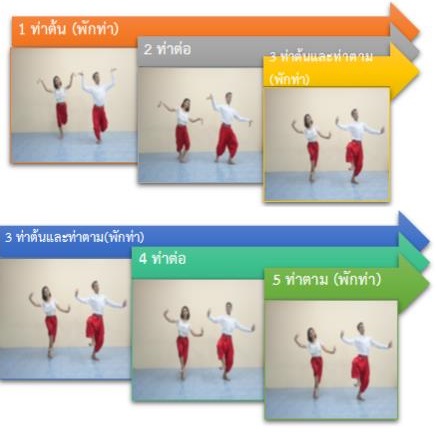
The essence of Pleng Cha Pleng Reow Narai aims to study the history, the dance movements and dance techniques, and the semiology of Pleng Cha Pleng Reow Narai. This research employs various kinds of research methodologies including documents, interviews, analysis of dance structure, principal of choreography and analysis of semiology of Pleng Cha Pleng Reow Narai. The research found that the choreography of the Pleng Cha Pleng Reow Narai created by Khun Tao Worachan (Drawn by Chaochom Manda Wad in the reign of King Rama IV) in the year 1910 – 1918. The purpose of this dance is to worship the guardian god at Suan Kularb Palace. The dance structure of the Pleng Cha Pleng Reow Narai derived on the selective choreography of the Pleng Reow Rabum dance. The choreographer selected the set of dance movement creating the new specially hand gesture form and new movement direction, which represent the good meaning and uniqueness of Thai classical dance. The characteristic of this dance was based on the rules and customs of Royal Thai court dance style, which presented in Knon and Lakhon Nai dance styles. The forms and structure of this dance must be strong, powerful, smooth, and proceed with gentleness. The research result also demonstrated that Mue Ro Keaw or Mue Narai, the special hand gesture of this dance, is a semilogy implicating the symbolic of Narayana God in Thai classical dance for more than 95 years. Moreover, the choreography of the Pleng Cha Pleng Reow Narai dance also reflects the sacred ancient worshipping of the past especially for royal rituals that requires all round beauty in every aspect of the performances. The dance reflects the intricacy in the creativity of this innovative dance starting from the ideas, the meaning of each body movements to the use of areas and in every aspect of the performance’s choreography, especially the symbolic meaning and characteristic traits of Narayana God, an important God and incarnates which subdue sufferings on earth.
References
กรมศิลปากร. (2550). การศึกษาและการพัฒนาองค์ความรู้เกี่ยวกับการแต่งกายยืนเครื่องโขน-ละครรำ. กรุงเทพฯ: อมรินทร์พริ้นติ้งแอนด์พับลิซซิ่ง.
________. (2551). ทะเบียนข้อมูล: วิพิธทัศนา ชุดระบำ รำ ฟ้อน เล่ม 3. กรุงเทพฯ: อมรินทร์ พริ้นติ้งแอนด์พับลิซซิ่ง.
กาญจนา แก้วเทพ. (2554). สื่อเก่า-สื่อใหม่: สัญญะ อัตลักษณ์ อุดมการณ์. โครงการเมธีวิจัยอาวุโส คณะนิเทศศาสตร์, จุฬาลงกรณ์มหาวิทยาลัย.
ชมนาด กิจขันธ์. (2547). นาฏยลักษณ์ตัวพระละครแบบหลวง. วิทยานิพนธ์ศิลปศาสตรดุษฎีบัณฑิต สาขาวิชานาฏยศิลป์ไทย คณะศิลปกรรมศาสตร์ จุฬาลงกรณ์มหาวิทยาลัย.
ดำรงราชานุภาพ, สมเด็จพระเจ้าบรมวงศ์เธอ กรมพระยา. (2466). ตำราละครฟ้อนรำ. พระนคร: โสภณพิพรรฒนากร.
ประเมษฐ์ บุญยะชัย. (2539). ละครวังสวนกุหลาบ. รายงานวิชาประวัตินาฏยศิลป์ไทย หลักสูตรศิลปศาสตร มหาบัณฑิต, จุฬาลงกรณ์มหาวิทยาลัย.
________. ผู้เชี่ยวชาญด้านการสอนนาฏศิลป์ไทย สถาบันบัณฑิตพัฒนศิลป์. สัมภาษณ์, 25 ธันวาคม 2558.
พระธรรมปิฎก (ป.อ. ปยุตฺโต). (2545). พุทธธรรม. กรุงเทพฯ: สหธรรมิก.
พิทยลาภพฤฒิยากร, พระวรวงศ์เธอ กรมหมื่น. (2507). ประวัติท้าววรจันทร. กรุงเทพฯ: สมาคมสังคมศาสตร์.
ลมุล ยมะคุปต์. (2526). คุณานุสรณ์ในการเสด็จพระราชดำเนินพระราชทานเพลิงศพ นางลมุล ยมะคุปต์. กรุงเทพฯ: ประยูรวงศ์.
วรรณพิมล อังคศิริสรรพ. (2551). มายาคติ สรรนิพนธ์จาก Mythologies ของ Roland Bathes. กรุงเทพฯ: สำนักพิมพ์คบไฟ.
วิกิพีเดีย สารานุกรมเสรี. (26 ตุลาคม 2558). ท้าววรจันทร์ (เจ้าจอมมารดาวาดในรัชกาลที่ 4). [ออนไลน์]. เข้าถึงจาก https://th.wikipedia.org/wiki/ท้าววรจันทร์_(เจ้าจอมมารดาวาด_ในรัชกาลที่_4)
วีระชัย มีบ่อทรัพย์. ผู้เชี่ยวชาญด้านการสอนนาฏศิลป์ไทย สถาบันบัณฑิตพัฒนศิลป์. สัมภาษณ์, 28 เมษายน 2559.
ศุภชัย จันทร์สุวรรณ์. ศิลปินแห่งชาติ สาขานาฏศิลป์ไทย และผู้เชี่ยวชาญด้านการสอนนาฏศิลป์ไทย สถาบันบัณฑิตพัฒนศิลป์. สัมภาษณ์, 26 ตุลาคม 2558.
สมเกียรติ ตั้งนโม. (แปลและเรียบเรียง). (26 ตุลาคม 2558). สัญศาสตร์ การศึกษาเรื่องเครื่องหมาย-Semiology the study of signs. มหาวิทยาลัยเที่ยงคืน [ออนไลน์]. เข้าถึงจาก http://www.midnightuniv.org/midarticle/newpage12.html
สุภาวดี โพธิเวชกุล. (2559). พัฒนาการแม่บทในนาฏศิลป์ไทย. กรุงเทพฯ: มหาวิทยาลัยราชภัฏสวนสุนันทา.
อาคม สายาคม. (2525). รายงานนิพนธ์ของ อาคม สายาคม. กรุงเทพฯ: ม.ป.ท.
Downloads
Published
Issue
Section
License
บทความที่ได้รับการตีพิมพ์เป็นลิขสิทธิ์ของ สบศ.



