THE CHOREOGRAPHY: SI KASAT SONG KRUANG
-
Keywords:
Four Kings, Vessantara Jataka, Creative Thai performanceAbstract
The objectives of this study are to create and to assess the quality of the recent Thai dance in the series of the adorned great four kings, also known in local as Si Kasat Song Khruang by developing from fundamental knowledge, concepts, theories, interviews, and observation before analyzing process resulting in the new creativity achievement.
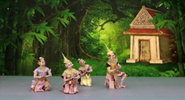
The study finds that there are seven different steps. To begin with, the concept is captured by the impression of the outstanding royal apparel from the Thai traditional epic The Great Vessantara Jataka, Madri including their heirs, Jali and Kanha, particularly in the 13th chapter when they all return home leading to the new choreography reflecting each of four mentioned characters in the technique of Chatree drama which is the common comedy drama with only a few numbers of actors. The next step concerns the song newly composed for the performance which is inspired by the story of the Vessantara Jataka. Following that, the audition concentrates on two actors and two actresses.Then, the complicated choreography is developed according to the royal apparel principle, the human natural gesture convention, the vivid imagination, and the creative dancing style which seemingly suits the lyrics and rhythm. After that, the light costume in the show is applied which is sparked by the Vessantara portraits mural located at Wat Suwannaram Ratchaworawihan temple hall. Later, the stage foreground is developed and flourished according to the green screen technique before premier of the show is performed both on stage and on online platforms.
References
กาญจนา แก้วเทพ. (2541). การศึกษาสื่อมวลชนด้วยทฤษฎีวิพากษ์. กรุงเทพฯ: ภาพพิมพ์.
กรมศิลปากร. (2550). คุณธรรม จริยธรรมตามรอยพระโพธิสัตว์. กรุงเทพฯ: อมรินทร์ พริ้นติ้งแอนด์พับลิชชิ่ง.
ขวัญใจ คงถาวร. (2558). “นาฏยประดิษฐ์ลงสรงโทนสุหรานากง : นาฏยจารีตแบบหลวง”. วารสารวิจัยและพัฒนา มหาวิทยาลัยราชภัฏสวนสุนันทา, 7, 3: 32-42.
ชมนาด กิจขันธ์. (2555). รำหน้าพาทย์ชั้นสูง. (พิมพ์ครั้งที่ 2). กรุงเทพฯ: นาเพรส.
ณัฏฐนันท์ จันนินวงศ์. (2557). แนวคิดการออกแบบลีลาท่ารำนาฏยศิลป์ไทยของอาจารย์สุวรรณี ชลานุเคราะห์ ศิลปินแห่งชาติ ปี พ.ศ. 2533. วิทยานิพนธ์ปริญญาศิลปศาสตรมหาบัณฑิต ภาควิชานาฏยศิลป์ จุฬาลงกรณ์มหาวิทยาลัย.
เทพรัตนราชสุดาฯ สยามบรมราชกุมารี, สมเด็จพระกนิษฐาธิราชเจ้า กรมสมเด็จพระ. (2543). ทศบารมีในพุทธศาสนาเถรวาท. พิมพ์ครั้งที่ 4 กรุงเทพฯ: มหามกุฏราชวิทยาลัย.
ธณาวุฒิ อ้นวงษ์. (2564). “แนวคิดการประดิษฐ์ท่ารำเพลงหน้าพาทย์เสมอของตัวลิง”. วารสารวิชาการคณะมนุษยศาสตร์และสังคมศาสตร์ มหาวิทยาลัยราชภัฏพระนคร, 5, 2: 297-310.
นิติพงษ์ ทับทิมหิน. (2553). การรำหน้าพาทย์เพลงเสมอในละครพันทาง. วิทยานิพนธ์ปริญญาศิลปศาตรมหาบัณฑิต จุฬาลงกรณ์มหาวิทยาลัย.
พระพรหมคุณากรณ์ (ป.อ. ปยุตฺโต). (2547). ธรรมนูญชีวิต. กรุงเทพฯ: โรงพิมพ์การศาสนา.
พระราชวิจิตรปฏิภาณ. (2550). สมุดภาพพระมหาเวสสันดร : ฉบับจิตรกรรมภาพไทย เรื่องราวในอดีตชาติของพระพุทธเจ้า เมื่อครั้งทรงบำเพ็ญทานบารมี. กรุงเทพฯ: ธรรมสภา.
พระสมพงษ์ ชินวํโส, พระมหาดวงเด่น ฐิตญาโณ และขันทอง วัฒนะประดิษฐ์ . (2561). “การประยุกต์ใช้หลักพุทธสันติวิธี เพื่อพัฒนาการทำงานเป็นทีมของพระวิทยากรวิทยาลัยสงฆ์ศรีสะเกษ”. วารสารสันติศึกษาปริทรรศน์ มจร, 6, 1 (ฉบับพิเศษ): 119-133.
มติชน. (2546). ละครฟ้อนรำ ประชุม เรื่องละครฟ้อนรำกับระบำรำเต้น ตำราฟ้อนรำ ตำนานเรื่องละครอิเหนา ตำนานละครดึกดำบรรพ์ พระนิพนธ์ สมเด็จฯ กรมพระยาดำรงราชานุภาพ. กรุงทพฯ: สำนักพิมพ์มติชน.
สุรพล วิรุฬห์รักษ์. (2547). หลักการแสดงนาฏยศิลป์ปริทรรศน์. กรุงเทพฯ: สำนักพิมพ์แห่งจุฬาลงกรณ์มหาวิทยาลัย.
อรรถวิทย์ สุดแสง, นที นิภานันท์ และณัฐพงศ์ ชินธเนส. (2560). อุปกรณ์สำหรับการแยกฉากหลังโดยพิจารณาค่าสีแบบทันทีด้วยอุปกรณ์รับรู้ความลึก. (รายงานการวิจัย). กรุงเทพมหานคร: กองทุนวิจัยและพัฒนากิจการกระจายเสียงกิจการโทรทัศน์และกิจการโทรคมนาคม เพื่อประโยชน์สาธารณะ (สำนักงาน กสทช.).
Downloads
Published
Issue
Section
License
Copyright (c) 2022 Patanasilpa Journal

This work is licensed under a Creative Commons Attribution-NonCommercial-NoDerivatives 4.0 International License.
บทความที่ได้รับการตีพิมพ์เป็นลิขสิทธิ์ของ สบศ.



