SHADOW PUPPETRY (NANG TA LONG) OF KAYA NAKHON: A SHADOW PERFORMANCE DERIVED FROM THE KAMPI BUT MANUSCRIPT OF NAKHON SI THAMMARAT
Keywords:
Kampi But Manuscript of Nakhon Si Thammarat -Kaya Nakhon, shadow puppetry, Nang Talung Kaya NakhonAbstract
This creative research project entitled Shadow Puppetry of Kaya Nakhon: A Shadow Performance Derived from the Kampi But Manuscript of Nakhon Si Thammarat was conducted with two objectives: 1. to investigate the body of knowledge contained in the Kampi But literary text Kaya Nakhon, based on the Nakhon Si Thammarat manuscript version; 2. to create a shadow-puppet performance (Nang Talung) based on the Kampi But text Kaya Nakhon from the Nakhon Si Thammarat manuscript, employing the conventional stylistic norms of Nakhon Si Thammarat shadow theatre. The study yielded the following findings:
1. The Kampi But literature of Nakhon Si Thammarat entitled Kaya Nakhon is a religious narrative in the style of a moral tale. It was transcribed manually and completed in 1899 (B.E. 2442), written in Thai script and composed in khlong verse forms including Kap Yanee 11 and Kap Surangkhanang 28. The narrative is expressed in the Southern Thai dialect. The plot consists of three main parts: 1) Thao Jit Ratcha’s reign over the city of Kaya Nakhon,
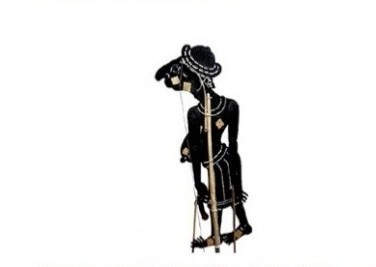
2) Phraya Matchu Rat granting Thao Jit Ratcha his freedom, and 3) Thao Jit Ratcha’s entrance into the celestial realm of Nibbāna. The story metaphorically portrays the human body as an imaginary city, with the mind as its king, illnesses as invading enemies, and morality, concentration, and wisdom serving as the weapons used to wage battle. Regarding the creative component, the research involved developing a performance script for Nang Talung Kaya Nakhon, followed by character design and the creation of prototype shadow-puppet figures. Musical motifs and compositions were also designed to suit the performance, culminating in the recording of musical accompaniment constituting a systematic body of creative knowledge.
2. The creative outcomes include: specially designed shadow-puppet figures for Kaya Nakhon; musical accompaniment for the performance; and a complete performance script (including recitative and dialogue).
The performance is structured into three acts: Act I – Opening Sequence, Act II – Narrative Progression, and Act III – Closing Sequence. The final recitation, La Rong or Nang la Jor, marks the formal conclusion of the performance.
References
กุหลาบ มัลลิกะมาส (2531). ความรู้ทั่วไปทางวรรณคดีไทย. โรงพิมพ์ชวนพิมพ์.
พิทยา บุษรารัตน์. (2541). รำหนัง : การแสดงของภาคใต้ฝั่งตะวันตก. สถาบันทักษิณคดีศึกษา.
วิทย์ ศิวะศริยานนท์. (2486) วรรณคดีและวรรณคดีวิจารณ์. โรงพิมพ์ธรรมชาติ.
สืบพงษ์ ธรรมชาติ. (2559). การศึกษาวิเคราะห์หลักธรรมทางพระพุทธศาสนาที่ปรากฏในเนื้อเรื่องหนังตะลุง. วารสารมหาจุฬานาครทรรศน์, 3(1), 77 – 92.
อุดม หนูทอง. (2531). ดนตรีและการละเล่นพื้นบ้านภาคใต้. คณะมนุษยศาสตร์ มหาวิทยาลัยศรีนครินทร์วิโรฒสงขลา.
Downloads
Published
Issue
Section
License
Copyright (c) 2025 ฝ่ายผลิตสื่อสิ่งพิมพ์และตำราวิชาการ กองส่งเสริมวิชาการและงานวิจัย สถาบันบัณฑิตพัฒนศิลป์ กระทรวงวัฒนธรรม

This work is licensed under a Creative Commons Attribution-NonCommercial-NoDerivatives 4.0 International License.
บทความที่ได้รับการตีพิมพ์เป็นลิขสิทธิ์ของ สบศ.



