THE CREATION OF FOLK DANCE INSPIRED BY THE BAI SRI SU KWAN CEREMONY
-
Keywords:
Earn Kwan, Bai Si Su Kwan, CreationAbstract
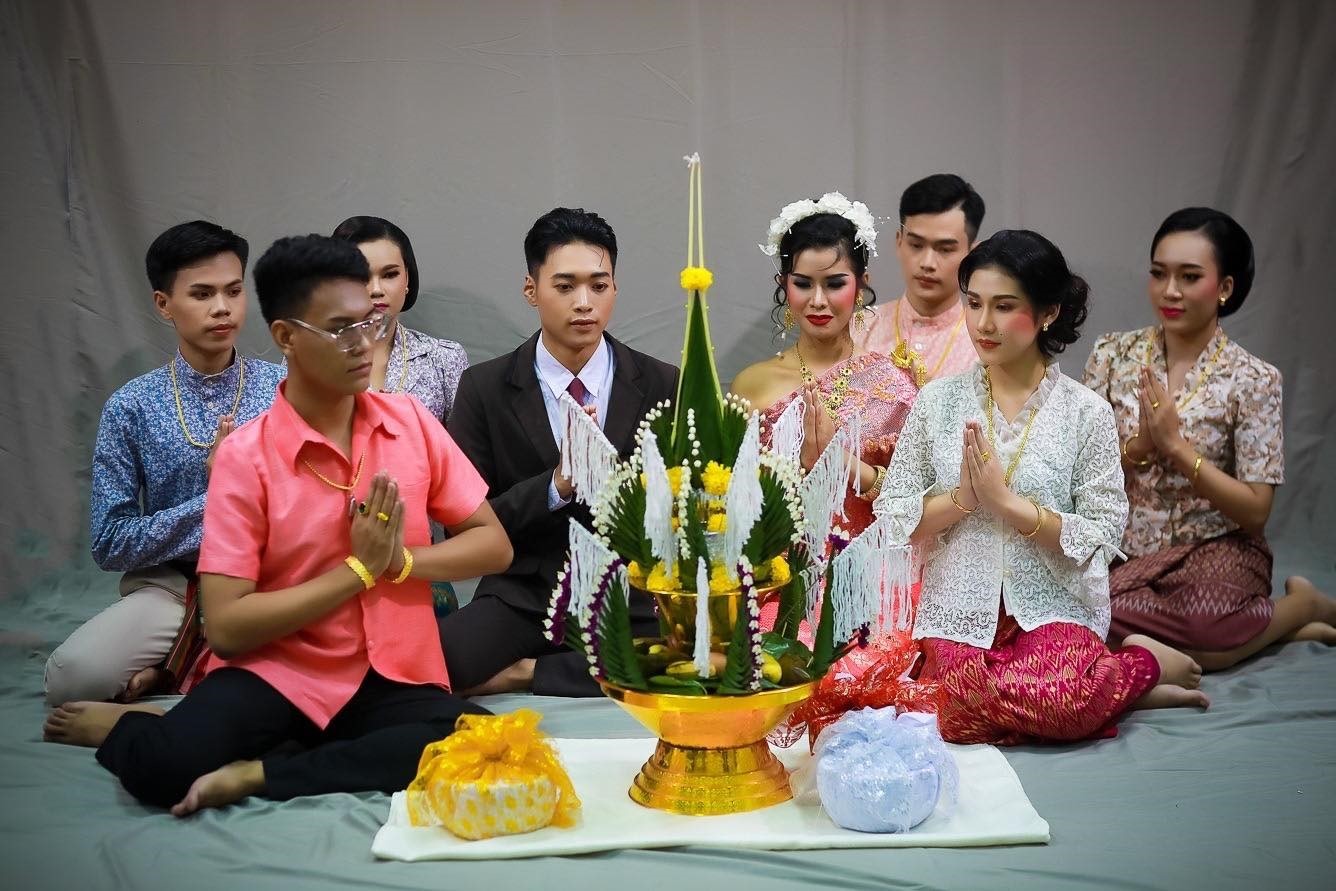
This academic article aims to collect and study the history of Fon Ern Kwan, including its lyrics, melodies, musical ensembles, costumes, and choreography. The study found that the Bai Sri Su Kwan ceremony is an important ritual of the Northeastern (Isan) people, associated with morale and spiritual well-being. There is a belief that Kwan brings prosperity and wards off negativity. The Fon Ern Kwan dance was inspired by the Bai Sri Su Kwan ceremony, reflecting its cultural significance.The findings are as follows: 1) Lyrics: The song of Fon Ern Kwan is divided into two parts. The first part uses traditional Isan music, particularly the Soraphan verse, which consists of five verses. The second part involves composing a poem based on the content of the Kwan prayer. 2) Melodies: The music is divided into three parts. The introduction features Kan Lai Long to accompany the singing, followed by the Soraphan melody, and concludes with the Lai Khao Thong Lom melody.3) Musical Ensemble: The performance music is played by the Maklong Pong Lang ensemble, which includes instruments such as the Pong Lang, Pong Lang Lek, Khaen, Klong Hang, Klong Ram Na, small cymbals, and large cymbals. 4) Costumes: Performers wear white sleeveless shirts, mudmee sarongs, and head and foot skirts. The costumes are adorned with Khit cloth and feature white cotton threads and white flowers as head decorations. 5) Choreography: The dance movements are inspired by 16 traditional Isan postures and 4 Thai classical dance movements.The study highlights the creation of a unique Isan folk performance that reflects the cultural identity of the local area and the distinctive heritage of Kalasin College of Dramatic Arts. The preservation of this performance is significant for its cultural value.
References
คมจรัส ทองจรัส และณรงค์รัชช์ วรมิตรไมตรี. (2565). “กระบวนการการสร้างสรรค์ลายดนตรีพื้นบ้านอีสานของวิทยาลัยนาฏศิลปกาฬสินธุ์: ลายข้าวต้องลม”. วารสารมหาวิทยาลัยราชภัฏร้อยเอ็ด, 16, 2: 106-116.
ปิยะ สุดิสุสดี. (2545). การศึกษาวิเคราะห์บทสู่ขวัญ บ้านไร่ หมู่ 1 ตำบลบ้านไร่ อำเภอหล่มสัก จังหวัดเพชรบูรณ์. วิทยานิพนธ์ศึกษาศาสตรมหาบัณฑิต
บัณฑิตวิทยาลัย มหาวิทยาลัยรามคำแหง.
ยุพา กาฬเนตร, ประทับใจ สิกขา และประสิทธิ์ พวงบุตร. (2544). ประเพณีอีสานในเชิงอนุรักษ์และเผยแพร่. อุบลราชธานี: มหาวิทยาลัยอุบลราชธานี.
รุจินาถ อรรถสิษฐ. (2548). ขวัญ : ขวัญชีวิตของคนไทย. นนทบุรี: กรมพัฒนาการแพทย์แผนไทยและการแพทย์ทางเลือก กระทรวงสาธารณสุข.
วิทยาลัยนาฏศิลปกาฬสินธุ์. (2556). ผลงานสร้างสรรค์ ฟ้อนเอิ้นขวัญ. กาฬสินธุ์: วิทยาลัยนาฏศิลปกาฬสินธุ์.
ศักดิ์สยาม แสงสกุล. (2565). ภาพพิธีสู่ขวัญในงานมงคลสมรส. กาฬสินธุ์: ม.ป.พ.
สาร สาระทัศนานันท์. (2540). พิธีสู่ขวัญ และคำสู่ขวัญโบราณ. กรุงเทพฯ: โรงพิมพ์การศาสนา.
Downloads
Published
Issue
Section
License
Copyright (c) 2024 ฝ่ายผลิตสื่อสิ่งพิมพ์และตำราวิชาการ กองส่งเสริมวิชาการและงานวิจัย สถาบันบัณฑิตพัฒนศิลป์ กระทรวงวัฒนธรรม

This work is licensed under a Creative Commons Attribution-NonCommercial-NoDerivatives 4.0 International License.
บทความที่ได้รับการตีพิมพ์เป็นลิขสิทธิ์ของ สบศ.



