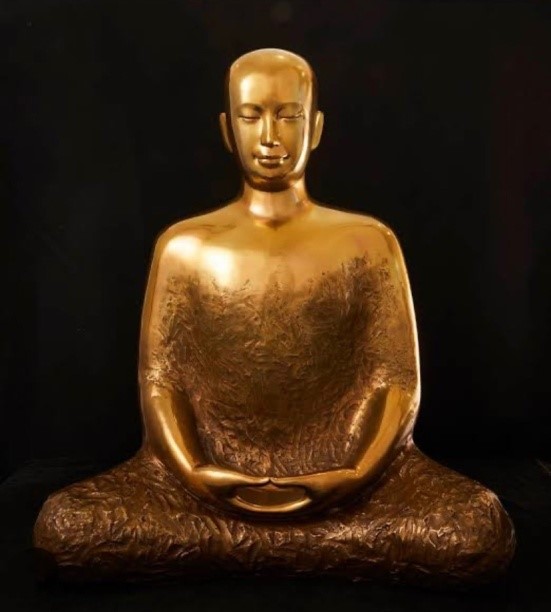
MEDITATION: CREATING SCULPTURE TO CONNECT THE BODY AND MIND TO BE CALM , LEADING TO PEACE
-
Keywords:
Meditation, Body, Mind, CalmAbstract
The creation of the sculpture "Meditation" aims to create floating sculptures that connect the body and mind, promoting calm and leading to peace. According to research from books, internet sources, and documentary articles, I have learned that meditation is a profound art. It represents mental astonishment and a world of peace. Meditation is widely practiced, and people have discovered its value, with its popularity rising. Meditation eases the complications and confusion in our daily lives. By practicing meditation, we can focus on one thing at a time without being distracted. Meditation can benefit studies, work, and other aspects of life. We can concentrate and accomplish tasks effectively through meditation. I have used the role of people who meditate as my conceptual model and adapted the research to create the Round Relief Sculpture in my own style. In conclusion, from the creative work, I have found that meditation patterns can shape the Round Relief Sculpture, which can incredibly be perceived as representing meditation from all aspects.
References
กาญจนา หาญศรีวรพงศ์ และพระมหามิตร ฐิตปญฺโญ. (2562). “สมาธิกับการพัฒนาคุณภาพชีวิตมนุษย์”. วารสารวิชาการธรรมทรรศน์, 19, 1: 287-295.
ฉัตรมงคล อินสว่าง. (2562). “พื้นที่แห่งการตื่นรู้ในงานประติมากรรมของแอนโทนี กอร์มลีย์”. Veridian E-Journal, Silpakorn University, 12, 6: 1851-1870.
ธงชัย ศรีสุขประเสริฐ. (2559). พระพุทธบำเพ็ญทุกรกิริยา. [ออนไลน์]. ค้นเมื่อ 18 มีนาคม 2566. เข้าถึงจาก http://www.rama9art.org/artisan/2018/january/masterpieces_art/index.html
นนทิวรรธน์ จันทนะผะลิน. (2556). นิทรรศการ : Nonthivathn Chandhanaphalin. [ออนไลน์]. ค้นเมื่อ 18 มีนาคม 2566. เข้าถึงจาก https://www.barameeofart.com/product_detail.php?id=1742&page=2&event_s=28&artist_s=&lang=
บรรจบ กำจัด. (2549). “Color Therapy ศาสตร์แห่งสีเพื่อการบำบัดโรค”. ชีวจิต, 9, 195: 58-62.
โพธิสิกขาลัย. (2554). พระพุทธรูปศิลปะคันธาระ (Gandhara). [ออนไลน์]. ค้นเมื่อ 18 มีนาคม 2566. เข้าถึงจาก http://www.bodhisikkhalai.com/gandhara.php
มานพ สุวรรณปินฑะ. (2564). จิตวิญญาณงานประติมากรรม. [ออนไลน์]. ค้นเมื่อ 18 มีนาคม 2566. เข้าถึงจาก https://www.mixmagazine.in.th/00005829
สัญญา ศิริพานิช. (2557). “อิทธิพลของปัญญาสชาดกที่มีต่อพุทธศิลปกรรม ในเขตพุทธสถาน : กรณีศึกษาวัดในอำเภอเมืองเชียงใหม่”. วารสารวิจิตรศิลป์, 5, 2: 133-183.
สุนีย์ สัจจาไชยนนท์ และวิรัช วิรัชนิภาวรรณ. (2560). “การบริหารจัดการด้านเทคโนโลยีเพื่อส่งเสริมการนั่งสมาธิของวัดพระธรรมกาย ตามปรัชญาของเศรษฐกิจพอเพียง”. วารสาร มจร สังคมศาสตร์ปริทรรศน์, 6, 2: 251-267.
สุภัทรดิศ ดิศกุล, ม.จ. (2532). พระพุทธรูปปางสมาธิ ประติมากรรมศิลปะขอม. [ออนไลน์]. ค้นเมื่อ 18 มีนาคม 2566. เข้าถึงจาก http://www.thapra.lib.su.ac.th/supatlib/picture2.php?check=country&keyword=5&Page=50
ฮงจินฉือ. (2564). รูปปั้น “ทรัมป์” นั่งสมาธิ ฝีมือชาวจีน สอนคติเรื่องการ “ปล่อยวาง”. [ออนไลน์]. ค้นเมื่อ 18 มีนาคม 2566. เข้าถึงจาก https://www.voathai.com/a/trump-meditating-post-chinese-artist-/5837412.html
Downloads
Published
Issue
Section
License
Copyright (c) 2024 ฝ่ายผลิตสื่อสิ่งพิมพ์และตำราวิชาการ กองส่งเสริมวิชาการและงานวิจัย สถาบันบัณฑิตพัฒนศิลป์ กระทรวงวัฒนธรรม

This work is licensed under a Creative Commons Attribution-NonCommercial-NoDerivatives 4.0 International License.
บทความที่ได้รับการตีพิมพ์เป็นลิขสิทธิ์ของ สบศ.



