
SONG CREATION: HARINATSASIKASAI SUIT
-
Keywords:
The Creation, Song, HarinatsasikasaiAbstract
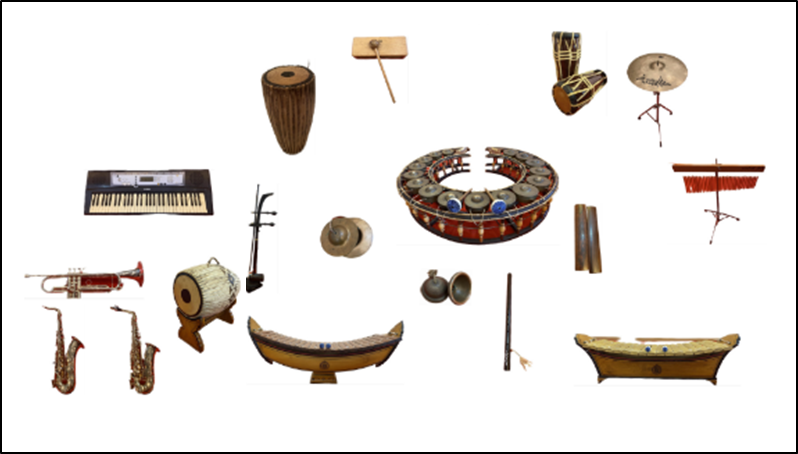
The creation of the Harinatsasikasai song utilized a qualitative research methodology. The research aimed to study the context of the provincial seal of Chanthaburi Province and create a song inspired by it. The research findings were as follows: 1) The provincial seal of Chanthaburi was designed during Field Marshal P. Phibulsongkram’s period by the Fine Arts Department. It is closely related to the province's name and the legend of the rabbit on the moon. The components of the seal symbolize the province's natural richness and the happiness of its people. Currently, the provincial seal is used to benefit the local community in various ways, such as being featured in trademarks, signage for places, and as a symbol for important events. Additionally, the seal reflects the nationalism of the former leader and expresses the pride of the people in their hometown’s identity. Inspired by these elements, the research team created the song to promote Chanthaburi Province and to serve the interests of society. The song was divided into three parts: Part 1 tells the legend of the rabbit, Part 2 features a rabbit dance, Part 3 celebrates the happiness of Chanthaburi. The main creative challenges involved writing the lyrics, maintaining the traditional rhythms while introducing some variations, incorporating new playing techniques, and using the creative Nathap rhythms. Both Thai and Western musical instruments were employed in the song to express its mood and deliver the intended meaning.
References
กรมศิลปากร. (2542). ตราประจำจังหวัด. กรุงเทพฯ: กรมศิลปากร.
คณะกรรมการฝ่ายประมวลเอกสารและจดหมายเหตุ. (2544). หนังสือเฉลิมพระเกียรติ พระบาทสมเด็จพระเจ้าอยู่หัว เรื่อง วัฒนธรรม พัฒนาการทางประวัติศาสตร์ เอกลักษณ์และภูมิปัญญา จังหวัดจันทบุรี. กรุงเทพฯ: กรมศิลปากร.
จรรยา มาณะวิท. (2550). เมืองเพนียด. ม.ป.ท.
ชาญณรงค์ พรรุ่งโรจน์. (2546). ความคิดสร้างสรรค์. กรุงเทพฯ: ด่านสุทธาการพิมพ์.
ถาวร สิกขโกศล. (2557). เทศกาลจีนและการเซ่นไหว้. กรุงเทพฯ: สำนักพิมพ์ มติชน.
ธนกุล วรรณประเสริฐ และนัยนา ชัยบุตร. (2551). กายวิภาคศาสตร์กระต่าย. กรุงเทพฯ: สำนักพิมพ์แห่งจุฬาลงกรณ์มหาวิทยาลัย.
ประวิทย์ สุวณิชย์. (2537). 108 ซองคำถาม. กรุงเทพฯ: ศักดิ์โสภาการพิมพ์.
ประสิทธิ์ ลีปรีชา. (2547). การสร้างและสืบทอดอัตลักษณ์ของกลุ่มชาติพันธุ์ม้ง วาทกรรมอัตลักษณ์. กรุงเทพฯ: ศูนย์มานุษยวิทยาสิรินธร.
เพชรดา เทียมพยุหา. (2556). การศึกษาดนตรีร่วมสมัย : กรณีศึกษาวงกำไล. วิทยานิพนธ์ปริญญาศิลปศาสตรมหาบัณฑิต สาขามานุษยดุริยางควิทยา คณะศิลปกรรมศาสตร์ มหาวิทยาลัยศรีนครินทรวิโรฒ.
ภัทระ คมขำ. (2556). การประพันธ์เพลงช้าเรื่องปูจานครน่าน. วิทยานิพนธ์ปริญญาดุษฎีบัณฑิต สาขาวิชาศิลปกรรมศาสตร์ คณะศิลปกรรมศาสตร์ จุฬาลงกรณ์มหาวิทยาลัย.
มนตรี ตราโมท. (2538). ดุริยสาส์นของนายมนตรี ตราโมท. กรุงเทพฯ: ธนาคารกสิกรไทย จำกัด (มหาชน).
สิริชัยชาญ ฟักจำรูญ. (2546). ดุริยางคศิลป์ไทย. กรุงเทพฯ: สำนักพิมพ์สถาบันไทยศึกษา จุฬาลงกรณ์มหาวิทยาลัย.
สุภัค มหาวรากร. (2552). ความเปรียบเกี่ยวกับน้ำกับมรรคา สู่นิพพานในอรรถกถาชาดก. วิทยานิพนธ์ปริญญาอักษรศาสตรดุษฎีบัณฑิต สาขาวิชาภาษาไทย คณะอักษรศาสตร์ จุฬาลงกรณ์มหาวิทยาลัย.
องค์การสวนสัตว์แห่งประเทศไทย. (2565). กระต่ายบ้าน. [ออนไลน์]. ค้นเมื่อ 25 สิงหาคม 2565. เข้าถึงจากhttps://www.zoothailand.org/animal_view.php?detail_id=46&c_id=
อารี รังสินันท์. (2532). ความคิดสร้างสรรค์ (พิมพ์ครั้งที่ 3). กรุงเทพฯ: ข้าวฟ่าง.
Downloads
Published
Issue
Section
License
Copyright (c) 2024 ฝ่ายผลิตสื่อสิ่งพิมพ์และตำราวิชาการ กองส่งเสริมวิชาการและงานวิจัย สถาบันบัณฑิตพัฒนศิลป์ กระทรวงวัฒนธรรม

This work is licensed under a Creative Commons Attribution-NonCommercial-NoDerivatives 4.0 International License.
บทความที่ได้รับการตีพิมพ์เป็นลิขสิทธิ์ของ สบศ.



