THE DEVELOPMENT OF CRITICAL THINKING IN THE DIGITAL AGE
Keywords:
Critical Thinking, Teaching in the Digital Age, DevelopmentAbstract
This academic article presents guidelines for developing critical thinking, learning models, and examples of learning activities that promote critical thinking among learners in the digital age. Critical thinking, which is a crucial skill for 21st-century learners, necessitates the ability to analyze information, apply logical reasoning, and make sound decisions. In the context of the digital age, characterized by the rapid evolution of information, developing critical thinking requires learning processes that foster higher-order thinking. The essential components of critical thinking encompass problem identification, hypothesis formulation, data collection and processing, reasoning, analysis and evaluation, reflection, decision-making, problem-solving, and personal dispositions. To effectively and efficiently promote these skills, it is imperative to cultivate systematic thinking processes. This involves integrating online information and current events and connecting them with learners' prior experiences. Such an approach fosters critical thinking and rational decision-making, ultimately contributing to the establishment of a sustainable learning society in the digital age. Furthermore, this article recommends that educators play a proactive role in planning and designing diverse active learning activities. By utilizing real-world situations or digital media content as issues for analysis, learners can practice their analytical thinking processes. This builds cognitive immunity, empowering them to navigate and thrive mindfully within the digital society.
References
กมล โพธิเย็น. (2565). สอนอย่างไรให้ผู้เรียนเกิดการคิดอย่างมีวิจารณญาณ. วารสารศึกษาศาสตร์ มหาวิทยาลัยศิลปากร, 20(2), 11-25.
กัญญาวีร์ เพลินใจ และ สุมาลี ชัยเจริญ. (2568). การพัฒนาการคิดอย่างมีวิจารณญาณของผู้เรียนที่เรียนด้วยสิ่งแวดล้อมทางการเรียนรู้บนเครือข่ายตามแนวทฤษฎีคอนสตรัคติวิสต์ที่บูรณาการปัญญาประดิษฐ์ในรายวิชาวิทยาการคำนวณ สำหรับนักเรียนชั้นมัธยมศึกษาปีที่ 3. Journal of Information and Learning, 36(2), 1-12.
เกรียงศักดิ์ เจริญวงศ์ศักดิ์. (2549). การคิดเชิงวิพากษ์ (พิมพ์ครั้งที่ 8). ซัคเซสมีเดีย.
จิราภรณ์ มีสง่า, ชนกานต์ ขาวสำลี และศิริพล แสนบุญส่ง. (2568). การพัฒนาเกมโมไบล์แอปพลิเคชันเพื่อส่งเสริมการคิดอย่างมีวิจารณญาณ สำหรับนักเรียนระดับชั้นมัธยมศึกษา. วารสารราชพฤกษ์, 23(3), 68-82.
จุฑามาส โหย่งไทย. (2561). การพัฒนาทักษะการคิดเชิงวิพากษ์กับศตวรรษที่ 21. วารสารการบริหารการศึกษา มหาวิทยาลัยศิลปากร, 9(2), 344-356.
ตะวัน ไชยวรรณ และกุลธิดา นุกูลธรรม. (2564). การจัดการเรียนรู้โดยใช้ปรากฏการณ์เป็นฐาน : การเรียนรู้แบบบูรณาการ เพื่อส่งเสริมความรู้ของผู้เรียนในโลกแห่ง
ความจริง. วารสารบัณฑิตศึกษา มหาวิทยาลัยราชภัฏวไลยอลงกรณ์ ในพระบรมราชูปถัมภ์, 15(2), 251-263.
ทิศนา แขมมณี. (2560). ศาสตร์การสอน (พิมพ์ครั้งที่ 21). สำนักพิมพ์จุฬาลงกรณ์มหาวิทยาลัย.
ธีรพัฒน์ วงศ์คุ้มสิน และเฉลิมขวัญ สิงห์วี. (2563). การจัดการเรียนรู้แบบใช้โครงงานเป็นฐาน เพื่อพัฒนาการเรียนรู้ด้วยการนำตนเอง. วารสารสังคมศาสตร์และมนุษยศาสตร์ มหาวิทยาลัยเกษตรศาสตร์, 46(1), 218–253.
พัชรา พลเยี่ยม และปาริชาติ ประเสริฐสังข์. (2567). แนวทางการจัดการเรียนรู้แบบสืบเสาะหาความรู้ 5 ขั้น (5E) ร่วมกับเทคนิคการใช้คำถามระดับสูง. วารสารมนุษยศาสตร์ สังคมศาสตร์ และนวัตกรรม มหาวิทยาลัยกาฬสินธุ์, 3(1), 68-85. https://doi.org/10.14456/hsi.2024.6
พิริยลักษณ์ ศิริศุภลักษณ์. (2556). การสอนนักศึกษาพยาบาลเพื่อพัฒนาทักษะการคิดอย่างมีวิจารณญาณ. วารสารวิทยาลัยพยาบาลบรมราชชนนี นครราชสีมา,19(2), 5-12.
รัฐพล ประดับเวทย์. (2560). แนวทางการจัดกิจกรรมการเรียนรู้ด้วยเทคโนโลยีตามแนวคิดอนุกรมวิธานของบลูม. วารสารเวอริเดียน มหาวิทยาลัยศิลปากร ฉบับภาษาไทย มนุษยศาสตร์ สังคมศาสตร์ และศิลปะ, 10(3), 1051-1065.
วิจารณ์ พานิช. (2555). วิถีสร้างการเรียนรู้เพื่อศิษย์ในศตวรรษที่ 21. มูลนิธิสดศรี-สฤษดิ์วงศ์. thesis.swu.ac.th
ศันสนีย์ ฉัตรคุปต์ และอุษา ชูชาติ. (2545). ฝึกสมองให้คิดอย่างมีวิจารณญาณ (Critical Thinking). สำนักงานคณะกรรมการการศึกษาแห่งชาติ. backoffice.onec.go.th
สำนักงานเลขาธิการสภาการศึกษา. (2562). กรอบสมรรถนะหลักผู้เรียนระดับการศึกษาขั้นพื้นฐานและระดับประถมศึกษาตอนต้น (ป.1-3). https://backoffice.onec.go.th/uploads/Book/1674-file.pdf
สำนักงานเลขาธิการสภาการศึกษา. (2568). สภาวะการศึกษาไทย ไตรมาสที่ 1 ปี งบประมาณ พ.ศ. 2568 การศึกษาไทยในโลกที่เปลี่ยนแปลง (Thai Education in a Changing World). https://backoffice.onec.go.th/uploads/Book/2136-file.pdf
สุวิทย์ มูลคำ. (2550). ครบเครื่องเรื่องการคิด เล่ม 6: กลยุทธ์การสอนคิดอย่างมีวิจารณญาณ (พิมพ์ครั้งที่ 4). ภาพพิมพ์.
ออมวจี พิบูลย์ และกิตติชัย สุธาสิโนบล. (2564). การเรียนรู้โดยใช้ปรากฏการณ์เป็นฐานเพื่อการพัฒนาสมรรถนะข้ามพิสัย: กรณีศึกษาประเทศฟินแลนด์. วารสารศิลปศาสตร์ราชมงคลสุวรรณภูมิ, 3(3), 414–428.
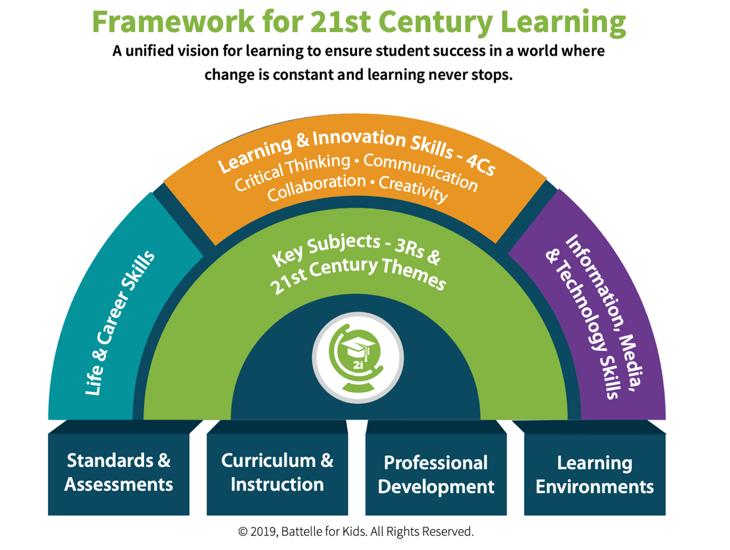
Battelle for Kids. (2019). Framework for 21st century learning. static.battelleforkids.org
Decaroli, J. (1973). What reason Say to The classroom teacher: critical thinking. Social Education, 37(1), 67–68.
Lai, E. R. (2011). Critical thinking: A literature review. Defense Acquisition University. www.dau.edu
Mulnix, J. W. (2012). Thinking about critical thinking. Inquiry: Critical Thinking Across the Disciplines, 27(3), 464–465.
Ohio Department of Education. (2015). Framework for 21st century learning: Student outcomes and support systems. ww.marietta.edu
Paul, R., & Elder, L. (2019). The miniature guide to critical thinking: Concepts and tools. Foundation for Critical Thinking.
Downloads
Published
Issue
Section
License
Copyright (c) 2026 ฝ่ายผลิตสื่อสิ่งพิมพ์และตำราวิชาการ กองส่งเสริมวิชาการและงานวิจัย สถาบันบัณฑิตพัฒนศิลป์ กระทรวงวัฒนธรรม

This work is licensed under a Creative Commons Attribution-NonCommercial-NoDerivatives 4.0 International License.
บทความที่ได้รับการตีพิมพ์เป็นลิขสิทธิ์ของ สบศ.



