
SOME PROVISIONS OF THE CONSTITUTION OF THE KINGDOM OF THAILAND B.E.2017 WHICH ARE INCONSISTENT WITH THE PARLIAMENTARY SYSTEM
Article Sidebar
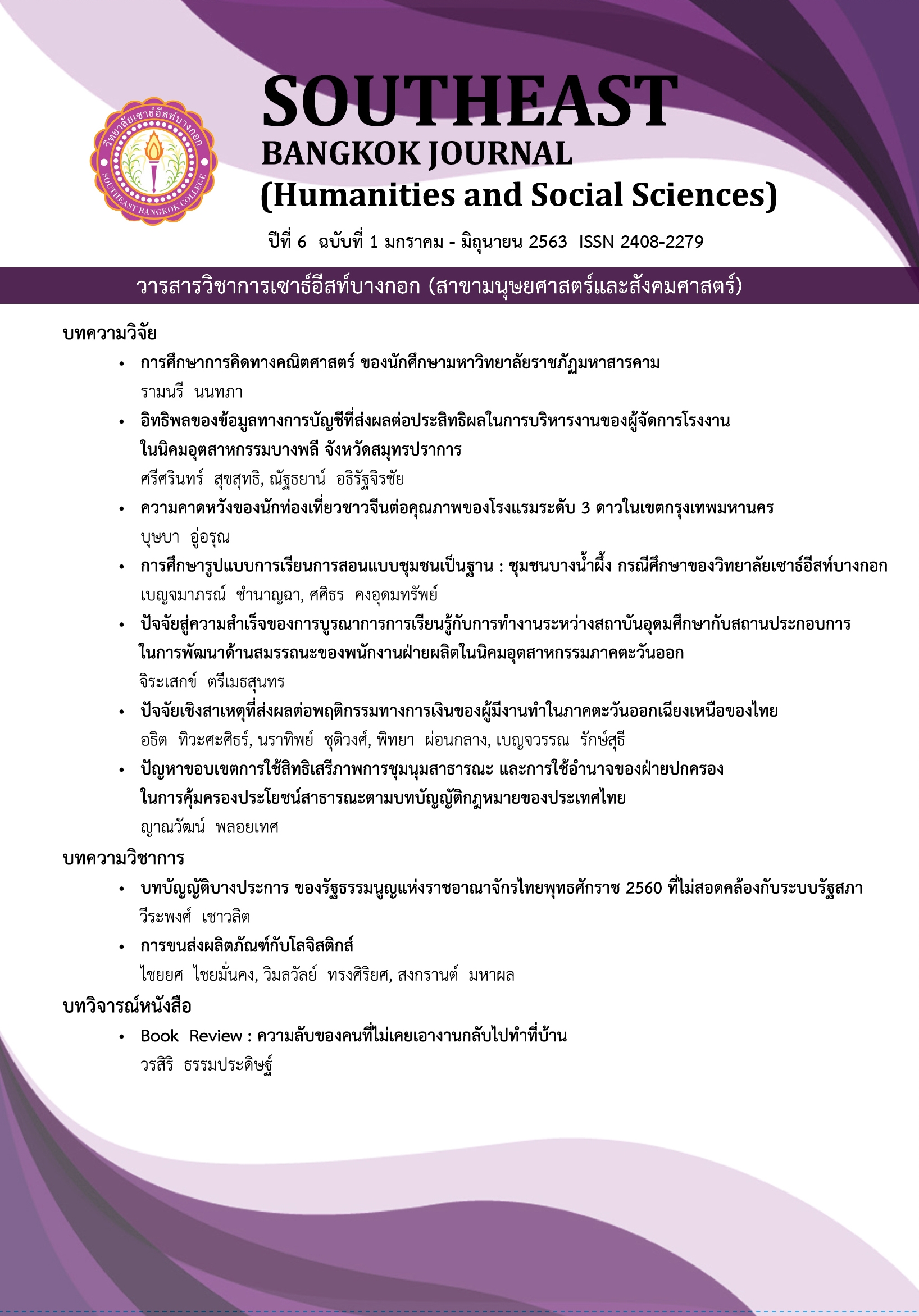
Main Article Content
Abstract
The main objective of this article was to study on certain provisions of the Constitution of the Kingdom of Thailand B.E. 2560 which are inconsistent with the parliamentary system. The study examined some issues that the author has foreseen the importance of the constitution regarded as the supreme law in governing the country. The constitution is considered as it the highest law that governing the internal law in the country, and it must be consistent with the parliamentary system, which is a form of governance with equal legislative and executive organizations. Both organizations have received sovereignty from the people which must balance the power of each other in the governing process at all times by the closed relationship of the power. However, the Constitution of the Kingdom of Thailand, B.E. 2560 has certain provisions which are not consistent with the parliamentary system. First, the provisions relating to the dissolution of the House of Representatives. Second, the provisions related to the term of Prime Minister. Third, the use of the power of senators to join the House of Representatives in selecting and voting for the prime minister. The article on some provisions of the Constitution of the Kingdom of Thailand B.E. 2560 which is not consistent with the parliamentary system therefore focuses on creating an understanding of certain provisions of the constitution that must be consistent with the principles of the parliamentary system.
Article Details
References
จุลกิจ รัตนมาศทิพย์. (2551). วิถีฎีกามหาชนเล่ม 1. กรุงเทพฯ: หลอแอนดิ้งพลับลิซชิ่ง.
ชาญชัย แสวงศักดิ์. (2560). กฎหมายรัฐธรรมนูญ แนวคิดและประสบการของต่างประเทศ. พิมพ์ครั้งที่ 6. กรุงเทพฯ: วิญญูชน.
โชคสุข กรกิตติชัย. (2560). นายกรัฐมนตรีตามรัฐธรรมนูญแห่งราชอาณาจักรไทย พ.ศ. 2560. สำนักวิชาการ สำนักงานเลขาธิการสภาผู้แทนราษฎร.
ฐากูร ศิริยุทธ์วัฒนา. (2561). หลักพื้นฐานแห่งกฎหมายรัฐธรรมนูญและระบอบประชาธิปไตย. วิญญูชน.
บรรเจิด สิงคะเนติ. (2558). หลักพื้นฐานเกี่ยวกับสิทธิเสรีภาพและศักดิ์ศรีความเป็นมนุษย์. วิญญูชน.
บวรศักดิ์ อุวรรณโณ. (2545). กฎหมายมหาชน : วิวัฒนาการทางปรัชญาและลักษณะของกฎหมายมหาชนยุคต่างๆ. พิมพ์ครั้งที่ 5. กรุงเทพ: วิญญูชน.
บุศรา เข็มทอง. (2558). แนวคิดและทฤษฎีพื้นฐานในรัฐธรรมนูญ. สำนักงานเลขาธิการสภาผู้แทนราษฎร.
ปณิธัศร์ ปทุมวัฒน์. (2558). สภาที่สอง ในระบบรัฐสภา หน้าต่างโลก : The Knowledge Windows . สืบค้น 10 สิงหาคม 2562 จาก http://web.senate.go.th/lawdatacenter/includes/FCKeditor/upload/ Image/b/win43.pdf
พัฒนะ เรือนใจดี และมารุพงศ์ มาสิงห์. (2561). “ข้อสังเกตบางประการเกี่ยวกับรัฐธรรมนูญแห่งราชอาณาจักรไทย พุทธศักราช 2560”. วารสารนิติศาสตร์และสังคมท้องถิ่น ปีที่ 2 ฉบับที่ 1 มกราคม-มิถุนายน 2561.
ภูมิ มูลศิลป์. (2559). “แนวคิดเกี่ยวกับที่มาของสมาชิกวุฒิสภาไทยในรอบทศวรรษ”. วารสารนิติศาสตร์ มหาวิทยาลัยอัสสัมชัญ ปีที่ 7 ฉบับที่ 1 มกราคม-มิถุนายน 2559. P28-30.
มานิตย์ จุ่มปา. (2559). หลักกฎหมายรัฐธรรมนูญ. นิติธรรม.
ศิริรัตน์ อยู่ฉัตร. การได้มาซึ่งสมาชิกวุฒิสภากับการเปลี่ยนแปลตามรัฐธรรมนูญแห่งราชอาณาจักรไทย. เอกสารวิชาการหรือกฎหมายที่เกี่ยวข้อง สำนักงานเลขาธิการสภาผู้แทนราษฎร หน้า 4,5
สุรพันธ์ ทับสุวรรณ์ และปณณดา อิงคุลานนท์. (2560). หลักรัฐธรรมนูญและสถาบันการเมือง. มหาวิทยาลัยรามคำแหง.
อภิวัฒน์ สุดสาว. (2554). การยุบสภาผู้แทนราษฎร:ดุลยภาพแห่งอำนาจระหว่างฝ่ายบริหารกับฝ่ายนินิบัญญัติ. สืบค้น 1 กันยายน 2562 จาก http://web.senate.go.th/lawdatacenter/includes/FCKeditor/upload/Image/b/think/think18.pdf
