
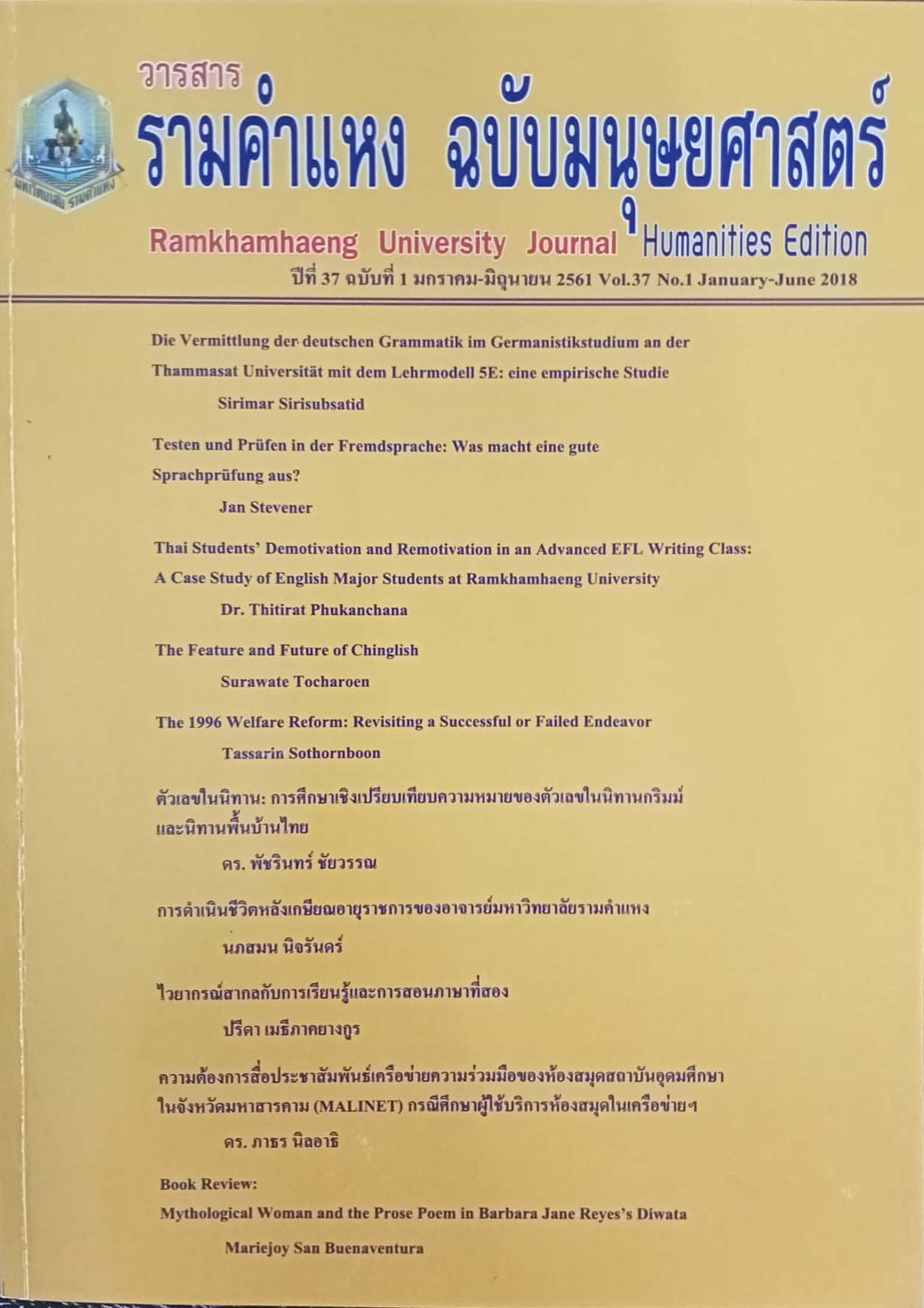
The 1996 Welfare Reform: Revisiting a Successful or Failed Endeavor
Article Sidebar
Main Article Content
บทคัดย่อ
บทคัดย่อ
การปฏิรูปสวัสดิการสังคมของประเทศสหรัฐอเมริกาในปี 1996 นับเป็นการยุติระหว่าง การต่อสู้ของอุดมการณ์ทางการเมืองสองฝ่าย คือ ฝ่ายอนุรักษ์นิยม และฝ่ายเสรีนิยม หลังจากนั้น ไม่นาน กลุ่มผู้สนับสนุนการปฏิรูปสวัสดิการสังคม ก็ได้ประกาศถึงความสำเร็จของนโยบาย เนื่องในโอกาสที่ครบ 20 ปีของการปฏิรูปสวัสดิการสังคม บทความฉบับนี้จึงนำการปฏิรูปสวัสดิการสังคมในครั้งนั้น กลับมาพิจารณา ตรวจสอบผลการดำเนินงาน และประเมินประสิทธิผล โดยนำข้อมูลต่างๆ รวมทั้งงานวิจัยที่เกี่ยวข้องมาสำรวจและทบทวนใหม่ ทั้งนี้บทความครอบคลุมถึงความเป็นมาเกี่ยวกับนโยบายสวัสดิการสังคมของประเทศสหรัฐอเมริกาในประเด็นที่เกี่ยวกับความยากจน จนถึงการประกาศใช้ Temporary Assistance for Needy Families (TANF) ในปี 1996 แต่กลับพบว่า ผลการดำเนินงานของการปฏิรูปสวัสดิการสังคม หรือ TANF ไม่สามารถบรรลุวัตถุประสงค์หลักสามประการ อันได้แก่ (1) การลดการพึ่งพาสวัสดิการสังคมของกลุ่มครอบครัวที่ยากจน (2) การลดการตั้งครรภ์นอกสมรส และ (3) การสนับสนุนการสร้างครอบครัวที่พร้อมด้วยบิดาและมารดา แม้ว่าการปฏิรูปจะสามารถลดจำนวนคนที่ต้องพึ่งพาสวัสดิการ แต่ทั้งนี้ความขัดสนของครอบครัวที่ยากจนและตกอยู่ในความทุกข์ยากยังคงไม่ได้รับการบรรเทา ยิ่งไปกว่านั้นประสิทธิผลของการปฏิรูปสวัสดิการสังคมในการลดการตั้งครรภ์ นอกสมรสและการสนับสนุนการสร้างครอบครัวที่ประกอบด้วยบิดาและมารดานั้น ก็ยังไม่เป็นที่ประจักษ์ชัด ท้ายที่สุด บทความได้เสนอแนะประเด็น รวมทั้งข้อพิจารณาสำหรับการศึกษาต่อไป
Article Details

อนุญาตภายใต้เงื่อนไข Creative Commons Attribution-NonCommercial-NoDerivatives 4.0 International License.
ประกาศลิขสิทธิ์จะปรากฏในเกี่ยวกับวารสาร ควรอธิบายสำหรับผู้อ่านและผู้เขียนว่าเจ้าของลิขสิทธิ์เป็นผู้เขียนวารสารหรือบุคคลที่สาม ควรรวมถึงข้อตกลงการอนุญาตเพิ่มเติม (เช่นใบอนุญาตครีเอทีฟคอมมอนส์) ที่ให้สิทธิ์แก่ผู้อ่าน (ดูตัวอย่าง) และควรให้วิธีการรักษาความปลอดภัยหากจำเป็นสำหรับการใช้เนื้อหาของวารสาร
