
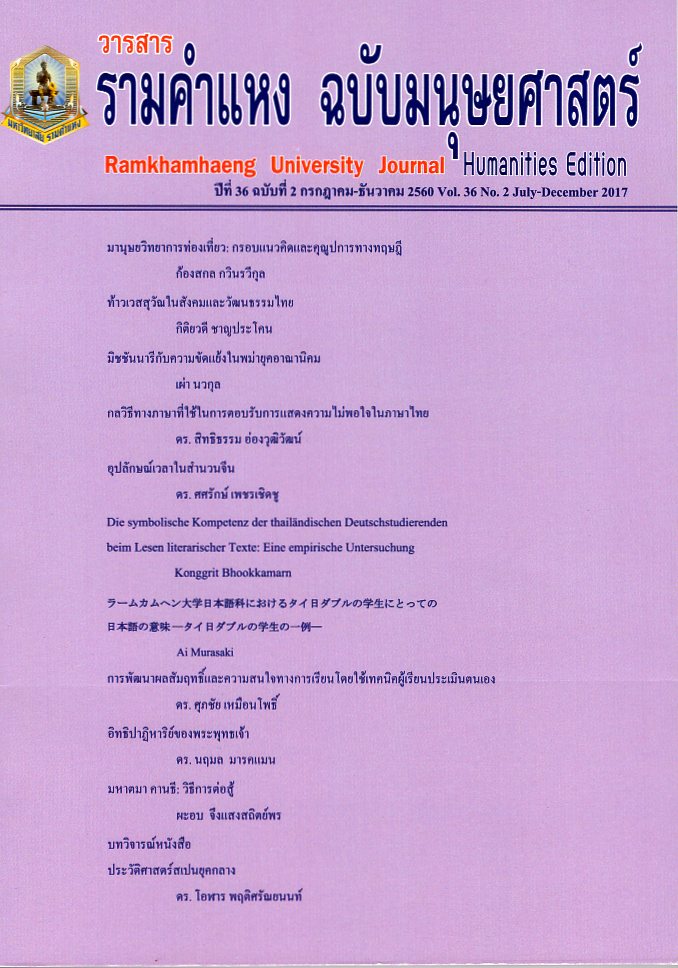
มานุษยวิทยาการท่องเที่ยว: กรอบแนวคิดและคุณูปการทางทฤษฎี Anthropology of tourism: A theoretical framework and its contributions
Article Sidebar
Main Article Content
Abstract
บทคัดย่อ
บทความนี้อภิปรายแนวทางการศึกษาสำคัญทางมานุษยวิทยาที่ใช้ในการวิพากษ์ปรากฏการณ์ การท่องเที่ยว ได้แก่ (1) หน้าที่ของการท่องเที่ยวเชิงความเชื่อและพิธีกรรม (2) การท่องเที่ยวในฐานะจักรวรรดินิยม (3) การท่องเที่ยวและการนำเสนอภาพตัวแทนทางวัฒนธรรม และ (4) การท่องเที่ยว เชิงนิเวศ ครอบคลุมในประเด็น พื้นที่ อัตลักษณ์ ปฏิสัมพันธ์ และความสัมพันธ์เชิงอำนาจระหว่างเจ้าบ้านและแขกผู้มาเยือน ฯลฯ เนื่องจากนำเสนอผ่านมุมมองเชิงทฤษฎีที่แตกต่างกัน การให้ความสำคัญต่อประเด็นเหล่านี้ของแต่ละแนวทางการศึกษา จึงแตกต่างหลากหลาย แนวทางการศึกษาแรก ให้ความสำคัญกับประสบการณ์ภายในของนักท่องเที่ยวแต่ละคนที่ได้รับการฟื้นคืนชีวิตโดยพร้อมเพรียงกัน ในขณะที่ แนวทางการศึกษาที่สอง สาม และสุดท้ายเน้นความสัมพันธ์ระหว่างเจ้าบ้านและแขกผู้มาเยือน ในประเด็นความสัมพันธ์เชิงอำนาจที่เหลื่อมล้ำ การช่วงชิงความหมายและการต่อรองทางวัฒนธรรม และปฏิสัมพันธ์ซึ่งกันและกันในบริบททางสังคม ตามลำดับ อย่างไรก็ตาม ผลกระทบของการท่องเที่ยวต่อนักท่องเที่ยว ซึ่งเป็นประเด็นหัวใจสำคัญที่แทบไม่ถูกถกเถียงโดยนักวิชาการในแวดวงมานุษยวิทยา ยังคงเป็นปริศนาที่ท้าทายการศึกษาในอนาคต
Abstract
This paper discusses seminal anthropological approaches to criticism of tourism phenomena –namely: (1) belief and ritual functions of tourism, (2) tourism as imperialism, (3) tourism and cultural representation, and (4) ecotourism which revolve around space, identity, interaction, and power relations between hosts and guests etc. Through multifocal theoretical lenses, each approach’s concentration on these themes is widely varied. The first emphasizes inner experiences of individual traveller revitalized en masse while, respectively, between hosts and guests, the second, the third and the final bring into focus inequitable power relations, cultural negotiation and contestation, and reciprocal interaction in social context. Nevertheless, the impact of tourism on tourists, a crucial theme left virtually unexplored by most scholars in anthropological academia, is still enigmatic but challenging for future study.
Article Details

This work is licensed under a Creative Commons Attribution-NonCommercial-NoDerivatives 4.0 International License.
The Copyright Notice will appear in About the Journal. It should describe for readers and authors whether the copyright holder is the author, journal, or a third party. It should include additional licensing agreements (e.g. Creative Commons licenses) that grant rights to readers (see examples), and it should provide the means for securing permissions, if necessary, for the use of the journal's content.
